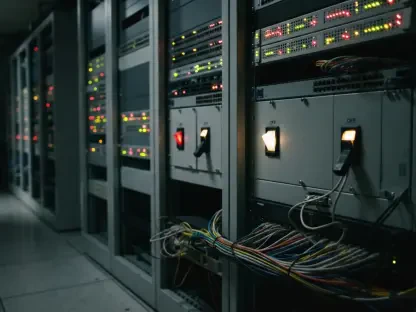

The convergence of artificial intelligence and the Internet of Things has transitioned from a theoretical possibility to a critical operational requirement for enterprises looking to maintain a competitive edge in the modern industrial landscape. As global markets become increasingly volatile, the alliance between PLDT Enterprise and Xeleqt represents a significant pivot toward data-driven decision-making. By combining vast telecommunications infrastructure with specialized intelligence, businesses are now positioned to harness insights that were previously locked within silos. This strategic collaboration addresses the urgent need for scalable digital tools that adapt to the unique pressures of the regional economy. The integration of high-speed connectivity with sophisticated sensing technology ensures that organizations can monitor assets with unprecedented precision, paving the way for a new era of industrial maturity and digital resilience in the face of rapid technological change.
Infrastructure Integration: Synergizing Connectivity and Intelligence
Technical Framework: Enhancing Operations through Smart Connectivity
Building on this foundation, the technical architecture of the partnership centers on the deployment of widespread 5G and fiber-optic networks that serve as the nervous system for AI-enabled devices. Xeleqt contributes the specialized software layer, utilizing machine learning algorithms to process the massive influx of information generated by IoT sensors across various touchpoints. From tracking the temperature of goods in transit to monitoring the structural integrity of heavy machinery in real-time, the synergy between hardware and software creates a feedback loop that minimizes waste and maximizes throughput. This approach allows enterprises to move beyond simple connectivity and into the realm of prescriptive analytics, where the system not only identifies problems but also suggests solutions before failures occur. Consequently, the barriers to entry for advanced automation are lowered, providing companies the chance to utilize enterprise-grade tools to improve their long-term sustainability.
Economic Resilience: Scaling Digital Solutions for the Regional Market
The broader economic impact of this partnership manifests in its ability to democratize high-end technology for industries that have traditionally struggled with high implementation costs. By providing bundled solutions that include both the necessary bandwidth and analytical software, PLDT Enterprise and Xeleqt are effectively reducing the capital expenditure required for digital transformation projects. This shift is particularly relevant for the manufacturing and retail sectors, where thin margins necessitate the highest possible levels of operational efficiency. Implementation strategies focused on predictive maintenance and automated inventory management allow these businesses to redeploy human capital toward more strategic tasks while the AI-IoT ecosystem handles routine monitoring. As these systems become more prevalent from 2026 to 2028, the resulting data will provide regional planners with the granular insights needed to drive growth and foster a more robust digital economy.
Sector Transformation: Driving Industrial Automation and Efficiency
Operational Safety: Redefining Logistics and Workforce Management
In the logistics sector, the collaboration has already begun to redefine how goods move across complex supply chains through the use of smart fleet management systems. These platforms utilize GPS and onboard diagnostics to provide managers with a comprehensive view of their operations, including driver behavior, fuel consumption, and optimized routing. By integrating AI into these telematics systems, fleets can reduce their carbon footprint and operating costs simultaneously, directly addressing the growing demand for sustainable business practices. Furthermore, the construction industry stands to benefit from enhanced safety protocols enabled by wearable IoT devices that monitor the health of workers in hazardous environments. These devices communicate with central hubs via the PLDT network, ensuring that help is dispatched immediately if an anomaly is detected. The capability to merge personnel safety with asset tracking creates a holistic environment that reduces liability and enhances productivity.
Strategic Outcomes: Establishing a Roadmap for Sustainable Growth
Organizations that adopted these integrated AI-IoT solutions positioned themselves as leaders in a marketplace that demanded agility and foresight. The move toward a fully connected enterprise ecosystem required a fundamental shift in corporate culture, where data literacy became as important as technical proficiency. Successful implementations demonstrated that the value of the partnership lay not just in the hardware, but in the actionable intelligence derived from consistent monitoring. Leaders who prioritized the integration of these technologies managed to streamline their operations while significantly reducing overhead costs. Looking ahead, the focus remained on refining the security protocols surrounding IoT data and ensuring that AI models evolved alongside changing market conditions. This proactive stance allowed businesses to remain resilient against unforeseen disruptions and solidified the role of intelligent connectivity. The partnership ultimately established a blueprint for how innovation could create value.