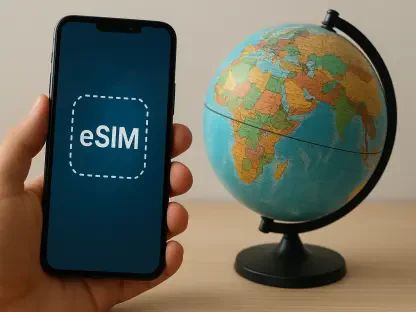

The rapid evolution of cellular technology has reached a pivotal milestone with the introduction of multi-operator eSIM solutions that are currently redefining how enterprises manage their global IoT footprints across the Asia-Pacific region. For years, the dream of a truly borderless digital economy was hampered by the physical limitations of SIM hardware and the logistical nightmare of managing separate carrier contracts for every country. Today, the collaboration between Bridge Alliance and Thales has dismantled these barriers, providing a unified framework that allows companies to deploy and manage thousands of devices with unprecedented ease. By integrating the latest GSMA SGP.32 specifications, this initiative enables a seamless plug-and-play experience for industrial assets, connected vehicles, and smart city infrastructure. This shift is not merely a technical upgrade; it is a strategic transformation that empowers businesses to scale their operations across diverse markets without the traditional overhead of localized telecommunications management.
The Technological Core: Standardizing Regional Connectivity
Driving Innovation Through SGP.32 and Orchestration
At the absolute center of this technological shift lies the Thales orchestration platform, which serves as the digital brain for managing complex, multi-country IoT deployments without human intervention. This platform utilizes the SGP.32 standard to facilitate the remote provisioning of credentials, allowing devices to download local network profiles on demand as they move across different geographic territories. By acting as a central mediator, the orchestration layer simplifies the technical handshakes required between hardware and a multitude of mobile network operators. This means that a device manufactured in one country can be shipped anywhere in the Asia-Pacific region and immediately connect to the strongest local network upon activation. Administrators benefit from a single-pane-of-glass management interface, which provides real-time visibility into the status and connectivity of every asset in the fleet. This centralized control reduces the risk of configuration errors and ensures that all devices remain compliant with local regulations and security protocols.
One of the most critical advantages of the new multi-operator framework is its ability to provide automated network resilience for mission-critical applications that cannot afford even a few seconds of downtime. The system is designed with intelligent fallback mechanisms that constantly monitor the health of the primary connection and can trigger an instantaneous switch to a secondary carrier if performance drops. This level of autonomous recovery is essential for maintaining constant data flows in volatile environments where signal strength may fluctuate due to atmospheric conditions or physical obstructions. In the past, such a failure would have required a manual reset or a costly site visit by a technician, but today the eSIM handles the entire process behind the scenes. This ensures that vital information from medical monitors, security systems, and industrial sensors reaches its destination without interruption. By embedding this layer of reliability into the digital core of the device, enterprises can deploy their technology in remote or harsh locations with total confidence in its connectivity.
Ensuring Continuity With Automated Network Resilience
The automation of network resilience also plays a critical role during cross-border transitions, where devices frequently encounter different carrier signals and regulatory requirements. As a connected asset moves from one jurisdiction to another, the eSIM system can automatically recognize the change in location and swap to a pre-approved local profile that ensures compliance and cost-efficiency without any service interruption. This seamless handoff is essential for maintaining the continuity of services that span multiple countries, such as international logistics or regional transportation networks. Without the need for manual intervention, the risk of data loss or connection timeouts is virtually eliminated, providing a robust foundation for services that require constant availability. The intelligence built into the Thales orchestration platform ensures that these transitions are handled with precision, selecting the optimal network based on predefined criteria such as signal strength, cost, and latency, thereby optimizing the performance of the entire regional network.
Beyond simple connectivity, the orchestration of these digital profiles allows for unprecedented agility in how hardware reacts to changing operational requirements or shifting geographic locations. In the past, switching a device from one carrier to another required either a physical visit to the site or an incredibly complex software overhaul that carried significant risks of bricking the device. Now, the digital nature of the eSIM environment means that updates are pushed through the air with minimal latency and high success rates across diverse hardware architectures. This technological leap ensures that large-scale deployments remain flexible, allowing businesses to adapt their connectivity strategies as they enter new markets or as local network conditions evolve. The ability to manage the entire lifecycle of a SIM profile from initial activation to eventual decommissioning within a centralized system reduces the burden on IT departments and allows technical teams to focus on data analysis and service improvement.
Breaking Down Barriers: Scaling Across Diverse Markets
Streamlining Operations and Reducing Costs
The logistical burden of managing physical SIM cards has historically been one of the greatest expenses for enterprises looking to expand their IoT operations across the diverse markets of Asia-Pacific. With the new eSIM ecosystem, the need for technicians to physically access equipment to swap SIM cards has been entirely eliminated, resulting in massive savings in both time and labor costs. Companies no longer have to worry about the complexities of international shipping, customs, and the local storage of physical hardware for every market they enter. Instead, the entire lifecycle of a device’s connectivity is managed through a purely digital workflow. This streamlined approach allows businesses to reallocate their resources toward developing new products and services rather than managing the minutiae of telecommunications logistics. The ability to push updates and change profiles over the air means that the total cost of ownership for a large-scale IoT deployment is significantly lower than it was under the old hardware-centric model.
In addition to physical logistics, the administrative burden of managing multiple carrier relationships across different countries has historically been a major drain on corporate resources. Every new country typically meant a new contract, a new billing system, and a new set of technical APIs to integrate into the company’s backend infrastructure. The collaborative effort led by Bridge Alliance streamlines this by offering a unified framework where the complexities of inter-carrier agreements are handled behind the scenes. This allows an enterprise to oversee its entire fleet through a single administrative portal, regardless of where the individual assets are physically located. The resulting reduction in bureaucratic friction enables businesses to manage their global connectivity with the same ease as they manage their local networks. By centralizing billing, support, and technical management, companies can reallocate their human capital toward innovation and product development rather than being bogged down by the complexities of regional telecommunications management.
Driving Economic Growth Through Regional Collaboration
The establishment of a common eSIM framework is widely recognized as a primary catalyst for economic growth and international expansion within the Asia-Pacific region. By fostering a high level of cooperation between major telecommunications players like Singtel and Optus, the alliance creates a predictable environment that encourages businesses to invest in cross-border projects. This collaborative approach provides enterprises with the confidence that their digital infrastructure will remain robust and supported as they scale their operations beyond their home markets. When the underlying connectivity is guaranteed and standardized, the risk profile of entering a new regional market is significantly lowered. This encourages a more dynamic business environment where companies are willing to deploy smart infrastructure and connected assets on a much larger scale than previously possible. As more businesses take advantage of this unified ecosystem, the increased demand for IoT services further fuels technological advancements and infrastructure investment across the participating nations.
Industrial IoT applications also stood to gain significantly from the centralized control offered by the multi-operator eSIM framework, particularly when it came to managing routers and gateways across diverse manufacturing and logistics sites. Companies involved in global supply chains utilized real-time visibility over their assets as they moved through various regional markets, and a unified connectivity layer provided the necessary transparency to track goods with precision. This capability allowed logistics firms to optimize their routes and reduce delays by ensuring that tracking devices remained active throughout the entire journey. By removing the complexity of managing multiple regional contracts, industrial operators focused their efforts on improving operational efficiency and reducing waste within their production lines. Moving forward, stakeholders prioritized the integration of these systems into their broader digital transformation strategies to ensure long-term competitiveness and to foster a more resilient and interconnected regional economic landscape.