
Listen to the Article
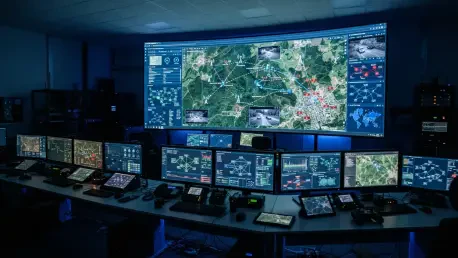
The DiBaX26 initiative in Latvia serves as a sophisticated testing ground for merging civilian 5G connectivity and AI into a cohesive defense framework. As military operations increasingly rely on massive data throughput, the boundaries between commercial and defense communications are rapidly dissolving.
The experiments aim to solidify a Digital Backbone, a unified architectural framework for secure, seamless, and interoperable communications across the Alliance’s diverse forces. The 2026 edition is the largest yet. Latvia’s Ministry of Defense reports that it brings together twice as many partners as last year, after more than 30 partners gathered in Riga for a May planning session.
By building on established telecommunications infrastructure, NATO is changing how it transmits and processes critical data in high-stakes environments. Flexible, software-defined networks are replacing isolated proprietary systems. Together, 5G and AI fundamentally restructure modern situational awareness and command-and-control logic.
Start reading to explore how modern defense networks are evolving through:
- Commercial 5G networks that support secure, flexible military communications;
- Satellite links, aerial systems, and AI-powered sensing that improve situational awareness;
- Shared standards that strengthen interoperability across allied forces;
- Cybersecurity, privacy, and cost controls for dual-use infrastructure.
Evolution of Digital Defense Architecture
The rapid innovation cycles of the commercial telecommunications sector outpace the development speed traditional defense procurement struggles to match. In its 2026 weapon systems assessment, the US Government Accountability Office found that the average time for the Pentagon’s costliest programs to deliver a capability has climbed to over 12 years.
By partnering with mobile operators like LMT, NATO is exploring how 5G network slicing can create virtual, logically isolated segments within shared physical networks. It can then set up dedicated, high-security channels for military command functions immediately, without building physical infrastructure from the ground up.
That capability is vital for rapid-deployment scenarios where time is short, and the environment lacks established military assets. The approach also eases the logistical burden of maintaining proprietary equipment by drawing on the ubiquity of civilian towers and hardware. As these domains converge, the latest connectivity advances reach tactical applications faster, shortening the path from development to deployment.
Integrating Satellite and Aerial Links
Integrating non-terrestrial networks, including satellite constellations and uncrewed airborne systems, keeps connectivity persistent even in the most challenging environments. This multi-layered approach addresses the vulnerabilities of ground-based towers, particularly in regions where electronic warfare or physical sabotage may disrupt standard communications. The threat is concrete in the Baltic region. Pilots in Lithuania reported GPS jamming on 1,022 occasions in June 2025, up from 46 in the same month a year earlier, according to air traffic control data reported by Euronews.
By testing devices that switch automatically between networks when a signal degrades, NATO is laying the groundwork for unprecedented communication resilience. A constant stream of data from diverse sources gives commanders a more comprehensive picture of the operational environment. The architecture improves reliability and scales for forces operating in widely separated locations. As satellite technology evolves, low-earth orbit constellations will further reduce latency and extend real-time data transmission, once limited to specialized platforms, to a much wider range of users.
Passive Sensing: Converting 5G Infrastructure into Radar
One of the most innovative aspects of current experimentation involves cellular-based sensing, which uses existing 5G infrastructure to detect objects. By analyzing how physical objects reflect and disturb radio signals within a cellular network, military analysts can gain situational awareness without deploying additional radar equipment. A standard commercial network can effectively double as a sensor array that detects movement and presence across large areas. Standards work is already formalizing the capability. In Release 20, 3GPP evaluated how well 5G base stations can detect and track drones, and about 300 MHz of sensing bandwidth can resolve an object’s range to roughly 0.5 meters.
To make sense of the massive influx of sensor data, NATO is employing advanced AI for real-time analysis. AI systems can combine civilian infrastructure data with dedicated military sensor data into a unified operational picture. This lightens the cognitive load on human operators and frees them to focus on high-level decision-making. The method offers a highly cost-effective way to expand surveillance across vast territories.
Interoperability Standards: Unified Protocols for the Alliance
International technical standards are vital for forces from different nations to operate effectively in a shared digital environment. Findings from recent testbeds feed directly into protocols that set requirements for defense cellular communications. In February 2026, NATO promulgated STANAG 5665, Cellular Communications for Defense. The standard went from conception to approval in two years, a record for NATO standardization. The 2025 edition of DiBaX helped develop it. Standards like this ensure that when diverse military units deploy together, their devices, data formats, and security protocols are compatible and secure.
That interoperability is essential for a cohesive command structure and keeps information from becoming trapped in pockets that could jeopardize mission objectives. Ongoing research is still needed to address emerging challenges in network slicing and satellite integration. A shared set of standards also encourages innovation among private sector partners, who can build products that meet clearly defined military requirements and support long-term Alliance goals.
Security Challenges: Protecting Dual-Use Digital Networks
The advantages of civilian infrastructure are clear, and dual-use technology also brings complex challenges around network access and cybersecurity. Relying on commercial networks requires intricate legal and operational arrangements for service priority and data protection. Keeping military data secure as it traverses civilian-owned hardware raises serious questions. The risk is real. In August 2025, the FBI said the China-linked Salt Typhoon hacking group targeted about 80 nations in a multi-year campaign that breached major telecom carriers and included military infrastructure networks.
To address these concerns, NATO is developing robust encryption methods and zero-trust architectures that protect information regardless of the underlying transport layer. Even if part of the civilian network is compromised, military communications remain secure. Managing these hybrid networks is technically complex and requires specialized training so personnel can troubleshoot and secure systems in the field. Weighing the openness of commercial technology against the strict security needs of defense remains a constant priority.
Ethical Implications: Privacy in a Militarized Connectivity Era
The ethical questions around using civilian infrastructure for military sensing cannot be overlooked, particularly the privacy of non-combatants. Sensing technologies that detect movement through radio signal reflections may inadvertently collect information about nearby civilian populations. Standards bodies already treat this as a core concern. ETSI’s March 2026 report on 6G sensing identifies 19 key issues, 15 of them tied to security and privacy. Those issues include consent and transparency when networks sense people, whether or not they carry a connected device.
Clear policy frameworks are needed to define the boundaries of data collection and set safeguards against misuse of personal information. Transparent communication about these technologies’ intent and scope is essential to maintaining public trust and complying with international legal standards. NATO must work closely with legal experts and human rights organizations to develop guidelines that protect individual privacy without compromising operational security. As these systems spread, digital surveillance is more likely to affect civilian life, making ethical oversight a priority for military leadership.
Strategic Innovation: Financial and Operational Sustainability
Commercial 5G infrastructure carries major financial implications and offers a more sustainable path for long-term technological modernization. Developing and maintaining proprietary military-grade communication networks is prohibitively expensive, and such systems are often outdated by the time they reach full operational capacity. The budget stakes are rising. At the 2025 Hague Summit, Allies committed to investing 5% of GDP annually by 2035, with at least 3.5% for core defense and up to 1.5% for areas that include protecting critical infrastructure, defending networks, and supporting innovation.
By leveraging existing civilian assets, the Alliance can redirect resources to high-value research and development in areas such as AI and electronic warfare. The model also speeds up hardware updates, since commercial providers frequently upgrade their networks to meet consumer demand. Private sector partners benefit too, through a robust marketplace for defense-related telecommunications products. This relationship between the defense sector and commercial industry encourages continuous innovation that benefits both parties and eases overall budgetary strain.
Strengthening the Digital Foundation
The experimental phases demonstrated that integrating 5G and AI was essential to improving operational agility. Moving forward, the strategic focus emphasized scaling these capabilities while refining the governance of dual-use digital assets. Decision-makers prioritized investments in interoperable standards and robust cybersecurity to ensure these technologies remained a reliable advantage.
This transition shaped the Alliance’s resilience in a data-centric landscape. Establishing transparent frameworks for ethical AI usage remained crucial for sustaining public support. By addressing these factors, military leaders ensured a secure, innovative digital battlefield. These shifts required deep cooperation between national governments and private infrastructure providers throughout the process. Tactical transformations required sustained collaboration between government agencies and private telecommunications providers to maintain technological superiority.