
The Shifting Focus: From Algorithms to Physical Architecture
The global fascination with generative intelligence has reached a critical inflection point where the sheer brilliance of digital algorithms is finally being outpaced by the physical limitations of the hardware required to run them. For several years, the narrative surrounding artificial intelligence concentrated almost exclusively on the software layer, celebrating the evolution of large language models and predictive neural networks. However, a massive transformation is currently unfolding as the industry pivots toward the physical “plumbing” that sustains these digital wonders. The true value of an AI application is no longer found solely in its code but is increasingly defined by the data centers, fiber optics, and power grids that facilitate its operation.
The following analysis explores the emerging reality where infrastructure has evolved from a basic utility into the primary architect of the AI era. The telecommunications sector finds itself at the center of this “infrastructure imperative,” moving away from standard network maintenance toward an aggressive race for specialized capacity. By analyzing the current investment cycles and the rising demand for hardware, it becomes clear that the physical constraints of the world are now the most significant factors influencing digital innovation and enterprise scalability.
Foundations of the Connectivity Stack: A Historical Shift
Understanding the present urgency requires an examination of how the telecommunications landscape has evolved over the recent decade. Traditionally, providers prioritized incremental upgrades to existing networks, focusing on stability for voice traffic and standard data packets. This model operated on the assumption that connectivity was an invisible background player, a commodity that could be scaled up gradually as demand rose. The sudden arrival of massive AI workloads, however, shattered this complacent approach by requiring synchronized data flows at scales previously unimaginable.
These background shifts have set the stage for a fundamental transition from “network as a service” to “network as the product.” In previous eras, the physical specifics of a network were often secondary to the software it supported. Today, the location of a subsea cable, the efficiency of a power busway, and the directness of a fiber route have become the most critical metrics for success. This context highlights that the industry is no longer merely expanding the internet; a specialized, high-performance engine designed for the specific rigors of global intelligence is being constructed.
The Industrial Renaissance: Data Centers and Connectivity
The Physical Hardware Boom: The Rise of Capacity
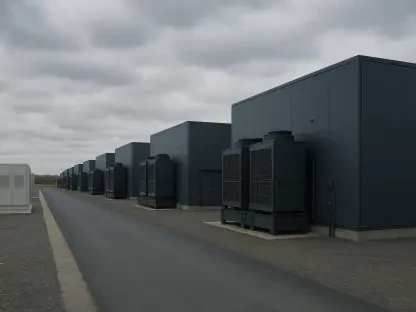
The most immediate evidence of this shift is the explosive growth in the physical components that power data centers. The market is currently witnessing an industrial boom in the “nuts-and-bolts” hardware required to keep modern facilities operational. The market for physical infrastructure reached $12 billion in the first quarter of the current year, marking a 28% increase that reflects the growing demand for foundational components. For instance, the busway market, which covers the distribution of power within high-density facilities, is projected to grow at a 15% compound annual growth rate toward 2032.
Beyond the facility walls, the backbone of the internet is undergoing a complete re-engineering to prevent bottlenecks. High-capacity providers are upgrading to 400G coherent pluggable infrastructure to manage traffic across transcontinental distances, while others are developing more direct fiber paths through challenging geographic obstacles like the Alps to connect major hubs like Paris and Milan. These projects demonstrate that raw speed is only a fraction of the solution; massive capacity expansion and route diversity have become the new prerequisites for securing AI workloads against systemic failure.
Bridging the Latency Gap: Modern Network Challenges
While capacity is reaching new heights, the issue of latency remains a formidable hurdle for the next generation of intelligence. Existing networks are generally efficient at handling the 50ms latency required for basic text-based or voice-based AI. However, the move toward high-end AI, particularly multimodal vision and augmented reality, demands response times of less than 10ms. Data suggests that current 5G networks still struggle to meet these stringent requirements consistently on a global scale.
This performance gap has created a strategic divide within the industry. While some providers are committed to total fiber overhauls, cable operators are increasingly utilizing low-latency DOCSIS platforms to offer fiber-like performance at a significantly lower capital expenditure. This tension underscores a major challenge: the cost of complete infrastructure replacement is often prohibitive, forcing companies to develop creative, hybrid connectivity solutions to satisfy the real-time demands of AI processing without overextending their financial resources.
Resilience and Specialized Nodes: The Network Edge
The final layer of this evolution involves the expansion of the network edge, where connectivity meets the physical environment. This is most visible in the rise of software-defined vehicles, which are effectively mobile data centers requiring constant, high-bandwidth connections for navigation and real-time streaming. The Internet of Things has moved beyond simple sensors to become an orchestrated system where global connectivity must be seamless and adaptable to changing environments.
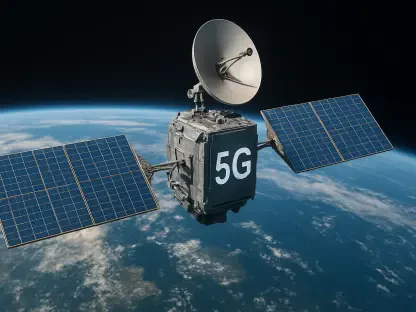
In high-stakes sectors like defense and public safety, network resilience has become a critical priority. Specialized deployable 5G solutions, such as backpack-sized networks, are being developed to ensure that AI-driven decision-making can function even in remote or hostile locations. This focus on the edge illustrates a vital point: the utility of AI is strictly limited by the network’s ability to remain operational under pressure. As connectivity becomes more decentralized, the focus shifts toward ensuring that localized nodes can process data without relying on a distant, vulnerable core.
Emerging Horizons: Orchestration and Technological Shifts
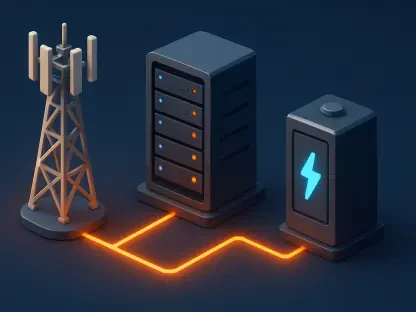
Looking toward the immediate future, the integration between hardware and software is expected to tighten further. Hyperscalers are already beginning the transition to 800G optics as traditional hardware upgrades fail to keep pace with the exponential growth of AI demand. The industry is moving toward a network fabric model, where power, compute, and connectivity are treated as a single, coordinated system. This holistic approach aims to eliminate the silos that have traditionally separated the electrical supply from the digital data path.
Orchestration will also become a dominant theme in the IoT sector. New standards for eSIMs are allowing devices to switch between operator profiles with unprecedented ease, making global connectivity more fluid and less dependent on single-provider contracts. Furthermore, as the massive power requirements of AI infrastructure become a central economic concern, there will be a significant shift toward climate resilience and energy efficiency. Regulatory frameworks are likely to adapt, prioritizing the sustainability of the physical grid as it expands to accommodate the next wave of digital growth.
Strategic Recommendations: Navigating an Infrastructure-First Era
For organizations attempting to thrive in this environment, the primary lesson is that connectivity can no longer be treated as a secondary concern. Infrastructure must be a foundational element of any AI strategy, rather than an afterthought. Businesses should prioritize latency-first engineering, ensuring that their applications are optimized for the speed of the data’s round trip rather than just the raw processing power of the model itself.
Furthermore, enterprises should adopt a strategy of strategic physicality. This involves investing in or partnering with providers that offer genuine route diversity and resilient edge computing nodes. By moving away from the view of the network as an invisible utility and recognizing it as a core component of the product, organizations can insulate themselves from the inevitable bottlenecks. Success in the coming years will depend on the ability to anticipate where physical constraints might arise and securing the necessary capacity before those limits are reached.
Conclusion: Ensuring the Plumbing Supports the Promise
The transition toward an infrastructure-centric AI landscape represented a necessary maturation of the global digital economy. Stakeholders recognized that the brilliance of any algorithm meant little if the physical foundations—the subsea cables, the busways, and the fiber routes—could not handle the load. By prioritizing physical resilience and low-latency orchestration, the industry effectively secured the groundwork for the current era of intelligence. This shift moved the conversation beyond software features to the essential physical requirements of a high-performance world.
Ultimately, the investments made into the plumbing of the digital world provided the stability required to deliver on the initial promises of artificial intelligence. The path forward required a strategic focus that valued the physical path of a cable as much as the data it carried. By reinforcing these foundations, the potential for a catastrophic bottleneck was mitigated, allowing the AI revolution to continue its expansion across all sectors of society. This historical pivot to infrastructure ensured that the digital future remained grounded in a robust and reliable physical reality.