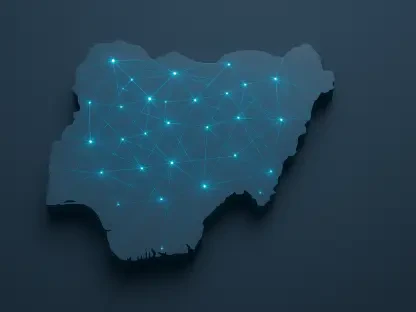

Between January 2023 and January 2026, internet traffic in Nigeria surged by 168 percent, necessitating a massive expansion of physical infrastructure to maintain network stability. This unprecedented growth has placed immense pressure on existing networks, creating a digital divide that leaves many rural communities in total isolation. To rectify this, the government is initiating the Nigeria Universal Communication Access Project (NUCAP) this October, which focuses on the construction of 3,700 new telecommunications towers. These towers are specifically designed to eliminate the “dead zones” that currently hinder the daily lives of millions of Nigerians. For many, a simple phone call or text message requires a journey to high ground or a long walk to the nearest town, making digital access a physical burden rather than a modern convenience. By transforming connectivity into a utility, this project seeks to bridge the gap between urban centers and the countryside, ensuring the digital age reaches the farthest corners of the nation.
Targeted Expansion and Infrastructure Challenges
Reaching the Marginalized Rural Population
In remote regions across the country, the absence of reliable mobile signals has created a severe economic bottleneck that stifles local innovation and growth. Small-scale farmers and rural entrepreneurs find themselves cut off from digital payment systems, preventing them from participating in the broader national economy. This isolation is a fundamental barrier to the nation’s goal of achieving a $1 trillion economy. Without the ability to access digital marketplaces or manage financial transactions through mobile apps, these communities remain tethered to traditional, less efficient methods of trade. The introduction of 3,700 new towers aims to disrupt this cycle by providing the necessary infrastructure for digital inclusion. When a farmer can check real-time market prices or a merchant can accept digital transfers, the entire local economy experiences a surge in productivity, paving the way for sustainable development and long-term financial stability for every household.
The focus of the NUCAP initiative is intentionally narrow, targeting unserved and underserved riverine and low-density communities that private telecommunications companies often bypass. From a commercial perspective, the high cost of entry and the slow return on investment in these regions make them unattractive to standard corporate expansion models. However, the government recognizes that allowing geography to dictate digital access creates a multi-tiered society where the most vulnerable are left behind. By intervening in these specific areas, the project ensures that market failures do not permanently exclude 20 million people from the modern world. This strategic shift moves the conversation away from profit margins and toward universal human rights and social equity. Providing a reliable signal to a marginalized village is a commitment to ensuring that every Nigerian has a fair chance to participate in the nation’s progress and access essential information for daily life.
Building a Resilient Connectivity Ecosystem
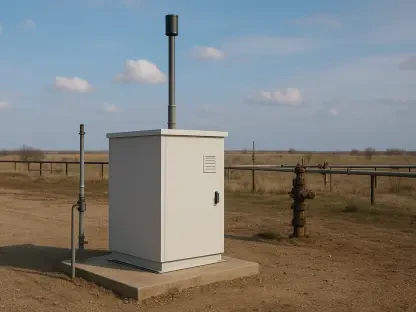
Building a telecommunications tower in a remote area is a logistical feat that requires more than just erecting a steel structure. To ensure the 3,700 new sites provide consistent service, the project must navigate the complex challenges of a fragmented national power grid. Many of the planned locations lack access to steady electricity, requiring the deployment of sophisticated hybrid power systems involving solar arrays and high-capacity battery storage. Without a reliable energy source, even the most advanced tower becomes a non-functional monument rather than a tool for digital progress. Furthermore, the construction teams must establish secure transport links to reach these hinterlands, often carving out paths through difficult terrain to deliver heavy equipment. This underlying ecosystem of power and logistics is the silent engine that will drive the success of the tower rollout, ensuring that once a signal is established, it remains uninterrupted for the local residents.
Physical security and long-term maintenance represent another critical pillar in the effort to create a resilient connectivity ecosystem across rural Nigeria. Telecommunications equipment is a frequent target for vandalism and theft, particularly in isolated areas where law enforcement presence is minimal. To protect this multi-billion Naira investment, the NUCAP project is integrating advanced security protocols, including remote monitoring sensors and community-based protection programs. Engaging local residents to take ownership of the infrastructure in their neighborhoods has proven to be an effective strategy for deterring criminal activity. Additionally, the “economics of uptime” requires a sustainable plan for regular maintenance and rapid repair cycles. If a tower fails and remains offline for weeks due to a lack of spare parts, the trust of the local community is broken. Reliability is the currency of the digital age, and maintaining it requires constant and careful vigilance.
Operational Integration and Future Viability
Meeting the Surge in National Data Consumption
The Nigerian Communications Commission has highlighted that the skyrocketing demand for data is not merely a trend but a fundamental shift in how the nation functions. As more people move their daily activities online—from education and healthcare to entertainment and retail—the physical capacity of the network must expand proportionally. The current industry response has already seen billions of dollars poured into infrastructure, resulting in thousands of new sites being commissioned across the country. However, the addition of 3,700 towers through NUCAP is a specific and necessary response to ensure the national grid does not buckle under the pressure. This expansion is designed to absorb the traffic from millions of new users who will be coming online for the first time. By proactively building capacity before the network reaches its breaking point, the government is securing the future of the internet as a stable platform for national innovation and growth.
Synchronizing these new towers with a robust backhaul network is essential for delivering the high-speed experience that modern digital services require. While the towers provide the local wireless connection to a user’s device, they must be linked to the national backbone to move data effectively. The ongoing installation of 90,000 kilometers of fiber-optic cabling serves as the critical “highway” for this information. If the fiber expansion lags behind the tower construction, users in rural areas may see full signal bars on their phones but experience agonizingly slow download speeds. True digital integration occurs when the “last-mile” connectivity of the towers meets the high-capacity “middle-mile” of the fiber network. This coordination ensures that a student in a remote village can access the same educational portals as someone in a major city center. Seamless technical integration is the only way to move beyond the aesthetics of coverage and into meaningful connectivity.
Measuring Success: The Lived Experience
The successful deployment of the initial tower phases established a new benchmark for how public-private partnerships could address systemic infrastructure gaps. Industry experts observed that the true measure of the project’s impact was found in the “lived test” of quality rather than just the total number of sites constructed. They noted that the focus shifted from simple investment figures to the actual performance of the network in the most challenging environments. For the first time, rural healthcare workers were able to coordinate emergency responses via mobile apps without the fear of a dropped signal. Analysts pointed out that the strategic placement of these towers empowered local governments to digitize their administrative services, bringing governance closer to the people. This period of expansion demonstrated that when technical precision met social necessity, the results were transformative. The project provided a clear and sustainable roadmap for all future digital endeavors.
Stakeholders prioritized the long-term sustainability of the network by implementing affordable data pricing models tailored for lower-income rural populations. They realized that infrastructure alone was insufficient if the cost of access remained prohibitive for the very people the towers were built to serve. Consequently, a series of innovative subsidy programs and localized data packages were introduced to ensure widespread adoption. The government also mandated that maintenance contracts include training for local technicians, fostering a new generation of skilled workers within the rural communities themselves. These actions ensured that the digital divide did not just shrink but remained closed through continuous local empowerment and economic viability. By the time the final towers were activated, the project had successfully integrated millions into a cohesive digital ecosystem. This approach turned the digital economy into an everyday reality for every citizen across the nation.