
Technological advantages in latency, often measured between seven and fourteen milliseconds for fiber, provide a smoother user experience than the higher response times of DSL. This shift represents more than a mere incremental speed bump; it marks a total overhaul of how data enters the modern residence. For years, households relied on aging copper wires that were originally designed for voice calls or analog television signals, but the current digital landscape demands a much more robust physical foundation. Fiber-optic cables, made of ultra-thin glass strands, transmit data using pulses of light rather than electricity, effectively bypassing the physical limitations of metal wiring. As consumers find themselves managing more simultaneous high-bandwidth activities than ever before, the transition to fiber has become a central topic of discussion in residential tech circles. Understanding the nuances of this hardware evolution is crucial for anyone looking to optimize their home office or entertainment suite for maximum reliability and efficiency in 2026.
Physics of Connectivity: The Move Toward Light
The fundamental difference between fiber-optic technology and traditional cable lies in the physical medium used to transport data across the network. Cable internet relies on coaxial lines made of copper, which transmit electrical signals that are susceptible to attenuation and environmental interference over long distances. In contrast, fiber-optic lines are constructed from flexible strands of glass that are roughly the thickness of a human hair. These strands carry data as pulses of light, which allows for significantly higher bandwidth and much faster transmission speeds compared to metal wires. Because light experiences minimal resistance as it travels through glass, fiber-optic signals remain strong and clear even when traversing several miles from the central hub. This technical superiority ensures that the end-user receives a more consistent and reliable connection, regardless of whether they are located in a densely populated urban center or a more remote residential neighborhood where copper infrastructure often struggles.
Beyond raw speed, the physical durability of fiber-optic cables provides a distinct advantage over older copper-based infrastructures. Copper is a highly conductive metal, making it vulnerable to electromagnetic interference from power lines, heavy machinery, or even lightning strikes. Furthermore, copper wires are prone to oxidation and corrosion over time, especially in coastal regions or areas with high humidity, which leads to a gradual decline in signal quality and frequent service interruptions. Fiber cables are non-metallic and immune to electromagnetic interference, ensuring a much more stable transmission regardless of external weather conditions or nearby electrical activity. This inherent stability means that maintenance requirements for fiber networks are generally lower than those for cable or DSL systems. For the average household, this translates into fewer technicians visiting the property and a connection that remains active during storms or other environmental events that might typically knock a traditional copper-based network offline for hours or even days.
Symmetrical Performance: Addressing the Upload Bottleneck
One of the most transformative aspects of fiber-optic service is the provision of symmetrical bandwidth, where upload speeds are identical to download speeds. For decades, internet service providers prioritized download capacity because the typical consumer primarily consumed data through web browsing and media streaming. However, the shift toward remote work, cloud-based storage, and high-definition video conferencing has fundamentally changed the direction of data flow in the average home. In a traditional cable setup, a user might enjoy a fast download speed of several hundred megabits while being restricted to a meager upload speed of only twenty or thirty megabits. This disparity creates a significant bottleneck when multiple people in the same household attempt to upload large work files, attend virtual classes, or back up photo libraries to the cloud simultaneously. Fiber removes this constraint by providing an equal-sized highway for data traveling in both directions, ensuring a seamless experience.
The importance of robust upload capacity becomes even more evident when considering the rise of content creation and real-time collaboration tools. Professionals who work with large video files or architectural blueprints often find that a cable connection “chokes” during the transfer process, effectively halting all other internet activity in the house until the upload is complete. Fiber’s symmetrical gigabit speeds allow these heavy data transfers to occur in the background without affecting the quality of a separate 4K video stream or an online gaming session. Furthermore, high-quality video conferencing requires a stable and fast upstream connection to maintain clear resolution and prevent audio dropouts. As households continue to integrate more cloud-dependent software and professional-grade communication tools into their daily routines, the move toward symmetrical fiber connectivity has shifted from being a luxury for power users to a practical necessity for anyone who produces as much data as they consume.
Network Reliability: Latency and Hardware Optimization
While raw speed often captures the headlines, the perceived responsiveness of an internet connection is largely determined by latency. Latency refers to the time it takes for a packet of data to travel from a device to a remote server and back again. High latency is the primary culprit behind “lag” in online gaming and the frustrating desynchronization of audio and video during live calls. Because fiber transmits data via light pulses, it offers inherently lower latency than copper-based systems, which must deal with the electrical resistance and physical limitations of metal wiring. This lower response time creates a “snappier” feel when navigating websites or interacting with cloud-based applications. For competitive gamers and professional traders, even a difference of twenty milliseconds can significantly impact performance, making fiber the gold standard for real-time applications. The consistency of fiber latency also prevents “jitter,” which is the variation in delay that causes video streams to buffer unexpectedly.
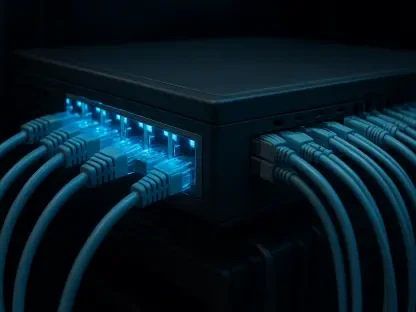
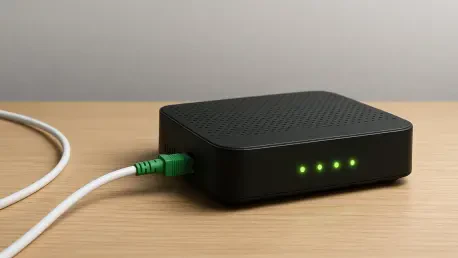
However, the transition to fiber must be accompanied by an audit of internal home hardware to ensure that the service provider’s performance actually reaches the end-user. Many residents find that their existing wireless routers or outdated mesh systems are incapable of handling the full throughput of a gigabit fiber connection. Signal interference from thick walls, large appliances, or neighboring Wi-Fi networks can significantly degrade the experience, leading users to falsely blame their service provider for slow speeds. Experts recommend utilizing a wired Ethernet connection for static devices such as desktop computers, smart televisions, and gaming consoles to bypass the limitations of wireless signals. By testing the connection directly from the ONT (Optical Network Terminal) with a high-quality cable, homeowners can determine if their speed issues are truly infrastructure-related or simply a byproduct of poor router placement. Maximizing the potential of fiber requires a holistic view of the home network, including modern hardware that supports the latest wireless protocols.
Implementation Outcomes: Actionable Steps for Network Upgrades
Individuals who successfully migrated to fiber-optic technology discovered that the most profound improvements appeared in the stability of their day-to-day operations. These users performed comprehensive audits of their local hardware and determined that existing wireless interference was often more detrimental than the service provider’s limitations. By strategically placing routers in central locations and utilizing high-quality Ethernet cables for high-demand devices, they managed to capture the full throughput offered by the new infrastructure. This holistic approach ensured that the theoretical speeds marketed by providers translated into tangible performance gains across all connected gadgets. Ultimately, those who moved toward fiber verified that the investment was not just about achieving higher peak speeds, but about creating a resilient and low-latency environment that remained functional regardless of the increasing complexity of modern software and high-definition streaming demands.
Prospective users who explored fiber availability found that evaluating the total cost of ownership was a critical step in the decision-making process. They compared introductory promotional rates against the long-term costs of equipment rentals and potential data overage fees that were common with traditional cable providers. Many fiber companies offered transparent, flat-rate pricing structures that included modern hardware and professional installation, which often made the monthly expenditure competitive with older services. By researching the specific infrastructure available at their addresses, residents were able to move past marketing jargon and select plans that aligned with their actual data consumption patterns. This strategic evaluation allowed households to transition into a future-proofed digital environment where the network no longer acted as a barrier to productivity or entertainment. The successful adoption of fiber-optic services demonstrated that a proactive upgrade to physical infrastructure provided a lasting solution to the bandwidth constraints of the modern era.