
The rapid obsolescence of traditional brass keys and mechanical tumblers has forced a complete reimagining of how corporate environments safeguard their physical and digital assets in an increasingly connected world. Historically, office security operated as a series of disconnected silos where a receptionist or a physical logbook served as the primary gatekeeper. However, the shift toward a centralized Internet of Things ecosystem has fundamentally altered this dynamic by turning every door, camera, and environmental sensor into a data-producing node. This integration provides facilities managers with a granular level of visibility that was previously impossible to achieve, allowing for the real-time tracking of movement throughout a building. As organizations transition away from static safety measures, the focus has moved toward creating fluid, responsive environments that balance high-level protection with the need for employee convenience and operational efficiency.
Architecture of Connected Access: Physical Foundations
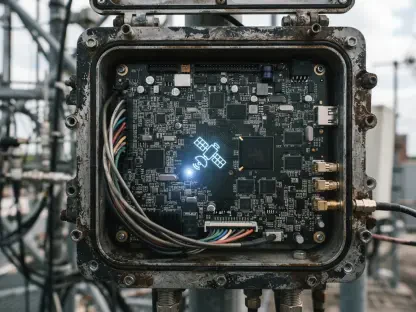
The fundamental shift from physical fobs to smartphone-based authentication has redefined the perimeter of the modern office. Employees now leverage secure digital tokens stored within encrypted mobile wallets, utilizing Near Field Communication or Bluetooth Low Energy protocols to unlock doors as they approach. This transition eliminated the logistical headache of lost or stolen badges, which previously required manual replacement and physical deactivation. By tying access rights directly to a user’s verified digital profile, administrators gained the ability to implement sophisticated permission structures that adjust dynamically. For instance, temporary contractors could be granted access only to specific floors for a predetermined duration, after which the digital key automatically expired. This granular control minimized the risk of unauthorized entry while significantly reducing the friction associated with moving through a large corporate facility.
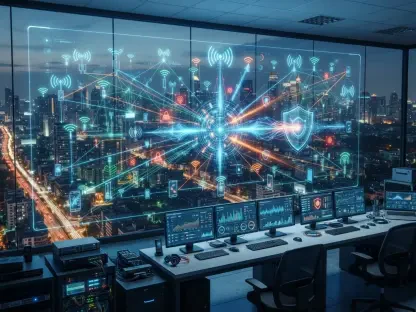
Centralized management dashboards now function as the primary command center for security operations, consolidating data from hundreds of disparate sensors into a single, intuitive interface. These cloud-based platforms enabled organizations to scale their security infrastructure across global locations without the need for extensive on-site hardware or dedicated servers. The integration of advanced biometric scanners, including high-speed facial recognition and non-contact fingerprint sensors, added an essential layer of multi-factor authentication for high-security areas like data centers or executive suites. By requiring both a mobile credential and a biometric match, the likelihood of credential theft successfully leading to a breach was virtually eliminated. Furthermore, these systems provided a comprehensive audit trail that could be exported for compliance reporting in real-time, ensuring that every entry and exit remained fully documented.
Intelligent Oversight: The Role of AI and System Synergy
Artificial Intelligence has transitioned from a theoretical concept to a cornerstone of proactive office protection, providing a watchful eye that never tires or loses focus. Machine learning algorithms now scrutinize thousands of access events every hour to establish a baseline of normal behavior for every individual within the organization. When an anomaly occurred, such as a badge being scanned at a restricted laboratory at three in the morning or a simultaneous login from two different geographic regions, the system immediately alerted security personnel. This predictive capability moved the industry away from a forensic model, where footage was reviewed only after a theft, toward a preventive model where potential threats are intercepted in real-time. These AI engines also assisted in identifying tailgating incidents, where unauthorized individuals followed employees through secure doors, by cross-referencing camera feeds with badge swipe data.
The true power of modern office security was found in its ability to communicate seamlessly with other enterprise software systems, particularly human resources databases. When an employee’s status changed in the HR system, such as a resignation or a department transfer, those changes cascaded through the security network instantaneously to revoke or update physical access rights. This automation removed the human error factor often associated with offboarding, preventing disgruntled former employees from retaining access to sensitive areas. Beyond safety, these systems integrated with building automation to drive significant operational efficiencies by adjusting lighting and climate control based on real-time occupancy data. If a meeting room remained empty, the system powered down non-essential electronics and adjusted the thermostat, demonstrating how security sensors could contribute to broader corporate sustainability goals while maintaining a safe work environment.
Resilient Deployment: Hardening Networks and Future Readiness
Emerging technologies like blockchain have started to provide an immutable layer of trust for security logs, ensuring that entry records cannot be altered or deleted by insiders. This development proved particularly valuable for industries subject to rigorous regulatory oversight, such as finance and healthcare, where a tamper-proof audit trail is a legal necessity. At the same time, the visitor management experience underwent a complete overhaul through the use of digital wallets that allowed guests to receive temporary access credentials on their phones before they even arrived on-site. This contactless approach eliminated the need for crowded lobby check-in desks and physical visitor logs, creating a more professional and efficient first impression. These smart environments became capable of making autonomous decisions, such as locking down a specific wing of a building if a fire sensor was triggered or if a cyber-threat was detected, prioritizing life safety above all.
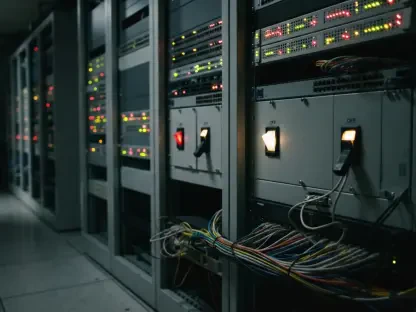
Implementing a robust IoT security framework required more than just hardware; it demanded a strategic approach to network hardening to prevent sensors from becoming vulnerabilities. Organizations prioritized the segmentation of their security networks, isolating cameras and access controllers from the primary corporate data traffic to mitigate the risk of lateral movement during a cyberattack. Rigorous firmware update schedules became a standard operational procedure to ensure that all connected devices were protected against the latest known exploits. However, technical measures were only half of the equation, as training staff to recognize and avoid physical security pitfalls remained essential. Employees were educated on the dangers of social engineering and the importance of not bypassing security protocols for the sake of convenience. Regular audits and penetration tests ensured that both the digital and physical barriers remained effective against evolving threats in a landscape.
Strategic Evolution: Final Outcomes and Tactical Success
Organizations that successfully navigated this technological transition prioritized a holistic view of safety that merged digital defense with physical oversight. Security leaders realized that the most effective strategy involved moving away from reactive fixes toward a proactive architecture built on interoperability and real-time data analysis. They implemented comprehensive zero-trust frameworks where every access request was verified, regardless of the user’s location or previous history. Decision-makers also focused on deep integration between security hardware and broader business intelligence tools to gain insights into office utilization and employee well-being. By treating security as a dynamic asset rather than a static expense, these companies achieved a higher level of resilience. This approach ensured that the workplace remained an environment where innovation could flourish without compromising the protection of intellectual property or the safety of the workforce.
Security specialists prioritized the deployment of end-to-end encryption across all communication channels between IoT devices and the central cloud management console. They established a culture of continuous monitoring where network performance and security alerts were reviewed by a dedicated response team around the clock. Organizations also transitioned to a model of regular hardware lifecycle management, ensuring that aging sensors were replaced before they could become weak points in the defense perimeter. Furthermore, companies maintained a high degree of transparency with employees regarding data usage and privacy, which fostered trust and encouraged compliance with new security protocols. These entities also engaged in collaborative information sharing within their respective industries to stay ahead of emerging threats and shared best practices for mitigating sophisticated cyber-physical attacks. Ultimately, the successful integration of these systems depended on a commitment to iterative improvement.