
Texas has long been a sanctuary for energy-intensive industries, but the sheer velocity of artificial intelligence expansion is now testing the limits of its famously independent power grid while local officials worry about stability. While the state previously welcomed massive server farms with open arms, the current surge in demand from large-scale generative models has created an unprecedented strain on the Electric Reliability Council of Texas. Local officials are increasingly wary that the digital gold rush might compromise the stability of electricity delivery for millions of residents during peak summer and winter months. The shift in sentiment reflects a broader national debate over whether the benefits of hosting high-tech infrastructure outweigh the environmental and logistical costs. Investors and tech firms are finding that the once-unconditional support from state leadership is being replaced by a more scrutinized approach that prioritizes grid resilience over rapid industrial growth. It has become clear that a pivot toward strategic management is required to ensure that the lights stay on for everyone.
Infrastructure Stability: Navigating Energy Constraints and Technical Demands
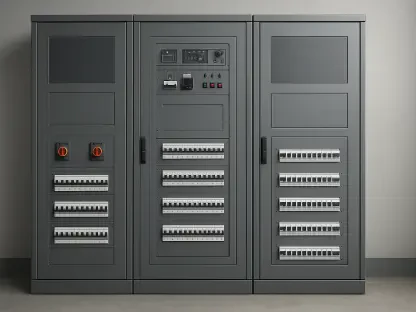
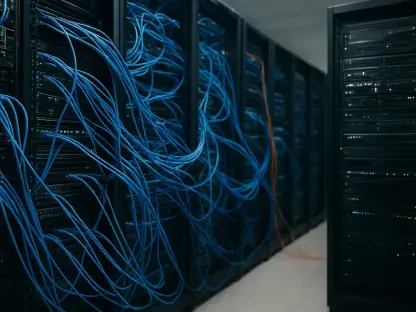
The specialized hardware required to train the latest iterations of large language models, such as those utilizing dense liquid-cooled racks of Blackwell-architecture chips, consumes significantly more power than the enterprise data centers of the previous decade. This technological shift has transformed data centers from passive storage facilities into high-intensity industrial operations that require constant, massive electrical feeds. Engineers within the Texas energy sector have noted that a single large-scale facility can now demand as much power as a mid-sized city, creating localized bottlenecks in transmission infrastructure. To address these vulnerabilities, grid operators have begun implementing stricter interconnectivity requirements, forcing developers to wait for years rather than months for a permanent hookup. This bureaucratic friction serves as a functional brake on the industry, ensuring that new capacity does not come online before the physical lines can safely handle the load. As a result, the conversation has moved toward mandating efficiency standards that were previously left to the discretion of the private sector.
Beyond the immediate physical constraints of the wires and transformers, the economic impact of these massive consumers is being felt by industrial and residential ratepayers alike. As data centers bid for electricity in a deregulated market, the increased competition often drives up wholesale prices during periods of extreme weather or unexpected outages. Lawmakers have started to question the tax incentives that were originally designed to attract technology firms, arguing that these perks should be contingent on the facility’s ability to participate in demand-response programs. By requiring centers to throttle their operations during peak grid stress, the state aims to mitigate the risk of forced rolling blackouts. Furthermore, there is a growing movement to prioritize data centers that integrate renewable energy sources or invest in onsite battery storage. These initiatives are not merely suggestions but are becoming prerequisites for securing building permits in the state, representing a new era of corporate accountability that balances private profit with public necessity and energy security.
State planners eventually recognized that a sustainable future required a decoupling of digital growth from grid instability. To resolve the friction, Texas established a comprehensive certification program that rewarded companies for achieving total energy independence during periods of system-wide stress. Industry leaders moved toward decentralized cooling technologies and integrated heat-recovery systems that converted waste energy back into usable power for neighboring industrial parks. These advancements mitigated the environmental footprint of AI expansion while ensuring that the pursuit of technological dominance did not come at the expense of basic public services. Future developers focused on site selection based on proximity to underutilized energy nodes rather than urban centers, effectively distributing the load across a wider geography. By integrating these actionable strategies, the region maintained its status as a technological hub while successfully safeguarding its vital utility resources. These measures proved that balancing high-tech ambition with infrastructure integrity was possible.