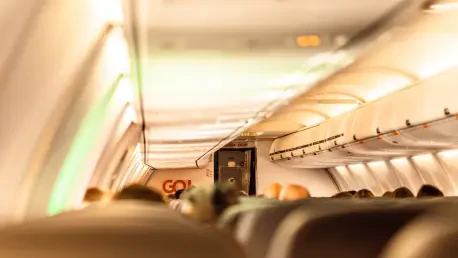

Lufthansa Group is currently managing a dual-track connectivity phase, maintaining its legacy FlyNet system alongside the new Starlink infrastructure. This bold transition reached a significant milestone in August 2026, when a flight from Frankfurt to Rome became the first to utilize SpaceX’s low-Earth-orbit satellite technology within the group’s European narrow-body network. By leveraging this sophisticated network, the carrier effectively addresses the long-standing issue of high latency that plagued traditional geostationary satellite connections. Passengers now experience a digital environment that closely mirrors ground-based high-speed fiber, allowing for seamless transitions between tasks. This technological leap moves beyond mere marketing promises; it transforms the cabin into a functional extension of the modern office or home entertainment suite. The implementation serves as a response to the growing demand for bandwidth that supports high-definition streaming and real-time collaboration tools that were previously unreliable during flight.
Democratizing Access: The Role of Loyalty Programs
A central component of this digital overhaul involves making high-speed internet a standard benefit rather than an expensive add-on. By integrating connectivity with the Miles & More loyalty program and the Travel ID system, the airline provides free access to any passenger who chooses to participate in these digital ecosystems. This shift represents a move toward the democratization of premium services, ensuring that high-speed browsing and streaming are not exclusive to those seated in the front of the plane. Whether a traveler is flying for business or leisure, the ability to stay connected without a separate fee reduces friction and enhances the perceived value of the journey. This approach acknowledges that in the modern era, internet access is viewed as a utility similar to electricity or water. By removing the financial barrier for millions of members, the group effectively incentivizes loyalty while simultaneously gathering valuable data to improve future services for all types of travelers worldwide.
The ambition of this modernization project is reflected in the sheer volume of aircraft slated for upgrades. Lufthansa Group aims to equip approximately 850 aircraft by 2029, encompassing a diverse range of brands including SWISS, Austrian Airlines, and regional operators like Eurowings and Discover Airlines. To manage this complex logistical undertaking, the group relies on the expertise of Lufthansa Technik in Berlin, where the majority of hardware installations take place. Rather than taking aircraft out of service specifically for Wi-Fi upgrades, engineering teams strategically schedule the work to coincide with existing maintenance windows. This approach minimizes downtime and ensures that the fleet remains operational, maintaining the schedule integrity passengers expect. Each installation involves mounting specialized antennas designed for the LEO satellite constellation. This operational efficiency is crucial for meeting the aggressive targets set for the end of this decade, ensuring a consistent user experience.
Social Standards: Preserving the Cabin Environment
While the technical capacity for high-speed communication has expanded, the airline remains committed to preserving a calm and respectful cabin environment for all passengers. To manage the social implications of total connectivity, specific guidelines have been implemented regarding how the internet is used on board. Voice and video calls remain strictly prohibited, a policy designed to prevent the noise disturbances that would inevitably occur if hundreds of passengers were speaking at once. This rule ensures that the cabin remains a place where people can rest or focus on quiet work without the intrusion of others’ personal or professional conversations. Furthermore, the use of headphones is mandatory for anyone consuming audio or video content, whether they are streaming a movie or participating in a silent webinar. These common-sense regulations represent a balanced approach to innovation, where the benefits of high-speed data are provided without compromising the traditional comforts of air travel for everyone.
As the fleet-wide upgrade continues, the airline is developing new digital tools to help passengers manage their expectations and plan their journeys. Currently, during this transitional phase, travelers may encounter different systems depending on the specific aircraft assigned to their route. To address this, the group plans to introduce a specialized search feature that will allow passengers to identify Starlink-equipped flights during the booking process. This transparency is vital for business travelers who may prioritize certain flights based on the guaranteed availability of high-speed broadband. Moreover, the group is working to harmonize the user interface of the FlyNet portal with the new Starlink experience to ensure a familiar feel across all platforms. This ongoing development phase is about more than just hardware; it is about refining the entire digital guest journey from check-in to landing. By providing clear information, the airline builds trust and showcases its commitment to excellence.
The successful launch of this connectivity initiative provided several key takeaways for the broader aviation sector. It demonstrated that a phased, dual-track approach allowed for steady progress without compromising existing service levels during the transition. Carriers that observed this rollout learned that integrating high-speed internet with loyalty programs served as a powerful tool for customer engagement. The project highlighted the necessity of maintaining strict cabin etiquette to ensure that technical advancements did not diminish the passenger experience. Industry leaders recognized that the move to low-Earth-orbit satellites set a new benchmark for bandwidth and latency expectations that others had to meet to remain competitive. For those looking to follow this path, the primary lesson was the importance of coordinating maintenance schedules with hardware upgrades to maximize efficiency. Ultimately, the strategy proved that long-term investments in digital infrastructure redefined the standard for modern air travel.