
The remote isolation of the Hawaiian archipelago has historically presented a unique set of logistical challenges for modern telecommunications, yet the state has just reached a definitive milestone in its journey toward a comprehensive digital transformation. By successfully clearing a critical regulatory hurdle, state planners have greenlit a massive underwater fiber optic cable project that promises to transform how the islands connect with one another and the rest of the world. This initiative represents a strategic move toward a high-capacity subsea network designed to provide uniform, high-speed internet access across the entire island chain by the end of 2027. The transition from theoretical blueprints to active physical deployment signifies a victory over complex permitting processes and rigorous environmental assessments required to protect the region’s fragile coral reefs. With the final approvals in place, construction crews are now mobilizing to lay the foundation for a technological future that ensures no island is left behind in the global digital economy.
Bridging the Digital Divide and Boosting the Economy
The central pillar of this strategic infrastructure plan is the pursuit of digital equity, a concept that has remained elusive for many of the state’s more remote communities until now. By physically linking rural areas on Kauai, Molokai, and the Big Island with the high-density urban hub of Oahu, the project directly addresses the long-standing digital divide that has historically disadvantaged residents outside of Honolulu. This connectivity is not merely a matter of convenience; it is a critical requirement for equal access to modern educational resources, emergency notification systems, and social services. When the subsea cables are fully operational, a student in a small town on the North Shore or a farmer in the interior of Maui will experience the same low-latency bandwidth as a corporate office in downtown Waikiki. This democratization of data access ensures that geography no longer dictates the quality of a resident’s opportunities or their ability to participate in society.
Beyond the immediate benefits of residential connectivity, the underwater network serves as a catalyst for long-term economic resilience and diversification across the islands. As state leaders look to move beyond a traditional reliance on tourism and military spending, robust telecommunications infrastructure becomes the essential backbone for a burgeoning local tech sector. High-speed bandwidth will facilitate the growth of remote work opportunities, allowing residents to compete for global positions without leaving their communities. Furthermore, the healthcare industry stands to benefit significantly from enhanced telehealth services, which can provide specialized medical consultations to remote areas that lack permanent facilities. By providing the necessary infrastructure for diverse industries to thrive, Hawaii is positioning itself as a competitive player in the increasingly globalized digital market. This investment in subsea technology is not just about faster internet speeds; it is a stable platform for innovation.
Ensuring Infrastructure Resilience and Transparent Progress
Physical durability remains a top priority for the engineers designing this network, as the Central Pacific environment presents a unique set of challenges including seismic activity and severe weather. Unlike existing satellite links that can be disrupted by heavy cloud cover or older microwave relay systems that are vulnerable to atmospheric interference, these new fiber strands are heavily armored to remain functional during tropical storms. The cables are specifically engineered to withstand high pressure and the corrosive nature of the saltwater environment, ensuring that critical communication lifelines stay open when they are needed most. During natural disasters, when terrestrial infrastructure might fail, these subsea connections provide a reliable fail-safe for emergency responders and government coordination. This level of hardening makes the new network far more resilient than current alternatives, offering a sense of security to businesses and residents who rely on constant uptime.
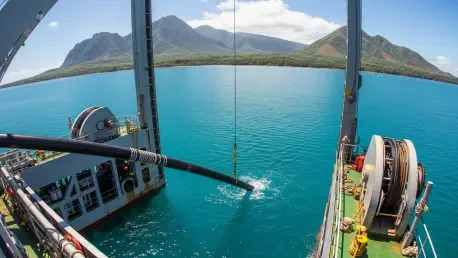
The progress made on this initiative also reflects a broader commitment to transparent governance and technical precision during a period when public infrastructure projects often face intense scrutiny. While other large-scale state endeavors have struggled with legal delays or budgetary overruns, the cable project has navigated the bureaucratic landscape through strict regulatory compliance and community engagement. The deployment process utilizes sophisticated cable-laying vessels that follow precise environmental protocols to minimize any impact on the seafloor and marine life. This careful approach ensures that the pursuit of technological advancement does not come at the cost of the state’s natural heritage, particularly the sensitive coral reef systems that surround the islands. By adhering to these rigorous standards, the state has demonstrated that it can successfully manage complex, high-stakes infrastructure projects while maintaining public trust. This model provides a blueprint for future regional projects.
Looking toward the horizon, the focus transitioned toward the long-term maintenance and scaling of this subsea infrastructure to meet the evolving demands of the coming years. Technicians and state planners already identified the need for proactive monitoring systems that could detect cable faults before they caused significant service interruptions. The successful clearing of regulatory hurdles served as a launchpad for future public-private partnerships that aimed to attract more international data traffic to the region, potentially turning the islands into a central data hub for the Pacific. By establishing this high-capacity backbone, the state took a decisive step toward closing the digital divide and securing its place in a tech-driven economy. The lessons learned during the permitting and environmental review phases provided valuable insights for other coastal regions seeking to modernize their own networks. Ultimately, the project moved beyond simple connectivity, creating a more cohesive and resilient society.