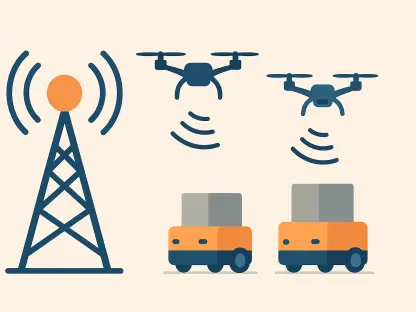

The quiet transformation of telecommunications infrastructure into a sophisticated trust layer has fundamentally altered how digital identities are verified in an increasingly automated economy. As industries transition away from traditional connectivity models, the focus has shifted toward the creation of a programmable environment where the network itself acts as an arbiter of truth. This evolution, often described as the rise of the agentic network, provides the essential foundation for a future where autonomous systems and human users interact within a highly secure, verified digital landscape. By moving beyond simple data transmission, telecommunications providers are establishing a new paradigm of network-based intelligence.
Replacing Vulnerable Passwords With Seamless Network-Level Trust
The reliance on manual passwords and SMS-based two-factor authentication has long been a weak point in digital security, but the move toward network-level authentication is changing this dynamic. Modern solutions like Number Verify allow applications to confirm a user’s identity silently in the background by querying the cellular network directly. This method removes the friction of entering codes while simultaneously eliminating the risk of interception by malicious actors. By leveraging the inherent security of the SIM card, businesses can now offer a seamless onboarding experience that does not sacrifice safety for speed.
This transition toward silent authentication represents a significant departure from previous security protocols that required constant user intervention. Instead of forcing the individual to act as a security officer, the network assumes the responsibility of verifying the connection through cryptographic tokens. This shift not only reduces the likelihood of successful phishing attacks but also increases customer satisfaction by streamlining the login process. As these capabilities become more widespread, the traditional password is becoming a relic of an era before the network could verify its own participants.
The Strategic Shift: From Technical API Exposure to Scalable Business Adoption
In the recent past, the telecommunications industry focused heavily on the technical exposure of network capabilities, yet the current priority has shifted toward solving specific business problems. While standardization through various global bodies was necessary to build a foundation, enterprises are rarely interested in the technical nuances of an API. Instead, they seek reliable business outcomes such as reduced operational costs or improved customer trust. Consequently, providers like Deutsche Telekom have transitioned their strategy toward offering curated solutions that abstract away the complexity of the underlying infrastructure.
This maturation of the ecosystem is evident in the development of developer-friendly portals that prioritize ease of use over technical jargon. By providing clear pathways for integration, telecom operators are making it possible for software developers to treat network features like any other cloud service. This accessibility is crucial for scaling adoption across different sectors, from retail to logistics. As the industry moves forward, the success of network APIs will be measured not by the number of calls made, but by the tangible value they create for the businesses that deploy them.
Hardening Security Frameworks With Real-Time Identity and SIM-Swap Signals
Real-time network signals have become a critical tool in the fight against sophisticated fraud, particularly in the financial services sector. The implementation of SIM-swap detection APIs allows institutions to determine if a mobile number has been recently moved to a new device, a common indicator of a potential account takeover. These signals provide an invisible layer of protection that operates entirely outside the application layer, giving security teams a significant advantage over attackers. By integrating these real-time data points, companies can trigger additional verification steps only when high-risk behavior is detected.
Furthermore, the combination of location data and device status provides a more comprehensive view of user legitimacy than simple credentials ever could. For example, a financial transaction can be verified against the physical location of the device in real-time, ensuring that the person initiating the transfer is actually who they claim to be. This proactive approach to security moves beyond the reactive measures of the past. As these signals become more integrated into daily operations, the network functions as a continuous verification engine that adapts to emerging threats.
Empowering Autonomous AI Agents With Verifiable Network Environment Data
The emergence of agentic AI represents a new frontier where autonomous software entities require verifiable data to make high-stakes decisions without human oversight. For an AI agent to execute a transaction or manage a supply chain, it must be able to trust the environment in which it operates. The agentic network fulfills this need by providing high-fidelity signals that confirm the identity and location of the interacting parties. This creates a secure sandbox where AI can operate with a high degree of confidence, bridging the gap between experimental pilots and production-ready systems.
Trust and governance are the primary hurdles to the widespread adoption of autonomous AI, and the network is uniquely positioned to solve these issues. By acting as a decentralized source of truth, the network offers a level of verification that is independent of the AI’s own logic. This oversight ensures that autonomous systems remain within their intended operational boundaries while providing a clear audit trail for every action taken. As AI agents become more prevalent, the network will serve as the essential infrastructure that makes their autonomy possible and safe.
Global Collaboration and Expert Insights on the Programmable Network Future
The success of the programmable network depends heavily on global collaboration and the alignment of technical standards across different regions. Initiatives such as Nokia’s Network as Code and partnerships with cloud providers like Google Cloud are instrumental in making network capabilities accessible to a global audience. These collaborations ensure that an API built for one carrier functions seamlessly across others, providing the scale that multinational corporations require. This unified approach prevents the fragmentation that hindered previous generations of telecommunications technology.
Industry leaders are increasingly recognizing that the future of the sector lies in its ability to integrate with the broader cloud ecosystem. By making the network legible to enterprise AI frameworks, operators are ensuring their relevance in a world where software is the primary driver of value. This synergy between network providers and cloud giants creates a robust environment for innovation, where new services can be deployed and scaled in record time. The ongoing dialogue between these players is shaping a future where the network is no longer a silent pipe but an active participant in digital life.
A Strategic Framework for Implementing Agentic Network Capabilities
Establishing a strategic framework for network capabilities required a shift in how organizations viewed their digital assets. Forward-thinking leaders moved beyond the idea of connectivity as a commodity and began to monetize verified business outcomes. They prioritized the development of use cases that addressed immediate pain points, such as fraud prevention and identity management, which allowed them to demonstrate value quickly. This pragmatic approach fostered a culture of innovation that balanced technical excellence with commercial viability, ensuring that new features met the actual needs of the market.
The industry moved toward a model where the network provided the intelligence necessary for a secure and automated economy. By focusing on the integration of real-time signals into existing workflows, stakeholders ensured that the transition to an agentic network was both practical and transformative. This progress was not merely about faster speeds but about the creation of a more resilient digital society. The collective efforts of operators, developers, and enterprises solidified the network’s role as the fundamental layer of trust for all future digital interactions.