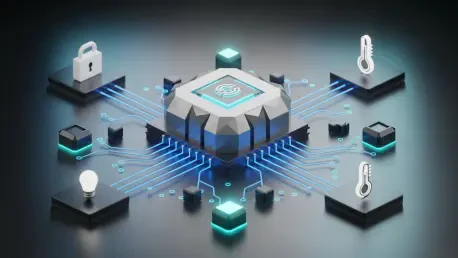

The realization that a primary home security system or climate control interface can become completely non-functional during a standard internet service interruption has prompted a significant migration toward local control architectures. For many years, the industry relied heavily on cloud-dependent models, where every command from a smartphone had to travel to a distant server before returning to a device just a few feet away. This reliance introduced unnecessary latency, created vulnerabilities during service outages, and tied the lifespan of expensive hardware to the financial stability of the manufacturing company. Today, the shift toward local processing ensures that the intelligence of the home resides within its own walls, making the ecosystem more resilient, faster, and significantly more private. By eliminating the middleman of the external server, users are regaining the type of reliability that was once only associated with traditional, hardwired electrical systems. This transition is not merely a technical preference for enthusiasts but a necessary evolution as the smart home matures into a critical component of modern residential infrastructure that must operate regardless of external connectivity or corporate subscription requirements.
Local Protocols: The Foundation of Mesh Networking
The transition to a localized smart home environment is underpinned by specialized communication protocols like Zigbee and Z-Wave, which facilitate direct device-to-device interaction without requiring a persistent internet connection. Unlike Wi-Fi, which can become congested with high-bandwidth traffic from streaming and gaming, these low-power mesh networks are designed specifically for small packets of automation data. Zigbee functions as an open standard that allows sensors, bulbs, and switches to act as repeaters, effectively extending the range and reliability of the network as more devices are added. Because these devices communicate directly with a local hub rather than a remote cloud server, the response times are nearly instantaneous. This localized architecture ensures that if the internet goes down, a motion sensor will still trigger a hallway light, and a leak detector will still signal a water shut-off valve to close, providing a level of safety and consistency that cloud-based systems simply cannot guarantee.
Furthermore, the emergence of Matter and Thread has provided a much-needed universal language for this local ecosystem, allowing hardware from diverse manufacturers to collaborate seamlessly on a private network. Matter acts as the application layer that standardizes how devices describe their functions, while Thread serves as a fast, self-healing wireless transport layer that does not rely on a central router for every transaction. This combination allows a smart plug from one brand to be controlled by a voice assistant from another brand entirely over the local network, bypassing the traditional cloud-to-cloud integrations that are often plagued by delays and technical failures. By adopting these standards, homeowners are no longer locked into a single manufacturer’s ecosystem or forced to maintain multiple cloud accounts just to keep their devices talking to each other. This move toward a standardized local fabric represents a major step in treated home automation as a permanent utility rather than a temporary convenience provided by a service provider.
Infrastructure and Privacy: The Evolution of Secure Home Management
Reliability in the modern smart home is increasingly defined by hardware that prioritizes local processing for mission-critical tasks, such as lighting and climate control. Systems like Lutron Caséta have set a high bar by using proprietary radio frequencies that communicate directly between switches and local bridges, ensuring that lighting scenes and schedules are stored and executed on-site. This architectural choice means that even if a homeowner’s router fails or the internet provider experiences a region-wide blackout, the essential functions of the home remain fully operational. This “set and forget” approach mimics the dependability of traditional wiring while providing the advanced features of modern technology. As the market moves from 2026 toward 2028, consumers are increasingly demanding this level of structural integrity, rejecting devices that require a constant handshake with a remote data center just to perform basic mechanical actions like locking a door or opening a garage.
The push for local control is also a direct response to growing concerns regarding data privacy and the security of cloud-based surveillance. Many homeowners have grown wary of systems that upload private video feeds to corporate servers, where data can be accessed by third parties or exposed in security breaches. In response, a new generation of security solutions from brands like Ubiquiti and Eufy has prioritized local storage and on-device artificial intelligence. These systems use dedicated network video recorders and high-performance local processors to handle person detection and facial recognition directly on the premises. By keeping sensitive video data on local hard drives, these systems offer professional-grade monitoring without the recurring costs of cloud storage subscriptions. This localized security model not only protects personal privacy but also ensures that surveillance remains active and accessible even when external networks are compromised or unavailable.
Digital Sovereignty: Centralized Intelligence and Open Standards
The most advanced expression of the local control movement is the adoption of open-source central hubs, such as Home Assistant, which serve as a private brain for the entire household. These platforms allow users to integrate thousands of different devices from hundreds of brands into a single, cohesive interface that operates entirely within the local network. By hosting the automation logic on a dedicated piece of hardware, such as a localized server or a dedicated hub, the homeowner gains total digital sovereignty over their environment. This means that complex routines—such as adjusting the thermostat based on solar gain or shutting down electronics when no motion is detected—occur locally and privately. This setup eliminates the risk of “digital ghosts,” where hardware becomes obsolete because a manufacturer discontinued a cloud service. Instead, the home remains a functional, autonomous unit that belongs solely to the resident, free from the whims of corporate roadmaps or shifting business models.
This shift toward the edge, where intelligence is handled by the devices and local hubs themselves, marks a departure from the subscription-heavy models of the early smart home era. As we look toward the development of more sophisticated home AI from 2026 to 2028, the focus is shifting to local large language models and processing units that do not require an active link to a massive data center. By keeping the processing local, manufacturers can offer faster response times and better reliability while reducing the overhead costs associated with maintaining global server infrastructures. This economic and technical realignment is creating a more sustainable marketplace where hardware is sold based on its inherent value and performance rather than as a gateway to a recurring service fee. Consequently, the smart home is evolving into a mature, resilient environment that prioritizes the needs of the occupant over the data-harvesting requirements of the service provider.
The Transition Completed: A New Standard for Smart Living
The industry recognized the inherent flaws in cloud-only architectures and successfully pivoted toward a model that prioritized local autonomy and hardware longevity. Homeowners moved away from devices that required constant external validation and instead invested in infrastructure that functioned independently of internet stability. This change established a new baseline for residential technology, where the ability to operate without a cloud connection became a primary selling point rather than a niche feature for technical experts. The adoption of local hubs and decentralized protocols like Thread ensured that the smart home could withstand the fluctuations of the corporate tech world. By choosing hardware that supported open standards, users protected their investments and ensured that their living environments remained intelligent for years to come. This transition proved that the most effective smart home was one that could stand alone, treating the internet as an optional enhancement rather than a mandatory requirement.
To maintain a truly resilient and private home environment, the next logical step involved auditing existing hardware and replacing cloud-dependent “bottleneck” devices with those that supported local APIs. Homeowners sought out hubs that could bridge older legacy systems into a local Matter-based fabric, effectively future-proofing their current investments. They also prioritized security systems that utilized local storage, thereby eliminating monthly fees and enhancing the physical privacy of their domestic spaces. By focusing on local control, the community created a standard for digital independence that rewarded manufacturers who respected user privacy and hardware ownership. This shift reflected a broader understanding that the most reliable technology is that which the user fully controls. Moving forward, the emphasis remained on building robust local networks that prioritized speed, security, and the absolute certainty that the home would function exactly as intended, every single time a switch was flipped.