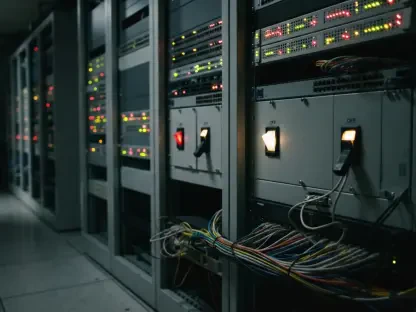

Network segmentation is a critical safeguard that prevents a smart crosswalk sensor from accessing sensitive personnel files or financial records. The rapid integration of Internet of Things (IoT) technology into state and local government operations has revolutionized public services, bringing intelligent traffic management and automated sensors into the mainstream. From major cities to rural counties, these connected devices offer unprecedented efficiency and data-driven insights. However, this digital transformation introduced cybersecurity vulnerabilities that many agencies were not prepared to handle initially. Historically, government entities operated under a reactive model, deploying technology to solve immediate hurdles while treating security as an afterthought. To protect public infrastructure in 2026, a fundamental shift is required, moving away from ad hoc hardware installation toward a proactive, program-first posture that focuses on resilience over simple functionality.
The Visibility Crisis: Discovery and Accountability
At the core of the current security crisis in the public sector is the persistent issue of visibility, which is often hindered by fragmented technology management across various departments. Because public works, law enforcement, and transportation offices frequently operate with independent budgets and procurement authorities, the phenomenon of shadow IoT becomes a pervasive risk. When a specific department installs cellular-connected sensors for monitoring wastewater levels or traffic flow without involving the central IT office, it creates a significant blind spot in the defense strategy. If a security team is unaware of a device’s existence, they cannot monitor its traffic patterns, manage its vulnerabilities, or ensure it receives critical firmware updates. Establishing a centralized, accurate asset inventory across all departmental silos is the first essential step in regaining control over the increasingly complex and interconnected municipal networks.
A comprehensive discovery process must include identifying every device regardless of whether it connects via fiber, cellular, or local Wi-Fi. Many legacy systems within government infrastructure were never designed with internet connectivity in mind, yet they are now being retrofitted with smart modules to increase efficiency. This creates a dangerous intersection where old industrial controls meet modern cyber threats. This inventory must also establish clear lines of accountability for the entire device lifecycle. The responsibility for patching and maintenance—whether it falls to internal staff, the manufacturer, or a contracted third party—must be explicitly defined to avoid the risk of devices remaining online for years with unaddressed or forgotten vulnerabilities. By documenting ownership, agencies can ensure that security updates are applied consistently and that no device is left vulnerable due to simple administrative oversight or a lack of clear ownership.
Integrated Procurement: Aligning Functionality with Security
A recurring challenge in securing government infrastructure is the inherent misalignment of priorities between operational leaders and cybersecurity teams. While operational heads focus on functional outcomes and system uptime, security professionals prioritize risk mitigation and long-term resilience. This disconnect often leads to the acquisition of technology based purely on functional specifications or cost-effectiveness rather than security protocols. To bridge this gap, agencies must integrate security reviews into the earliest stages of the procurement process. This ensures that every new device meets rigorous standards before it is ever connected to the public network or integrated into critical systems. Moving the security conversation to the pre-purchase phase allows for the evaluation of vendor security practices and the identification of potential weak points in the hardware design before taxpayer funds are committed to a potentially insecure solution.
Implementing a documented onboarding process supported by standardized checklists is an effective way to prevent the purchase of non-compliant equipment that could compromise the entire network. These checklists should force departments to define the device lifecycle and identify specific technical requirements before a contract is finalized. Agencies must ask logistical questions regarding system communication, data encryption standards, and whether the vendor requires permanent remote access for maintenance. By addressing these factors before a contract is signed, local governments avoid the costly burden of trying to secure a vulnerable device after it has already been embedded into their critical infrastructure. This approach also allows for the negotiation of better service level agreements that include mandatory security patching schedules, ensuring that the burden of maintenance does not fall solely on the already stretched internal IT departments of these local agencies.
Defensive Architectures: Maintaining Long-Term Resilience
Once devices are identified and properly procured, the focus must shift to robust network-level controls to limit the potential damage from a hypothetical breach. The practice of isolating IoT devices into specific zones ensures that even if a single sensor is compromised, the attacker cannot use it as a pivot point to reach sensitive administrative data. Restricting the lateral movement of threats allows security teams to contain vulnerabilities and maintain the integrity of their broader administrative networks. Furthermore, the increasing reliance on third-party vendors for remote maintenance necessitates strict identity and access management. When contractors require access to municipal systems, their activity is rigorously monitored and logged to prevent unauthorized entry. To manage this workload, many agencies utilize Managed Detection and Response (MDR) providers, allowing them to leverage external expertise for 24/7 monitoring while maintaining oversight of their security strategy.
The most effective way for state and local governments to secure their digital future was to build their security programs around established industry frameworks, such as those provided by the National Institute of Standards and Technology (NIST). These frameworks offered a structured methodology for assessing risks and prioritizing investments based on the actual threat landscape rather than marketing trends. By establishing a comprehensive program before purchasing additional hardware, governments ensured that every new asset was immediately integrated into a unified system of inventory, approval, and monitoring. This transition from a fragmented strategy to a unified architecture allowed public infrastructure to evolve safely. Ultimately, the synchronization of visibility, procurement, and network isolation shielded the public from the threat of digital interference, providing a roadmap for agencies to maintain long-term resilience and safeguard critical municipal services.