
A single hairline fracture in a high-pressure turbine blade can jeopardize the structural integrity of an entire aircraft, demanding a level of precision that transcends traditional human observation. In the high-stakes environment of aerospace manufacturing, where the margin for error is effectively zero, the integration of the Internet of Things (IoT) is redefining the fundamental principles of Non-Destructive Testing (NDT). This paradigm shift transitions the industry from periodic, isolated inspections to a continuous stream of interconnected data that monitors flight-critical components from their inception on the factory floor through decades of operational service. By embedding intelligence into every fastener, wing spar, and composite panel, manufacturers are building a comprehensive digital history for every airframe. This connectivity ensures that safety protocols are not just reactive measures but proactive shields, maintaining reliability throughout the entire life cycle of an aircraft.
Connectivity: Bridging the Gap Between Inspection and Action
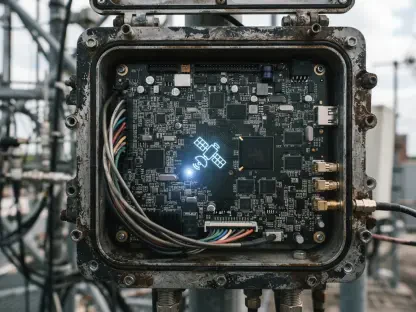
Traditional NDT techniques like ultrasonic testing and eddy current arrays have served as the bedrock of aviation safety for generations, yet they often functioned as siloed operations with delayed reporting. The arrival of IoT-enabled sensors has fundamentally altered this landscape by allowing inspection hardware to communicate directly with centralized cloud platforms in real time. When a technician scans a fuselage section today, the high-resolution data regarding material density or subsurface anomalies is instantly uploaded, analyzed, and compared against historical baselines. This immediate synchronization eliminates the lag time between discovery and documentation, ensuring that every stakeholder in the production chain has access to the same high-fidelity information. Furthermore, this digital transparency allows for more rigorous oversight by regulatory bodies, as every inspection step is timestamped and recorded with unalterable precision, fostering a culture of accountability.
Implementing these connected systems enables a strategy known as in-line inspection, where quality control occurs concurrently with the assembly process rather than as a final, post-production hurdle. By installing networked sensors at various stages of the manufacturing line, aerospace firms can detect minute deviations in material properties as they happen, preventing a minor flaw from becoming an expensive structural failure. If an automated riveting system detects an unusual torque resistance or if a composite curing process deviates from its thermal profile, the IoT network triggers an immediate alert. This rapid feedback loop allows for instantaneous adjustments or scrapping of non-compliant parts before they are integrated into larger, more complex assemblies. Consequently, the industry experiences a significant reduction in waste and rework costs, while the overall speed of production increases without sacrificing the stringent safety standards that define modern aviation.
Digital Twins: Simulating Longevity through Continuous Feedback
One of the most profound evolutions in aerospace maintenance is the transition from rigid, schedule-based intervals to a dynamic, predictive model driven by real-world operational data. Historically, components were overhauled or replaced based on generic flight hours or cycle counts, a practice that frequently led to the disposal of perfectly functional parts or, conversely, missed localized wear patterns. By embedding specialized IoT sensors into the airframe and engines, operators can now monitor the specific stresses, temperatures, and vibrations experienced during every unique flight path. This granular data allows for a condition-based approach, where maintenance tasks are performed only when the actual health of the component necessitates intervention. Such a strategy optimizes spare parts inventory and reduces the frequency of intrusive manual inspections that can sometimes introduce human error. This data-driven precision ensures that aircraft remain in the air longer while maintaining a higher safety ceiling.
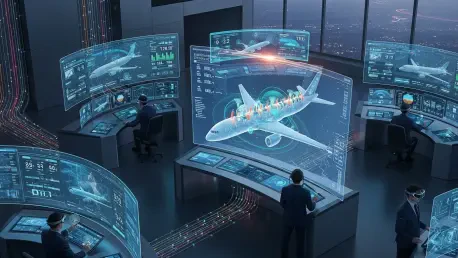
These streams of live operational data are funneled into sophisticated Digital Twins, which are high-fidelity virtual replicas of physical aircraft components that mirror their real-world counterparts. These models do not just reflect current status; they use historical and real-time inputs to simulate how a specific wing rib or engine casing will react to future environmental stresses, such as extreme turbulence or corrosive salt air. By comparing the live telemetry from an aircraft in flight against the predicted performance of its Digital Twin, engineering teams can identify the earliest signs of structural fatigue long before they become visible to the naked eye. This foresight allows airlines to schedule repairs during routine downtime, preventing unexpected groundings that disrupt global travel networks. The Digital Twin acts as a living document of an aircraft’s health, evolving as the physical machine ages and providing engineers with a detailed roadmap for extending the safe operational life of the fleet.
Artificial Intelligence: Enhancing Human Expertise in Data Analysis
The sheer volume of data generated by thousands of IoT-connected sensors across a global fleet of aircraft is far too massive for human analysts to process without significant technological assistance. To manage this influx, the aerospace sector has deployed advanced Artificial Intelligence (AI) and machine learning algorithms specifically designed to interpret NDT results with superhuman speed. These algorithms are trained on millions of past inspection images and sensor readings, allowing them to recognize the subtle fingerprints of microscopic cracks or delamination in composite materials. By filtering out background noise and identifying genuine areas of concern, AI serves as an indispensable first line of defense that highlights potential risks for human engineers to review. This automated scanning process ensures that no anomaly, however small, is overlooked during the high-pressure turnaround times required in modern hangars. The result is a more consistent and objective inspection process.
Despite the rapid advancement of automated systems, the aerospace industry remains committed to a human-centric approach where technology empowers rather than replaces the expert technician. Modern IoT platforms are designed with intuitive user interfaces that present complex data visualizations in a clear, actionable format for inspectors on the hangar floor. Instead of wading through raw code or spreadsheets, engineers use augmented reality overlays and simplified dashboards that pinpoint exactly where a potential issue is located on the physical airframe. This focus on user experience ensures that the transition to high-tech NDT is seamless and that the institutional knowledge of veteran inspectors is integrated into the digital workflow. By keeping a human in the loop for final safety decisions, companies leverage the pattern-recognition capabilities of AI while maintaining the critical judgment and accountability of a licensed professional. This synergy creates a robust safety net that adapts to aircraft complexity.
Operational Resilience: The Future of Maintenance Integration
As the aviation industry moved toward a more interconnected future, the focus shifted from simply gathering data to ensuring that this information became a catalyst for organizational change. Leading aerospace firms recognized that the true value of IoT in non-destructive testing was found in its ability to break down departmental silos and foster cross-functional collaboration. When an NDT sensor flagged a potential issue, the information was not restricted to the quality control department; it was shared with procurement, logistics, and flight operations simultaneously. This integrated communication allowed for the pre-emptive ordering of replacement parts and the reorganization of flight schedules before the aircraft even landed. Companies that embraced this level of transparency saw a marked improvement in their operational resilience, as they were no longer blindsided by equipment failures. The strategic use of data turned maintenance from a necessary burden into a competitive advantage.
Looking back at the initial implementation phases, the primary recommendation for stakeholders was to prioritize data security and standardization to ensure the long-term viability of these digital ecosystems. It was discovered that without a unified framework for data exchange between different manufacturers and operators, the potential for error increased during fleet-wide updates. Industry leaders moved toward adopting open-source protocols that allowed for seamless integration between disparate sensor types and analysis software. This standardization facilitated a more robust defense against cyber threats, protecting sensitive flight data from unauthorized access or manipulation. Moving forward, the industry understood that the continuous evolution of NDT technology required a commitment to ongoing training and the adoption of flexible infrastructure that could accommodate future sensor innovations. By focusing on these core areas, the aerospace sector solidified its commitment to safety, ensuring that aircraft remained secure.