
The record-breaking heatwaves currently sweeping across major global metropolises have transformed environmental resilience from a theoretical discussion into an immediate survival mandate for modern civilization. During events like the recent London Climate Action Week, experts found themselves analyzing thermal stress while experiencing the very phenomena they sought to mitigate, underscoring the urgent need for real-time technological intervention. The Internet of Things has emerged as the essential digital nervous system required to navigate this crisis, utilizing an expansive network of embedded sensors and mobile data points to track atmospheric changes. This technological layer provides a granular view of how heat moves through urban corridors, allowing engineers to identify specific vulnerabilities that were previously invisible to traditional monitoring systems. By synthesizing vast quantities of environmental data, these platforms empower decision-makers to move beyond reactive emergency management toward a sophisticated model of proactive defense.
Stabilizing Energy Grids and Transit Networks
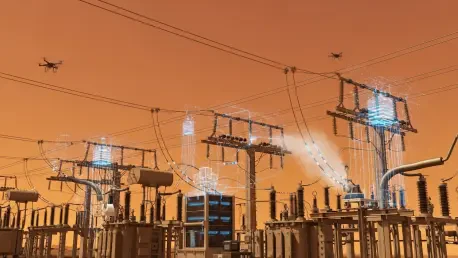
As ambient temperatures climb toward historic highs, electrical distribution networks encounter a compounding crisis where skyrocketing demand for air conditioning coincides with a physical decline in hardware efficiency. Transformers and substations are particularly vulnerable to thermal fatigue, which can lead to catastrophic failures and widespread blackouts if the system is pushed beyond its design limits. To combat this, utility providers are integrating sophisticated smart grid sensors that monitor the internal temperature and load capacity of critical components in real time. These IoT devices allow operators to visualize the health of the entire network, facilitating the dynamic rerouting of electricity to alleviate pressure on overheating segments. This level of visibility transforms a rigid utility structure into a flexible system capable of surviving localized surges without collapsing the broader infrastructure. Furthermore, the use of predictive analytics allows maintenance teams to service equipment before it fails, significantly extending the lifespan of the grid.
The shift toward a more resilient energy landscape is also characterized by the rapid expansion of distributed energy resources that function independently of the centralized utility backbone. In many regions, the combination of rooftop solar arrays and advanced battery storage systems creates a decentralized safety net that remains operational even when the primary grid is compromised. These microgrids utilize intelligent management software to prioritize essential services, ensuring that cooling centers and hospitals maintain power during the most intense phases of a heatwave. This transition to localized power generation reduces the overall strain on long-distance transmission lines, which often suffer from increased resistance and energy loss during periods of extreme heat. By empowering communities to manage their own energy production and storage, the integration of IoT ensures a more robust and equitable response to climate volatility. This move toward autonomy represents a critical shift in global infrastructure strategy, moving away from singular points of failure.
Transportation networks, particularly rail systems, face unique structural risks from high temperatures that can cause steel tracks to expand and buckle dangerously. Traditionally, rail operators forced massive delays by imposing blanket speed restrictions across entire regions to prevent derailments during heat events, regardless of local track conditions. However, the deployment of remote thermal sensors directly onto the rail infrastructure has introduced a more surgical approach to safety management. These devices provide continuous telemetry on track temperature, enabling operators to identify exactly which segments are reaching critical thresholds and requiring intervention. Consequently, transit authorities can maintain standard operations on most of the network while only slowing trains where physical risks are scientifically verified. This data-driven strategy preserves the efficiency of public transit while ensuring the safety of millions of commuters who depend on reliable travel. It allows for a balance between logistical necessity and rigorous safety.
Optimizing Water Resources and Urban Efficiency
Water scarcity is a significant concern during droughts, making the efficiency of distribution networks a top priority for utility companies. Currently, a substantial portion of treated water is lost to underground leaks before it ever reaches a home or business, a waste that is increasingly unsustainable under current thermal pressures. To fix this, companies are deploying IoT sensors that monitor flow and pressure continuously throughout the subterranean pipe network. When paired with artificial intelligence, these systems can identify tiny anomalies and pinpoint the exact location of a breach within minutes, allowing for rapid repairs that conserve precious water supplies. This level of precision ensures that cities can stretch their limited water resources further, even as evaporation rates and consumption levels rise. By automating the detection process, utilities can respond to infrastructure failures with unprecedented speed, preventing minor leaks from turning into massive sinkholes or service disruptions.
Precision is also transforming how we maintain urban greenery and municipal landscaping, which are essential for mitigating the urban heat island effect. Traditional irrigation methods often waste water by following rigid timers regardless of whether the soil is already saturated or if rain is in the forecast. Smart irrigation systems utilize soil moisture sensors and real-time weather data to deliver water only when it is truly needed by the specific species of flora. This targeted approach not only saves millions of liters of water but also reduces the operational costs and carbon emissions associated with manual maintenance and vehicle journeys. By maintaining healthy urban canopies, cities can lower ground-level temperatures naturally, providing a cooling effect that benefits the entire population. This synergy between natural ecosystems and digital management highlights the potential for technology to enhance environmental sustainability. It demonstrates that efficiency and conservation can go hand in hand when guided by high-fidelity data.
Advancing Wildfire Detection and Prevention
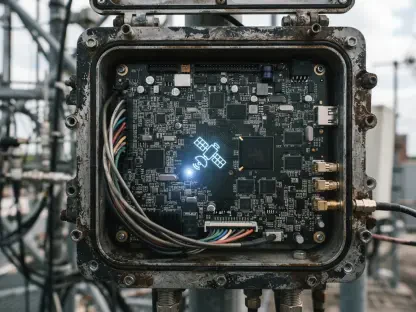
One of the most catastrophic effects of prolonged heat is the increased frequency of wildfires, which threaten both human life and ecological diversity. Traditional detection methods, such as satellite monitoring or fire towers, often fail to identify a blaze until it has already spread and produced significant smoke plumes visible from a distance. New IoT-driven systems utilize a mesh network of solar-powered sensors distributed across high-risk landscapes to detect the chemical signatures of combustion gases like carbon monoxide. This technology allows for the identification of a fire during its earliest stages, providing emergency responders with a crucial head start that can mean the difference between a minor brush fire and a regional disaster. These sensors are specifically designed to catch fires during the initial smoldering phase, often within minutes of ignition. By providing localized data, they allow for a more efficient allocation of firefighting resources to the most critical ignition points.
Because these sensors use specialized communication protocols, they can function effectively in remote areas that lack traditional cellular coverage or stable internet access. By transmitting data through mesh gateways to a cloud platform, the system ensures that firefighters receive alerts long before a blaze becomes unmanageable or reaches residential areas. This level of ultra-early detection is becoming a standard tool in protecting vulnerable ecosystems and communities from climate-driven disasters. Furthermore, the integration of geospatial intelligence allows commanders to visualize the predicted path of a fire based on real-time wind and temperature data. This holistic view of the battlefield enables more precise evacuation orders and more effective containment strategies. As these networks expand, they provide a pervasive safety layer that significantly reduces the environmental and economic toll of wildfires. The reliability of these systems in the harshest conditions makes them indispensable for the future of rural and forest management.
Implementing Scalable Solutions for a Hotter World
The primary challenge facing global leaders is the speed at which these solutions are implemented at scale across diverse urban and rural environments. To move from reactive fixes to proactive resilience, experts advocate for the widespread adoption of digital twins and artificial intelligence in urban planning. By integrating IoT sensor feeds with geospatial intelligence, cities can build virtual models of their infrastructure capable of simulating various thermal pressure scenarios. This allows planners to test the impact of extreme heat on building materials, energy consumption, and pedestrian safety before a single brick is laid. This data-driven approach ensures that investments in the energy transition provide long-term stability for both the environment and the public. By identifying the most effective interventions, governments can allocate their budgets more efficiently, targeting the most vulnerable areas first. This strategic layering of technology and policy creates a blueprint for a future where cities are built to thrive.
The successful integration of these technologies required a fundamental shift in how municipal leaders and private corporations viewed long-term capital investments. Prioritizing the deployment of interconnected sensor networks became the baseline for all new construction projects, ensuring that resilience was baked into the design rather than added as an afterthought. Engineers utilized the massive influx of real-time data to refine building codes, moving away from static historical standards toward dynamic models that accounted for the volatile climate of 2026 and beyond. This transition facilitated a more coordinated response between utility providers and emergency services, creating a unified front against the escalating threats posed by extreme thermal events. By adopting these digital frameworks, organizations transitioned from a state of constant crisis management to one of strategic endurance. These actions secured the continuity of essential services and provided a clear roadmap for other global regions to follow in their pursuit of climate-proof urban development.