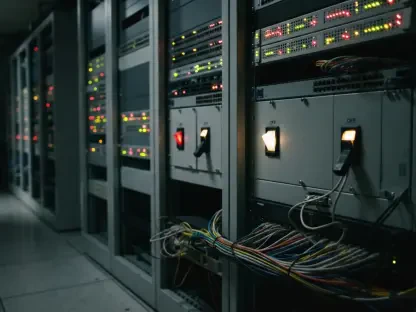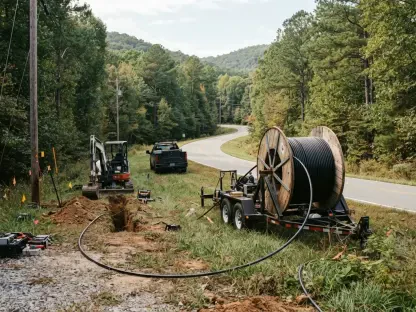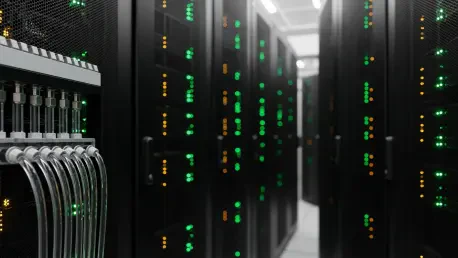

The hum of thousands of high-velocity cooling fans echoing through massive, windowless concrete structures across the American landscape marks a fundamental shift in how the modern digital economy sustains its insatiable appetite for computational power. For many years, these facilities operated as the invisible machinery of the internet, known primarily to specialized technicians and only noticed by the general public during infrequent service interruptions. However, the sudden and aggressive expansion of generative artificial intelligence has thrust these centers into the national spotlight, initiating a complex conversation about their scale and environmental footprint. These modern digital factories are no longer just technical hubs; they have become the primary engines of a significant economic transformation that challenges traditional infrastructure limits. As the industry pivots from simple storage to intensive AI processing, the physical footprint of these facilities is expanding in ways that force communities to weigh technological prestige against the practicalities of resource management and local sustainability.
Industrial Expansion and Financial Projections
The Rapid Construction and Physical Scale of New Facilities
The global data center landscape is undergoing a metamorphosis characterized by an unprecedented speed of construction and a significant increase in physical density. Currently, about one-third of the world’s 11,800 active facilities were commissioned within the last five years, reflecting a frantic race to provide the hardware necessary for advanced machine learning models. Unlike the traditional cloud facilities of the early decade, these new installations are designed to accommodate significantly higher power densities to prevent specialized chips from overheating during complex operations. In the United States, the average physical footprint and power capacity of these centers have tripled as developers prioritize massive “hyperscale” campuses that can house hundreds of thousands of servers. This evolution from small, decentralized nodes to massive industrial complexes signifies a shift toward a more centralized and power-hungry digital architecture that demands specialized engineering solutions and expansive tracts of industrial land.
This rapid physical expansion is mirrored by a staggering shift in global capital allocation, with investors and technology giants pouring trillions into the sector. Financial forecasts indicate that total spending on data center systems and infrastructure is on a trajectory to reach $6.7 trillion by 2030, a figure that highlights the perceived value of the AI economy. A vast majority of this capital, exceeding $5 trillion, is specifically earmarked for AI-specific hardware and specialized cooling systems that differ significantly from standard server configurations. This surge in investment represents a fundamental reordering of financial priorities among the world’s largest corporations, as they pivot away from software-only models to secure the physical assets required for future growth. The sheer magnitude of this spending is reshuffling the global supply chain, creating a massive demand for electrical components, construction materials, and high-end semiconductors that often outstrips the current production capacity of global manufacturers.
Local Employment and Wage Growth Trends
From a regional economic perspective, the proliferation of data centers serves as a catalyst for growth in areas that were previously disconnected from the high-tech corridor. Data from recent installations suggests that when a county welcomes its first large-scale data center, the surrounding area typically experiences a measurable increase in private-sector employment and a rise in average local wages. These facilities bring a diverse range of jobs, from high-level network engineering and cybersecurity roles to critical facility management and construction positions. The ripple effect of this employment growth often supports local service industries, as the influx of well-paid workers and contractors increases demand for housing, retail, and hospitality. For many rural or post-industrial communities, the arrival of a major data center campus offers a chance to diversify their economic base and move away from declining traditional industries, providing a new path to prosperity in the digital age.
Beyond the immediate creation of jobs, the presence of these massive facilities fosters a long-term shift in the local labor market toward technical specialization and digital literacy. As tech giants establish long-term operations, they often partner with local community colleges and vocational schools to develop training programs tailored to data center operations. This collaboration creates a pipeline of skilled workers who are equipped with the technical knowledge required to maintain complex electrical systems and sophisticated cooling infrastructure. Over time, this leads to a “halo effect” where other technology firms are drawn to the region to tap into the newly skilled workforce, further cementing the area’s reputation as a tech hub. This geographic expansion of the technology sector is helping to decentralize the industry, moving high-paying roles out of traditional coastal hubs and into the heartland, thereby reducing regional economic disparities and creating a more resilient and distributed national workforce.
The Escalating Strain on Public Infrastructure
Electricity Demand and the Burden on Utility Rates
The most immediate and visible challenge associated with this rapid expansion is the intense pressure it places on the nation’s electrical grid, leading to rising costs for everyday consumers. As data centers consume a larger share of the total energy supply, utility companies are forced to accelerate the construction of new power plants and high-voltage transmission lines to keep up with the load. These massive infrastructure projects require billions of dollars in capital, and the costs are frequently passed on to residential ratepayers through increased monthly utility bills. This creates a difficult economic dynamic where local families and small businesses may end up subsidizing the massive power requirements of global technology corporations. The challenge of balancing the needs of a power-hungry industry with the necessity of maintaining affordable energy for the public has become a central point of contention in state legislatures and utility commissions across the country.
This phenomenon is particularly evident in regions like Northern Virginia, which currently hosts the highest concentration of data centers on the planet. In these specialized corridors, the data center industry already accounts for a staggering twenty-five percent of the state’s total power consumption, and that number is expected to double by the turn of the decade. Such a concentrated demand for electricity forces local utilities to maintain older, fossil-fuel-based power plants longer than originally planned, complicating efforts to transition to renewable energy sources. Furthermore, the sheer volume of power required by these campuses can occasionally threaten grid stability during peak usage hours, leading to concerns about reliability for the broader population. The intense competition for energy resources in these areas has turned the data center boom into a test case for how modern societies can support rapid technological advancement without compromising the financial security or the energy stability of the surrounding local communities.
Environmental Impact on Water Resources
In addition to their massive electricity requirements, data centers impose a substantial burden on local water resources, utilizing billions of gallons annually to regulate the temperature of their server arrays. Many of these facilities rely on evaporative cooling systems, a method that is effective at dissipating heat but essentially consumes the water by turning it into vapor that is released into the atmosphere. This consumption is particularly problematic because the water is not returned to the local watershed or wastewater system for treatment and reuse. In regions where water scarcity is already a concern, the massive intake required by a single data center campus can equal the water usage of several thousand homes. This puts the industry in direct competition with agricultural interests and municipal needs, sparking intense debates over how water rights should be prioritized when a global tech giant enters a community facing recurring drought or limited aquifer capacity.
The environmental tension is heightened when developers choose to build in arid or drought-prone climates where solar energy might be abundant but water is a precious and finite resource. While some companies have begun to experiment with water-less cooling technologies or recycled greywater systems, the high cost and lower efficiency of these alternatives mean that traditional freshwater cooling remains the industry standard. This reliance on local water supplies has led to increased scrutiny from environmental advocacy groups and local governments, who are now demanding more transparent reporting on water usage and more aggressive conservation targets. As the demand for AI processing continues to climb, the industry faces a critical turning point where it must innovate its cooling strategies or face increasing regulatory hurdles and public opposition. Ensuring that the digital revolution does not come at the expense of local water security has become a defining challenge for facility operators who must operate in an era of heightened environmental awareness.
Public Health Risks and the Economic Trade-off
To mitigate the risks associated with an overburdened or aging power grid, many data center operators have turned to installing massive on-site backup power systems, including large gas turbines and diesel generators. While these systems provide the reliability necessary for continuous AI operations, they introduce significant new concerns regarding local air quality and public health. These on-site power plants emit fine particulate matter and nitrogen oxides, pollutants that have been scientifically linked to a range of respiratory conditions and cardiovascular diseases. In high-density data center corridors, the cumulative emissions from hundreds of these backup units can contribute to a measurable decline in air quality, leading to millions of dollars in annual health-related damages for the surrounding population. The localized nature of this pollution means that the neighborhoods closest to these industrial sites bear the brunt of the health risks while the benefits of the technology are distributed globally.
The trade-off between massive corporate investment and these localized social costs presents a stark dilemma for modern policymakers and residents alike. While the industry provides significant tax revenue that can fund schools and local infrastructure, the “hidden” costs of increased medical expenses, rising utility rates, and environmental degradation can offset these gains for many citizens. Public health studies in areas with high data center density have begun to project increases in annual mortality rates and a higher prevalence of chronic illnesses attributed to industrial emissions. This creates a situation where the economic prosperity promised by the tech boom is increasingly weighed against the physical well-being of the community. Finding a sustainable middle ground—where the industry can continue to grow without sacrificing the health of its neighbors—remains the most critical challenge for the sector as it matures. Addressing these concerns will require a combination of stricter emission standards, more efficient power technologies, and a fundamental rethink of how these facilities integrate into the communities they inhabit.
The evolution of the data center industry from a background service to a central economic powerhouse provided a clear demonstration of how rapidly technology can reshape physical landscapes and social structures. As the initial excitement of the AI surge transitioned into a more sober assessment of its resource requirements, stakeholders recognized that the previous models of unchecked expansion were no longer viable in a resource-constrained environment. Developers began prioritizing the implementation of circular cooling systems and integrated heat recovery technologies that allowed the waste energy from servers to heat nearby residential buildings or greenhouses. Policy experts also advocated for the decoupling of industrial and residential utility rates to ensure that the infrastructure costs of the digital boom were borne by the corporations driving the demand rather than the average taxpayer. These changes established a new standard for corporate responsibility, emphasizing that the success of the digital future depended on the stability and health of the physical communities that supported it. Moving forward, the focus shifted toward decentralized microgrids and advanced liquid cooling that minimized the strain on public water and power systems. By integrating these solutions, the industry moved toward a more harmonious existence with its surroundings, proving that technological progress did not have to result in the depletion of vital public resources.