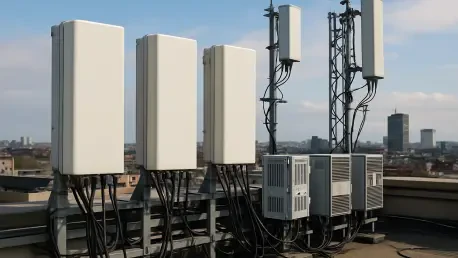
The Open RAN honeymoon is over . For years, the telecom industry has championed its promise of a flexible, innovative, and vendor-agnostic future. The theory was compelling: disaggregate hardware and software, open the interfaces, and watch a new ecosystem flourish. But theoretical benefits do not

Imagine this: a telecommunications sector that's powered up efficiently and resiliently by artificial intelligence, with minimal risk or friction. That future isn't as far away as you might think. The telecom industry is moving past its experimental phase with artificial intelligence, switching

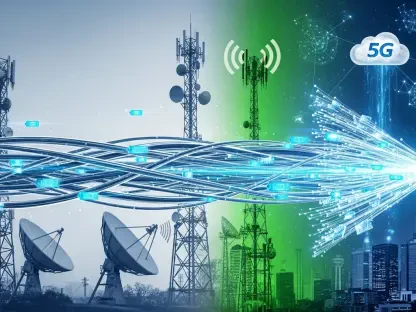
The global telecommunications industry shows some great focus for maximizing its massive investments in 5G. But while operators work to deploy networks and enterprises seek to gain returns from them, a more strategic competition is already starting to define the next decade of networking: the race

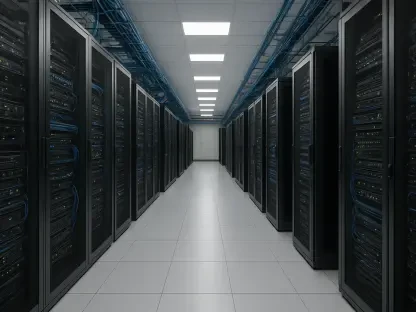
Every online save, search, and AI query depends on servers and data storage. As technology advances, the growth of facilities that support this infrastructure will likely change entire industries. New developments in the digital economy are driving a significant increase in both demand for and

Telecom networks underpin modern business, yet they draw enormous amounts of electricity and generate mountains of e‑waste. Extreme weather regularly disrupts cables and data centers, and energy crises highlight the fragility of networks reliant on fossil fuels. In this environment, B2B customers

As 5G, IoT, AI, and edge computing mature, telecom leaders are under pressure to convert massive digital investments into measurable business value. Yet many remain trapped by legacy systems and fragmented ecosystems that stall innovation. This article explores the strategic shifts transforming