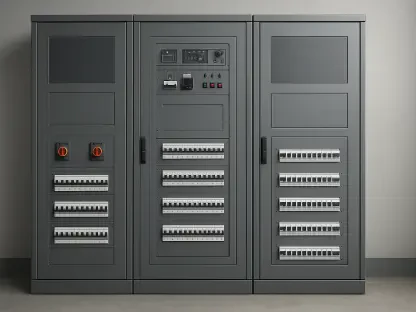

Broadcasters throughout the United States are currently facing an unprecedented logistical crossroads as the historical reliance on satellite distribution gives way to a more agile, software-centric paradigm. The recent evolution of the Quortex PowerVu platform by Synamedia serves as a definitive response to these pressures, offering a streamlined pathway from aging C-band satellite systems to IP-native video distribution. This transition represents more than just a technological swap; it addresses the core inefficiencies inherent in legacy workflows that have traditionally demanded massive on-premises infrastructure. By shifting toward a cloud-native, software-based architecture, media organizations can now consolidate their operations and reduce the overall complexity of their delivery chains by approximately 80 percent. This modernization is becoming essential as affiliates and national networks seek to remain competitive in a landscape where speed and flexibility are the primary currencies. The solution utilizes sophisticated edge processing to manage high-quality video feeds, ensuring that the migration to IP does not sacrifice the reliability that viewers expect from traditional broadcast television.
Decentralization through Edge Computing Strategies
Building on this foundation of modernization, the decentralization of content management has emerged as a critical driver for operational efficiency within the media sector. In the traditional distribution model, local affiliates were burdened with the task of manually decoding and re-encoding national feeds using a complex array of hardware before they could deliver content to their specific markets. This bottleneck is now being bypassed through the implementation of Media Edge Gateways situated directly at the affiliate stations. By delivering national feeds via a robust Content Delivery Network, the platform enables an edge playout approach that allows stations to create localized linear services with minimal latency. This capability proves particularly vital during breaking news events or sudden schedule changes, as it empowers local operators to respond dynamically without the constraints of multiple, disconnected scheduling systems. Consequently, national content owners maintain comprehensive end-to-end oversight while granting local affiliates the necessary autonomy to serve their unique audiences.
Economic Viability and Revenue Optimization
The strategic shift toward cloud-managed, IP-based systems naturally leads to substantial economic benefits that extend far beyond simple hardware reduction. By eliminating traditional vendor lock-in and significantly lowering energy consumption at the edge, broadcasters positioned themselves to save millions of dollars in annual operating expenses from 2026 through the end of the decade. Furthermore, the platform unlocked sophisticated monetization features that were previously difficult to implement across fragmented local markets. Enhanced tools for dynamic ad insertion and precise promotional control allowed for targeted messaging that increased the value of every commercial break. To maximize these advantages, media executives sought to integrate industry standards that support resilient hybrid networks, ensuring high availability during the ongoing migration from C-band. Broadcasters moved toward adopting unified frameworks that prioritize scalability and regional customization. For those still operating on legacy systems, the immediate priority became auditing existing satellite contracts and mapping out a phased transition to software-defined gateways to ensure long-term sustainability and growth.