
By mid-2026, 4G technology remained the dominant force in the Nigerian market, accounting for over fifty-four percent of all mobile connections. This statistic highlights the steep climb ahead for the nation as it attempts to pivot toward a more sophisticated fifth-generation (5G) telecommunications standard. As Africa’s most populous country and its largest mobile market, Nigeria’s transition is far more than a simple technical upgrade; it represents a strategic maneuver to revitalize a digital economy that has often been hampered by inconsistent connectivity. The Nigerian Communications Commission is currently spearheading a massive effort to expand spectrum capacity, yet the path is fraught with complexities. Beyond the promise of ultra-high-speed internet, the nation must contend with deep-seated socioeconomic hurdles, ranging from a fragile physical infrastructure to the prohibitive cost of compatible hardware. This shift is a critical test for how a continental giant balances its vast technological ambitions with the grounded economic realities of its diverse population.
Expanding Capacity and Immediate Gains
The most visible benefit of the ongoing shift toward 5G is the promise of faster and more reliable connections in a market where digital congestion is a common occurrence. In dense urban centers like Lagos and Abuja, the additional capacity is expected to facilitate smoother video conferencing, faster download speeds, and consistent high-definition streaming for millions of users. This improvement is particularly vital for professional sectors that rely on low-latency connections, such as the burgeoning financial technology industry and real-time equity trading platforms. Beyond the immediate convenience for consumers, the rollout is envisioned as a foundational catalyst for a much wider digital economy. By providing the high-speed backbone necessary for complex applications, Nigeria is positioning itself to implement sophisticated solutions like telemedicine, virtual classrooms, and real-time logistics management. These advancements are not merely luxury upgrades but essential tools for modernizing public services and driving industrial efficiency across the West African region.
Strategic Spectrum Management: Earmarking the 6GHz Band
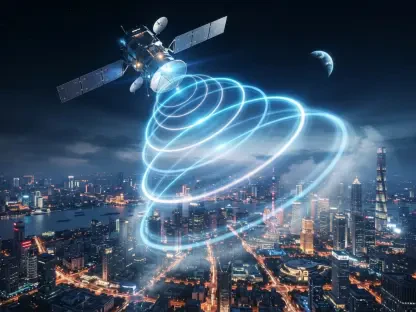
A central theme in Nigeria’s telecommunications roadmap involves the proactive and aggressive management of radio frequency spectrum to accommodate a massive surge in data consumption. To meet the requirements of a rapidly digitizing society, the Nigerian Communications Commission has officially earmarked the upper 6GHz band, specifically the 6425 to 7125MHz range, for mobile network expansion. This specific allocation is designed to provide telecommunications operators with the necessary breathing room to manage heavy traffic loads without the interference that often plagues lower frequency bands. Looking toward the horizon of 2030, the government plans to significantly increase the total available spectrum, ensuring the country remains a competitive hub for global innovation. By opening these new lanes of digital traffic, the nation is creating a dual-layered approach that facilitates better cellular performance while also supporting license-exempt Wi-Fi usage for local homes and businesses.
The strategic release of the 6GHz band is expected to generate a ripple effect across various sectors, enabling the high-density connectivity required for smart city initiatives and advanced industrial automation. As mobile network operators integrate this new spectrum into their existing grids, the quality of service for the average consumer should stabilize even as the total number of connected devices continues to climb. This focus on long-term spectrum availability serves as a signal to international investors that Nigeria is committed to maintaining a stable and scalable digital environment. Moreover, the move aligns with global telecommunications standards, ensuring that hardware manufacturers can easily tailor their products for the Nigerian market. By prioritizing the upper frequency ranges now, the commission is effectively future-proofing the network against the inevitable data demands of the next decade, allowing for a more seamless integration of internet-of-things devices and high-bandwidth entertainment services.
Physical Backhaul Vulnerabilities: Solving the Fiber Crisis
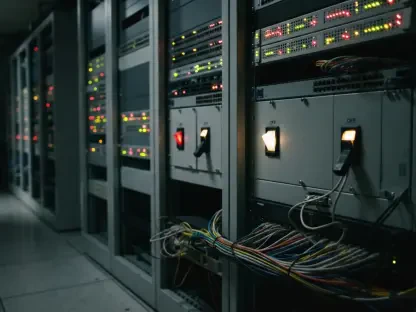
Industry analysts frequently point out that simply making more spectrum available will not rectify the underlying structural deficiencies that continue to plague the telecommunications sector. The country faces a daunting infrastructure deficit, characterized by more than 1,600 fiber-optic cable cuts and over 500 significant network outages reported each month. These disruptions are often the result of construction accidents, intentional vandalism, or extreme weather events, and they collectively impact tens of millions of mobile users. While 5G technology offers superior wireless transmission speeds between the user and the tower, it remains heavily dependent on a physical backhaul of fiber-optic cables and a consistent supply of electricity. Without a more resilient physical grid and a stabilized power network, the theoretical benefits of high-speed 5G spectrum may remain largely inaccessible to a significant portion of the population, regardless of how many new bandwidth licenses are issued by the government.
Another layer of complexity is the widening digital divide that separates commercial hubs from the vast rural heartlands where infrastructure is often non-existent. Current investment is heavily concentrated in high-yield areas such as Lagos and Rivers State, where the return on investment for telecommunications companies is most immediate and predictable. Performance reports indicate that users in these metropolitan zones experience network reliability that is nearly forty percent higher than those residing in northern or rural communities. This geographic disparity is reflected in adoption trends; even in cities where coverage is available, actual utilization is often hampered by poor indoor penetration and a reliance on older 2G or 3G networks for basic voice services. Bridging this gap requires a decentralization of capital investment and a coordinated effort to protect existing assets from theft and damage. Only by addressing these physical bottlenecks can the nation ensure that the 5G revolution reaches beyond the wealthy urban elite to include the underserved heartlands.
Strategic Next Steps for Sustainable Connectivity
The transition toward a 5G-connected society represented a watershed moment for the digital economy, yet the actual success of the initiative depended on addressing deep-seated systemic vulnerabilities. Policymakers and private sector leaders recognized that releasing more spectrum was only the first step in a much longer journey toward true digital inclusivity for all citizens. To ensure that 5G did not become a tool of further social stratification, stakeholders prioritized the protection and expansion of fiber-optic backbones and stabilized the power supply needed to maintain constant tower uptime. Furthermore, the introduction of innovative financing models and local assembly initiatives for mobile devices helped mitigate the impact of foreign exchange volatility on consumer prices. By focusing on these foundational issues rather than just peak speeds, the nation moved closer to a reality where high-speed connectivity served as a universal utility. Ultimately, the lessons learned from this era highlighted that technological progress is only as strong as the infrastructure and economic accessibility that support it.