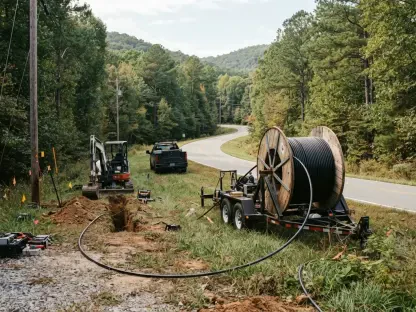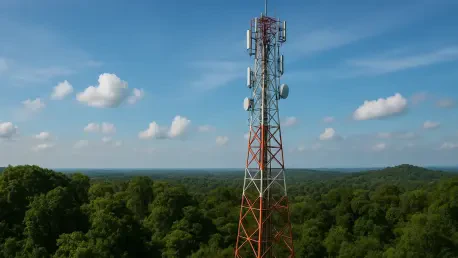

Industry accolades for speed and rollout efficiency reflect a systematic approach to overcoming the logistical challenges of nationwide telecommunications expansion. While the regional landscape for high-speed connectivity remains competitive, the recent announcement that 90% of the populated area is now covered by a robust 5G signal marks a pivotal moment for the industry. This milestone, reached significantly ahead of the original July 2027 deadline, demonstrates a departure from traditional, slower-paced infrastructure cycles. By completing this coverage obligation nine months early, the focus shifts from basic connectivity to the implementation of the national Dual 5G Network Model. This structural shift is designed to foster a more resilient telecommunications ecosystem, ensuring that both urban centers and rural districts gain access to high-bandwidth services simultaneously. The speed of this deployment has effectively set a new benchmark for how private entities can align with national digital agendas to drive economic growth through improved digital accessibility.
Accelerating Infrastructure: Strategic Milestones and Regulatory Collaboration
The trajectory of this rollout began in earnest in July 2025, setting the stage for a rapid series of achievements that defied early skeptical projections. By March 2026, the first major hurdle of 80% coverage was surpassed, three months ahead of the anticipated timeframe. Such momentum was not a product of luck but resulted from a highly coordinated effort involving government bodies, regulatory authorities, and key infrastructure partners. This collaborative framework allowed for the streamlining of permit processes and the efficient sharing of existing tower assets, which drastically reduced the time required for site acquisition. Recognition from the Malaysia Book of Records further validates the technical rigor applied during this phase. High-ranking government officials noted that the promptness of this expansion was critical for the broader digital transformation strategy, providing a stable environment for local businesses to invest in digital-first operations, knowing the underlying network was prepared to handle high volumes of data traffic.
Technological Evolution: Beyond Coverage to Industrial Integration
Connectivity was only as useful as its reliability, which is why the focus expanded to include over 250 specialized in-building coverage sites to eliminate indoor dead zones. This commitment to quality helped secure the title of the fastest 5G network from Ookla, proving that speed did not have to be sacrificed for broad reach. In the period spanning from 2026 to 2028, the industry pivoted toward 5G-Advanced and AI-integrated solutions to maintain a competitive edge. Enterprises prioritized the adoption of private 5G slices for industrial automation and real-time data processing, as these technologies became practically accessible. The shift to a more sophisticated network architecture required ongoing investment in local talent and a willingness to experiment with emerging use cases in manufacturing and healthcare. By treating the coverage success as a foundation rather than a final destination, stakeholders ensured that the digital economy remained adaptive to the next generation of technological disruptions and future-proofed the infrastructure.