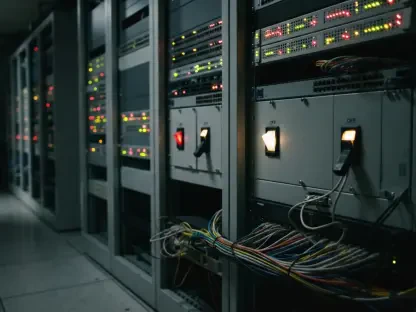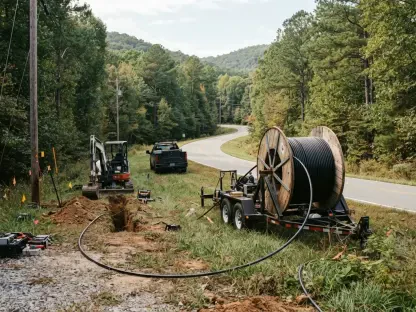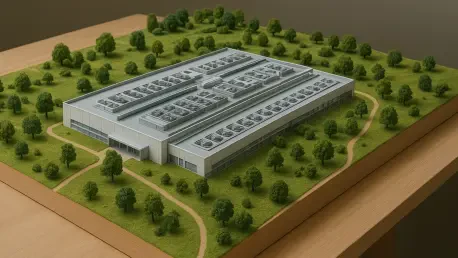

The discrepancy between modern data center scale and existing zoning categories has forced a reconsidering of industrial development in the Rural Hall area. As local governments grapple with the rapid expansion of high-tech infrastructure, the tension between economic progress and community preservation has reached a boiling point in North Carolina. Commissioner Dan Besse is set to propose a formal moratorium on new data center developments during a scheduled briefing on September 28. This move signals a significant shift in how the county intends to manage large-scale industrial projects that often consume vast amounts of energy and water. The debate is not merely about land use but about the fundamental identity of the region, as residents in the Rural Hall area have increasingly voiced their opposition to the encroachment of massive server farms into their quiet neighborhoods. The outcome of this proposal will likely set a precedent for other counties facing similar pressures from the booming tech sector across the Southeast.
Addressing the Regulatory Vacuum
Limitations of the Current Zoning Framework
Under the existing regulatory landscape, data centers in Forsyth County are primarily categorized under the broad “Services, A” classification. This designation was originally intended for a wide variety of commercial activities, but it has proven woefully inadequate for managing the unique footprint of modern hyper-scale data facilities. Currently, this classification allows for projects to be approved through a simple administrative staff review in most nonresidential districts, effectively bypassing the rigorous public scrutiny and environmental impact assessments that large-scale industrial developments typically require. The lack of specific standards for noise mitigation, thermal output, and resource management has created a loophole that developers have been eager to exploit. This streamlined process, while efficient for smaller business operations, fails to account for the massive physical structures and intensive utility requirements that define the current generation of data processing hubs.
Legal Challenges and Policy Implementation
Implementing a temporary pause on development is viewed by many as a necessary step to reconcile these outdated codes with contemporary industrial realities. The proposed moratorium would provide county officials with the necessary time to draft precise definitions and tailored development requirements that specifically address the nuisances associated with data centers. However, this legislative path is fraught with legal complexities, particularly regarding state-level restrictions on local zoning amendments that may limit the county’s ability to impose new burdens on property owners. Planners are now tasked with creating a robust legal framework that can withstand challenges while ensuring that any future data center construction adheres to strict performance standards. This includes mandatory noise buffering and sustainable water cooling practices that were previously omitted from the “Services, A” category, ensuring that new projects align with long-term regional goals.
Community Resistance and Economic Tradeoffs
Evaluating the Impact of the Drox Group Rejection
The catalyst for this sudden legislative pivot was the high-profile rejection of a 129-acre data center project proposed by the Drox Group in July. Despite the developer’s promises that the facility would generate nearly $80 million in tax revenue over the next decade, the Board of Commissioners voted 5-2 against the rezoning application. This decision reflected a growing skepticism toward the purported economic benefits of data centers, which often provide significant tax income but offer relatively few permanent jobs compared to the massive amount of space they occupy. Community members argued that the immediate environmental and social costs—such as the depletion of local water tables and the persistent low-frequency hum of cooling fans—outweighed the long-term financial gains. The rejection underscored a shifting priority within local government, where the preservation of the rural character and the quality of life for residents are beginning to take precedence.
Strategic Recommendations for Sustainable Development
The debate over the moratorium in Forsyth County highlighted the critical need for local governments to modernize their regulatory toolkits in the face of rapid technological advancements. Officials realized that relying on broad zoning categories was no longer a viable strategy for managing the complex demands of the data industry. To move forward, the county adopted a multi-layered approach that prioritized transparent environmental impact reporting and mandatory community engagement sessions for all large-scale infrastructure projects. This shift encouraged developers to explore brownfield sites and existing industrial corridors rather than expanding into sensitive rural zones. Furthermore, the implementation of tiered taxation models based on resource consumption helped align fiscal goals with sustainability targets. By establishing these clear, enforceable standards, the county provided a blueprint for balancing technological growth with the fundamental right of residents to maintain their local heritage.