
The transition from voice-centric 2G networks is losing momentum as 4G becomes a permanent ceiling for the majority of the Nigerian mobile subscriber base. This development marks a significant crossroads in the nation’s technological journey, where the ambitious rollout of fifth-generation (5G) connectivity is meeting stiff resistance from entrenched economic and structural realities. While the Nigerian Communications Commission and major industry players have positioned 5G as the vital engine for a modern digital economy, the reality on the ground paints a picture of a tiered society where high-speed internet is increasingly becoming a luxury reserved for the few. This stagnation is not due to a lack of technical capability or corporate will, but rather a perfect storm of declining consumer purchasing power and the sheer logistical difficulty of deploying cutting-edge hardware in an environment where basic infrastructure remains inconsistent. As the gap between the promise of ultra-fast data and the lived experience of the average citizen widens, the telecommunications sector must confront the possibility that 4G might remain the primary standard for the foreseeable future, leaving 5G in a state of niche adoption.
The Shift: Legacy Networks to 4G Dominance
The trajectory of mobile connectivity in Nigeria has undergone a massive transformation in the last few years, characterized by a slow but steady departure from 2G dominance. In the recent past, second-generation technology served as the backbone of the mobile ecosystem, facilitating basic voice and text services for over half of the population. However, by 2026, the landscape has seen 4G emerge as the clear leader, capturing more than 54 percent of the market as consumers demand more data for social media, streaming, and business applications. While this migration away from voice-only services is a positive indicator of modernization, it has revealed a surprising trend: the transition seems to have stalled at the 4G level. Instead of users moving fluidly from 4G to 5G, they are remaining on 4G indefinitely, treating it as the ultimate destination rather than a stepping stone. This behavior suggests that 4G provides a sufficient balance of speed and affordability, whereas 5G currently offers marginal benefits compared to the significant additional investment required from the end-user.
This market saturation at the 4G level has left 5G with a statistically marginal footprint, hovering at just under five percent of total connections nationwide. This slow growth rate is particularly telling when compared to the initial projections provided by industry analysts who expected a more aggressive uptake following the initial spectrum auctions. The current data reflects a market where the average subscriber is prioritize price over performance, especially as inflation impacts the cost of data bundles. Furthermore, the persistent presence of 2G connections at around 36 percent indicates that a substantial portion of the population has yet to even make the jump to 4G, let alone consider the possibilities of 5G. This creates a highly fragmented market where telecommunications operators must maintain three or four different generations of technology simultaneously, which dilutes their ability to focus resources on a comprehensive 5G rollout. Consequently, 5G remains a service primarily utilized by the urban corporate sector and the wealthy, failing to achieve the mass-market penetration necessary for a digital revolution.
Financial Barriers: The Cost of High-End Hardware
A primary deterrent for the widespread adoption of 5G remains the prohibitive cost of compatible smartphones, which has only increased due to global and local economic pressures. Unlike previous generational shifts where mid-range phones could eventually support new network standards, 5G hardware requires expensive, specialized components that significantly drive up the retail price. In Nigeria, where the local currency has faced continued volatility against the dollar, the cost of importing these advanced devices has soared, placing them far out of reach for the typical household. Even as major operators like MTN and Airtel attempt to introduce device financing and subsidy programs, the sheer scale of the affordability gap is too large to be bridged by corporate incentives alone. For many Nigerians, the price of a 5G-enabled device can represent several months of average income, making the upgrade a financial impossibility rather than a lifestyle choice.
The global semiconductor market has further complicated this issue, as the surge in demand for high-performance memory chips for artificial intelligence data centers has squeezed the supply available for mobile manufacturers. This global competition for components has led to a noticeable spike in the prices of popular brands such as Tecno, Infinix, and Oppo, which were traditionally the go-to options for budget-conscious Nigerian consumers. When the cost of an entry-level smartphone rises by 20 or 30 percent in a single year, the primary concern for the consumer shifts from “fastest speeds” to “functional reliability.” This economic environment has effectively frozen the device market, with many users opting to repair their older 4G phones rather than investing in new 5G hardware. Without a dramatic reduction in device prices or a major shift in the local economic climate, the hardware barrier will continue to serve as a gatekeeper that keeps the benefits of 5G technology locked away from the broader population.
Infrastructure Gaps: Reliability and Coverage Issues
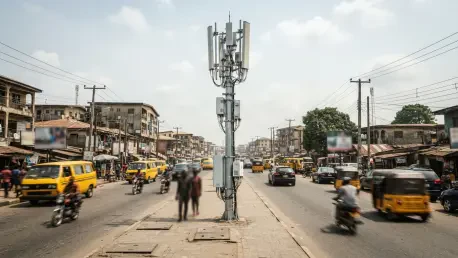
Even for those fortunate enough to own 5G-capable devices, the actual user experience in Nigeria often fails to live up to the hype due to significant coverage gaps. While 5G signals are technically present in major urban centers like Lagos, Abuja, and Port Harcourt, the availability of a stable connection is remarkably inconsistent. Data shows that users in these high-priority zones often spend less than half of their browsing time on a 5G signal, with their devices frequently defaulting back to 4G or even 3G due to poor signal penetration. This “patchy” coverage is partly a result of the physics of 5G itself; the high-frequency waves used for ultra-fast speeds have a shorter range and struggle to pass through buildings and other physical obstructions compared to 4G signals. To achieve true reliability, operators would need to install a much higher density of base stations, a task that is currently hampered by bureaucratic hurdles and the high cost of securing urban real estate for infrastructure.
The lack of reliability diminishes the value proposition for potential 5G subscribers, who find little reason to pay a premium for a service that is only available in specific pockets of a city. When a consumer experiences a dropped connection or a sudden slowdown during a critical video call or a large file transfer, the technical superiority of 5G becomes irrelevant. This infrastructure paradox creates a cycle of consumer skepticism; as long as the network remains unreliable, users will not switch, and as long as user numbers are low, operators find it difficult to justify the massive capital expenditure required to densify the network. This has led to a situation where 5G is seen more as an occasional “burst” of speed rather than a dependable daily utility. Until there is a more comprehensive and robust deployment that ensures a seamless handoff between cells, 5G will struggle to be viewed as a necessary upgrade over the more stable 4G networks that currently cover most of the country.
Operational Obstacles: The Reality of Site Maintenance
Telecommunications operators in Nigeria face some of the highest operational expenditures in the world, which directly impacts their ability to expand 5G coverage into less profitable areas. The cost of running a single telecommunications site in Nigeria is estimated to be several times higher than in other emerging markets like India or China. A significant portion of this expense is attributed to the chronic instability of the national power grid, which forces operators to rely on expensive diesel generators to keep their sites operational 24 hours a day. With 5G equipment requiring more power than previous generations, the fuel consumption and maintenance costs for these sites have skyrocketed. When an operator is spending upwards of $3,000 per month on a single location, the revenue generated from a handful of local 5G users is nowhere near enough to cover the overhead, leading to a cautious and slow-paced expansion strategy.
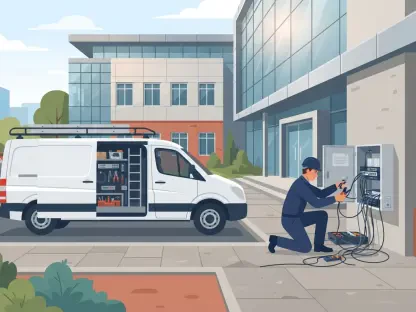
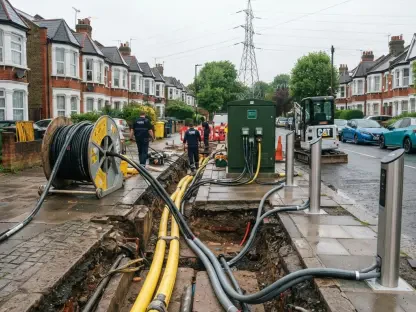
In addition to power concerns, the logistical challenges of site security and transmission further inflate the cost of doing business. Operators must often invest in private security and sophisticated monitoring systems to protect expensive 5G equipment from theft and vandalism, costs that are not as prevalent in more stable regulatory environments. Furthermore, the terrestrial fiber-optic backhaul required to support the massive data throughput of 5G is still being laid across much of the country, leading to expensive bottlenecks. When the cost of maintaining the network is so high, those expenses are inevitably passed on to the consumer in the form of higher data prices, which further alienates the mass market. This environment has forced providers to focus their 5G investments exclusively on high-traffic, high-income neighborhoods where the potential for return on investment is immediate, effectively leaving the rest of the country in a digital waiting room.
Digital Inclusion: Navigating the Socio-Economic Divide
The slow adoption of 5G technology has profound implications for Nigeria’s broader goals of socio-economic development and digital inclusion. 5G was envisioned as more than just a tool for faster browsing; it was meant to provide the low-latency infrastructure required for advanced services like telehealth, high-definition digital education, and complex mobile banking systems. As 5G remains restricted to a small elite, there is a growing risk that the digital divide will become a permanent feature of the Nigerian economy. Lower-income citizens and those living in peri-urban or rural areas are being left with slower, less efficient tools for participation in the global marketplace. This disparity limits the potential for local innovation and prevents the workforce from gaining the high-tech skills necessary to compete in an increasingly data-driven international job market, potentially stifling economic growth for years to come.
Furthermore, the concentration of 5G in wealthy urban centers risks exacerbating regional inequalities. While businesses in central Lagos might benefit from cutting-edge connectivity to streamline their operations, enterprises in smaller cities and rural communities remain hindered by aging 3G and 4G infrastructure. This creates an uneven playing field for entrepreneurs and small business owners who rely on digital platforms to reach their customers. While international organizations and local regulators have launched initiatives to encourage the production of budget-friendly 5G devices, these efforts often struggle against the headwinds of high import duties and global supply chain disruptions. If 5G does not become accessible to the middle and lower-income classes, the promised digital transformation of Nigeria will remain an incomplete project, benefiting only those who are already at the top of the economic ladder while leaving the majority of the population to navigate an increasingly complex world with outdated tools.
Breaking Stagnation: Future Strategic Requirements
To overcome the current hurdles, industry experts have identified several critical steps that were necessary for revitalizing 5G penetration across the country. One of the most urgent requirements involved a shift in how the government and regulatory bodies viewed telecommunications infrastructure. Stakeholders argued that treating 5G as a public utility rather than a luxury service could unlock significant tax incentives and reduce the financial burden on operators. By lowering import duties on 5G-capable components and providing subsidies for local assembly plants, authorities sought to make hardware more affordable for the general public. Additionally, policies that encouraged infrastructure sharing between competing carriers were seen as a way to reduce the redundant costs of site maintenance, allowing for a more efficient and widespread rollout that reached beyond the traditional urban hubs.
Furthermore, the transition toward sustainable energy solutions was highlighted as a game-changer for lowering operational costs. Operators began exploring the large-scale deployment of solar-powered base stations and high-capacity battery storage to reduce their dependence on expensive diesel generators. This move not only promised to lower the monthly overhead per site but also aligned the telecommunications sector with global green energy trends. Industry leaders also emphasized the importance of aggressive fiber-optic expansion to provide the necessary backhaul for high-speed data. By addressing the root causes of network unreliability and high costs, these strategies aimed to create a more hospitable environment for 5G to flourish. Ultimately, the successful integration of 5G into the daily lives of Nigerians depended on a unified approach that balanced technological ambition with the immediate economic realities of the population.