
The rapid expansion of fifth-generation mobile technology has finally reached a critical tipping point where cellular networks are now capable of outperforming traditional wired infrastructure in both speed and reliability across the United Kingdom. This transition represents a fundamental change in how digital services are delivered to the residential market, as millions of households now gain access to high-speed connectivity without the logistical hurdles of fiber installation. The deployment focuses on utilizing the robust 5G Standalone network, which provides more consistent throughput and lower latency than previous hybrid iterations. For the average user, this means that the digital divide is narrowing significantly, especially in areas where laying physical cables was once considered economically unfeasible or structurally impossible. By leveraging existing mast infrastructure, the rollout ensures that high-bandwidth activities like 8K video streaming and cloud-based computing become accessible to a much broader demographic than ever before.
Technological Foundations: The Shift to Standalone 5G
The core of this connectivity revolution lies in the implementation of 5G Standalone architecture, which differs from earlier versions by functioning independently of legacy 4G core networks. This specialized infrastructure allows for network slicing and more efficient data management, ensuring that home broadband users receive a dedicated portion of the spectrum that remains stable even during peak usage hours. The technical superiority of this system is evident in its ability to support massive machine-type communications and ultra-reliable low-latency connections, which are essential for the modern smart home ecosystem. Unlike traditional broadband which can suffer from signal degradation over long copper lines, the 5G signal maintains a high level of integrity as it travels through the air to a localized receiver. This results in a more predictable user experience, where download speeds consistently rival or exceed those found in standard fiber-to-the-cabinet configurations across the country.
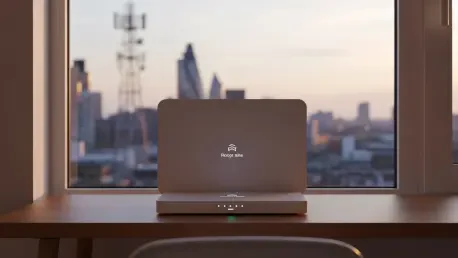
Central to the user experience is the introduction of advanced hardware solutions such as the latest GigaCube routers, which act as the bridge between the external 5G signal and the home local area network. These devices are engineered with high-gain internal antennas that can capture signals from distant masts with remarkable precision, converting cellular waves into high-capacity Wi-Fi 6 signals for multiple devices. The simplicity of this “plug and play” model removes the need for professional installation, as users can simply insert a SIM card and power on the device to gain immediate internet access. Furthermore, these routers are designed to handle high device density, making them ideal for households with numerous connected gadgets ranging from smartphones to smart appliances. By optimizing the handoff between different frequency bands, the hardware ensures that the connection remains robust against interference, providing a seamless transition for families moving away from conventional fixed-line contracts.
Market Dynamics: Economic Impact and Accessibility
The introduction of 5G home broadband creates a more competitive landscape by offering a flexible alternative to long-term fiber contracts that often include expensive installation fees and rigid service terms. This flexibility is particularly advantageous for the growing population of urban renters who may move frequently and cannot commit to the eighteen-month or twenty-four-month cycles typical of traditional internet service providers. By offering rolling monthly contracts or shorter commitment periods, the service aligns with the modern gig economy and nomadic professional lifestyles. Additionally, the economic impact extends to rural communities where the cost of trenching fiber has historically left many residents with subpar connectivity options. The ability to broadcast high-speed signals over several miles from a single tower provides a cost-effective solution for closing the rural-urban digital gap. As more providers enter this space, the downward pressure on pricing will likely benefit all consumers through more diverse service tiers.
The successful deployment of this wide-reaching 5G network across the UK provided an essential blueprint for future telecommunications strategies that prioritize agility over physical hardware. Stakeholders recognized that the integration of 5G Standalone technology was not merely an incremental upgrade but a necessary foundation for the next decade of digital evolution. To maximize the benefits of this transition, users sought out specific locations within their residences to place receivers, often favoring higher elevations or proximity to windows to ensure peak signal reception. Local authorities and urban planners coordinated with network engineers to streamline the placement of small cell towers, which further enhanced the density and reliability of the coverage in high-traffic districts. Moving forward, it became clear that optimizing home networks through mesh Wi-Fi systems and periodic hardware updates was the most effective way to maintain high throughput. This shift prompted a broader discussion on the necessity of universal high-speed access as a public utility for the modern era.