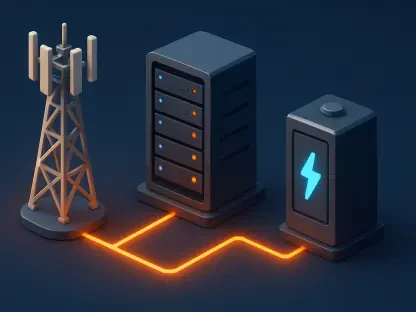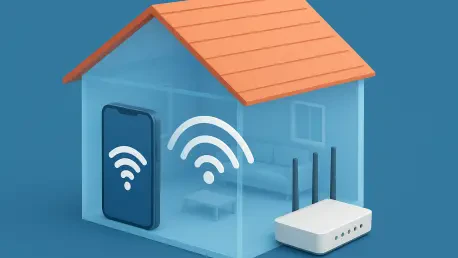

The integration of Voice over Wi-Fi technology provides a reliable solution for maintaining high-definition audio quality during network congestion on cellular towers. As mobile communication continues to evolve, the reliance on traditional cell towers often encounters physical limitations that disrupt connectivity in dense urban environments or remote rural settings. Voice over Wi-Fi, commonly referred to as VoWiFi, functions by establishing a secure Internet Protocol Security tunnel that connects a mobile device directly to a carrier’s core network. This bypasses the radio access network entirely, allowing voice data and SMS packets to travel over a local wireless internet connection instead of a cellular signal. Unlike specialized messaging applications that require both parties to use the same software, this protocol operates natively within the smartphone’s dialer, ensuring that recipients receive calls exactly as they would from a standard cellular transmission. This seamless integration has made it a standard feature across modern smartphone ecosystems by 2026. By utilizing existing internet infrastructure, users can effectively extend their network reach without needing additional hardware or complex service configurations.
1. The Primary Benefits: Overcoming Physical Barriers and Dead Zones
The most immediate advantage of adopting this technology is its ability to eliminate persistent reception gaps that plague many indoor environments. Modern building standards often utilize energy-efficient materials such as low-emissivity glass coatings, reinforced concrete, and heavy masonry, all of which act as formidable barriers to radio frequency signals. These materials can turn a modern office or a basement apartment into a functional dead zone where cellular bars vanish entirely. By shifting the communication load to a local wireless router, users can maintain a crystal-clear connection regardless of the structural composition surrounding them. This transition is critical for professionals working in high-rise structures where signal attenuation is a common struggle. Instead of stepping outside or standing near a specific window to conduct business, individuals can rely on their local network infrastructure to bridge the gap. This reliability transforms the user experience from constant frustration to steady, dependable access throughout any facility.
Beyond overcoming physical obstructions, the shift toward internet-based calling significantly enhances the overall audio fidelity of every conversation. Standard cellular calls frequently suffer from compression artifacts, background hiss, or fluctuating signal strength that can lead to robotic-sounding voices or dropped syllables. In contrast, a stable wireless connection provides the necessary throughput for high-definition voice protocols, resulting in a depth and clarity that traditional narrow-band cellular systems cannot match. This HD voice quality ensures that every nuance of a conversation is captured, making it ideal for detailed professional consultations or long-distance family catch-ups. Furthermore, the integration is user-friendly, requiring no specialized training or third-party application downloads. Once the feature is enabled in settings, it operates autonomously in the background. The smartphone intelligently prioritizes the best available connection, and the person on the other end of the line remains unaware of the technical shift, ensuring a professional and consistent experience.
2. Critical Drawbacks: Bandwidth Requirements and Connectivity Issues
While the benefits are substantial, the effectiveness of the service is strictly tied to the quality and capacity of the underlying internet connection. A high-latency or congested network can lead to packet loss, which manifests as choppy audio, delayed responses, or sudden disconnections during critical moments. Most major telecommunications carriers suggest a minimum symmetrical speed of at least 2 megabits per second to maintain a stable voice stream, though higher bandwidth is always preferable to account for other devices on the same network. In environments where multiple users are streaming high-definition video or engaging in large file transfers, the voice packets may struggle for priority, leading to a degraded experience. Some specialized networks, such as those provided by satellite internet services or specific public hotspots, may explicitly block the necessary protocols for secure calling. Therefore, relying solely on this technology without a backup cellular signal requires high confidence in the local network performance and the available data throughput for all connected devices.
Another significant consideration involves the technical handoff between wireless signals and cellular towers, which is not always as seamless as marketed. For a call to transition from a wireless network to a mobile network without dropping, the device and the carrier must both support Voice over LTE. If the user moves out of range of their wireless router and into an area where only legacy networks are available, the connection will likely terminate abruptly. Security also remains a point of interest for privacy-conscious individuals using public hotspots. Although carriers implement encrypted tunnels to protect voice data, vulnerabilities in specific chipsets or software implementations can occasionally emerge. Historical studies have highlighted rare but existing flaws in how these secure tunnels are managed, making it vital for users to keep their operating systems updated. Furthermore, emergency services rely on a registered address for location tracking during calls made over Wi-Fi, as tower triangulation is not an option when the radio is inactive or signal strength is low.
3. Activation Procedures: Configuring Apple and Android Devices
Activating the feature on an iPhone requires a few simple adjustments within the system configuration to ensure the carrier recognizes the device’s preference for wireless routing. To begin the process, navigate to the Settings app on your device and choose the Cellular category from the main list of options. If you are using multiple SIMs or an eSIM configuration, you must select the specific phone number you wish to adjust to ensure the correct line is being optimized. Once you have accessed the line settings, look for the option labeled Wi-Fi Calling. Tap on Wi-Fi Calling and switch the toggle to the On position to enable the service. During this initial setup, the device will prompt the user to verify an emergency E911 address, which is a mandatory safety requirement for most service providers. This address provides a fallback location for first responders if a call is placed from a location where GPS or tower data is unavailable. Once confirmed, the status bar indicates that the service is active and ready for use in any location with a signal.
Android users follow a similar path that varies slightly depending on their specific hardware manufacturer and operating system overlay. To start, open the Settings app from your home screen or app drawer to access the connectivity options. For Samsung users, the next step is to go to the Connections menu, whereas Google Pixel users should go to the Network and internet section. Once there, you need to find the SIM settings by selecting SIMs or your specific carrier profile. After locating the appropriate menu, tap Wi-Fi Calling and toggle the switch to activate it for your primary line. Just like with other mobile platforms, Android devices require a registered emergency address to function correctly and safely. It is highly recommended to verify that VoLTE is also active to facilitate smoother transitions when moving between different coverage areas. By taking these moments to configure the software properly, users ensure that their smartphones are optimized for the best audio performance regardless of their physical location or the local cellular signal strength.
4. Strategic Optimization: Future Considerations for Mobile Standards
The decision to implement Voice over Wi-Fi technology proved to be a pivotal shift for individuals looking to maintain consistent connectivity in an increasingly complex radio frequency environment. By recognizing the limitations of physical infrastructure and utilizing the ubiquity of high-speed internet, users effectively bypassed traditional coverage gaps. The strategic step of enabling this feature required a balanced understanding of both the crystalline audio quality it provided and the bandwidth constraints that occasionally hindered performance. Those who successfully navigated these settings prioritized network stability and kept their device firmware current to mitigate any potential security risks associated with public access points. It became clear that maintaining an accurate emergency address was not just a bureaucratic requirement but a vital safety measure for modern digital life. Most individuals found that regularly auditing their network performance and toggling the feature off in environments with unreliable public internet facilitated the most stable path.
In addition to manual adjustments, the progress of mobile connectivity relied on the intelligent cooperation between cellular towers and local networks. As technology continued to advance, the integration of more robust security protocols and faster handover algorithms eventually eliminated many of the inconsistencies found in older hardware. For the average user, staying informed about carrier-specific requirements and hardware limitations remained the best defense against unexpected service interruptions. It proved beneficial to test the feature in various environments, from home offices to public venues, to determine where the benefits truly outweighed the potential drawbacks of network congestion. Ultimately, the ability to turn a simple internet connection into a high-powered communication hub represented a significant leap forward in mobile utility. By following the established activation steps and maintaining an awareness of network health, smartphone owners ensured that their digital interactions remained seamless, high-quality, and reliable in every setting they encountered.