
The peaceful, verdant landscapes of Papaikou on the Big Island of Hawaii are currently the backdrop for an intensifying standoff between local residents and telecommunications developers planning a new cell tower project. This clash is not merely about signal strength or connectivity but rather a deep-seated defense of a way of life that many feel is under immediate threat from industrialization. Hand-painted signs now line the Old Mamalahoa Highway, signaling a shift from quiet frustration to organized public resistance. For residents like Patrick Ferreira, the sight of heavy machinery and the prospect of a towering steel structure represents a disregard for the historical and environmental integrity of their community. This localized movement underscores a broader national tension where technological advancement often collides with the preservation of rural heritage and the rights of citizens to determine the future of their own neighborhoods. As the community rallies, the debate has moved beyond the simple aesthetics of the skyline into a complex discussion about local governance and corporate responsibility in a rapidly changing world.
Aesthetic Preservation and Safety Concerns
Preserving Rural Identity: The Impact of Industrialization
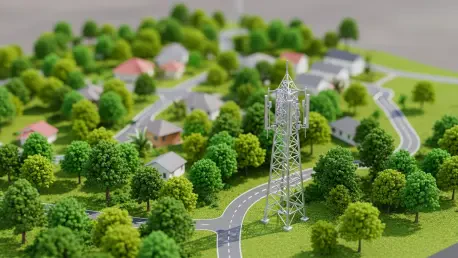
A primary driver of the unrest is the potential for visual pollution in a region celebrated for its historic charm and scenic landscapes. Residents argue that the installation of large-scale telecommunications infrastructure threatens the unique identity of Papaikou and its untouched vistas. For many, the tower represents a shift away from the rural character they value, turning a picturesque highway into an industrial corridor. The community believes that the architectural integrity of the Big Island must be maintained to support both local morale and the vital tourism economy that depends on Hawaii’s natural beauty. There is a collective fear that once the first tower is erected, it will set a precedent for further unregulated development, eventually eroding the very essence of what makes the region a desirable place to live. The struggle is viewed as a pivotal moment for the town, where the decision made today will echo through the next several decades of local land use and community planning.
The psychological impact of such a massive structure cannot be overstated for those who have spent generations in the shadow of the Mauna Kea slopes. Residents feel that their daily environment is being fundamentally altered without their consent, leading to a sense of alienation from their own homes. This aesthetic concern is not just about vanity but about the emotional and spiritual connection the people of Papaikou have with their land. The highway in question is more than just a transit route; it is a historical artery that connects the present community to its plantation-era roots. By introducing modern industrial towers into this sensitive area, developers are seen as ignoring the cultural weight of the landscape. The community remains steadfast in its belief that technological progress should not come at the expense of cultural heritage. They are calling for alternative solutions, such as smaller, concealed cells or co-location on existing structures, which would provide the necessary connectivity while respecting the visual and historical sanctity of the island’s unique rural corridors.
Public Welfare: Safety and Communication Gaps
Beyond the immediate visual concerns, the dispute is fueled by underlying anxieties regarding public health and the lack of transparent communication from local officials. While the project may technically adhere to current federal safety guidelines, community members remain deeply skeptical about the long-term effects of constant exposure to radiofrequency emissions in such close proximity to residential zones. This skepticism is compounded by a feeling that the project was pushed through the administrative process without sufficient public input or localized environmental impact studies. Many residents feel ignored by both the government and the corporate developers, perceiving a lack of empathy for the lived experience of those who will reside in the tower’s permanent shadow. The perceived arrogance of telecommunications companies has only served to galvanize the opposition, turning a technical debate into a moral one. This breakdown in trust has made every official statement suspect in the eyes of the public.
The lack of a meaningful dialogue has led to a vacuum of information that is often filled by fear and misinformation, which developers have been slow to effectively counter. Residents have expressed frustration over the technical jargon used in public notices, which they feel is designed to obscure the reality of the project rather than illuminate it. There is a growing demand for independent health assessments that are not funded or influenced by the telecommunications industry. This demand reflects a broader trend of citizen science and a desire for more rigorous oversight of new technologies entering residential neighborhoods. Until the developers can provide clear, unbiased evidence of safety and engage in a truly collaborative process, the community’s resistance is likely to remain a significant barrier. The residents are not just fighting a tower; they are fighting for the right to be heard and for the safety of their families in an era where corporate interests often seem to take precedence over the individual wellbeing of the local citizens.
External Pressures and Political Distrust
Navigating Governance: Corruption and Disaster Awareness
The timing of the project plays a significant role in the community’s resistance, as the state marks the three-year anniversary of the devastating Lahaina fires. This tragic milestone has left many residents hyper-aware of land use and the potential fire risks associated with new electrical or telecommunications equipment. With memories of the disaster still fresh, the people of Papaikou are hesitant to trust any new infrastructure that could pose a threat in dry or windy conditions. They worry that the maintenance of these towers might be neglected over time, leading to equipment failures that could spark a catastrophic event in their own backyard. This heightened sensitivity is a direct result of the trauma experienced by the entire state, creating a climate where safety is scrutinized with unprecedented intensity. Every new development is now viewed through the lens of disaster prevention, and the proposed cell tower is no exception to this rigorous and defensive public evaluation.
Adding to the local unrest is a massive erosion of public trust caused by high-level political scandals that have recently rocked the state government. The indictment of high-ranking officials on bribery and conspiracy charges has led many in Papaikou to suspect that infrastructure projects are the result of backdoor deals rather than genuine community needs. This climate of perceived corruption makes residents feel obligated to act as their own watchdogs, scrutinizing every development permit and zoning change for signs of impropriety. They believe that without their constant vigilance, the unique character of their town would be sold to the highest bidder by a political class that has lost its moral compass. This distrust extends to the developers, who are seen as beneficiaries of a system that prioritizes corporate profit over public service. The protest is therefore not just about a single tower, but about a broader demand for ethical governance and a rejection of the “business as usual” approach that has defined Hawaiian politics.
Policy Transformation: Next Steps for Local Governance
The resolution of the Papaikou conflict required a fundamental shift in how the county approached infrastructure planning and community engagement. Leaders eventually recognized that the traditional top-down model of development was no longer viable in a post-disaster landscape where public trust was at an all-time low. To move forward, officials established a new task force that included independent environmental scientists and community representatives to review all pending telecommunications permits. This body prioritized the implementation of “stealth” technology and required developers to prove that no other alternatives existed before approving any high-impact structures. They also mandated that a portion of all project budgets be allocated to a community fund designed to preserve local historical sites, creating a tangible benefit for the residents. These measures helped to de-escalate the immediate tension and provided a framework for future projects that balanced modern needs with the non-negotiable requirement of local consent.
Ultimately, the events in Papaikou served as a catalyst for statewide legislative reform regarding the siting of industrial equipment in rural areas. New laws were passed that required a higher threshold of public notification and multiple rounds of community hearings before projects could be greenlit. The state also invested in independent monitoring systems to provide real-time data on emissions and equipment heat, addressing the fire safety and health concerns that had fueled the initial protests. By taking these actionable steps, the government began the long process of rebuilding the trust that had been shattered by previous scandals. The residents demonstrated that a small, organized group could effectively challenge corporate and political giants, resulting in a more transparent and accountable development process. This transition marked a significant turning point in the island’s history, where the voice of the community finally became a central pillar of the planning process, ensuring that the beauty of Hawaii remains protected for future generations.