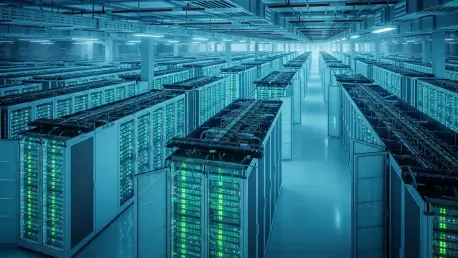

The massive concrete footprint of the former Walmart at the intersection of Capitol Drive and 60th Street has served as a silent monument to retail’s retreat from the Midtown shopping district for over a decade. Since the primary anchor vacated the premises, the neighborhood has wrestled with a persistent vacuum of economic activity, leading many to view the site as a symbol of stagnation rather than a community asset. Developer Trent Overhue has recently stepped forward with a multi-layered proposal designed to reclaim this blighted space by introducing a blend of technological infrastructure and social services. This project represents a significant departure from traditional retail-focused urban planning, aiming to revitalize the area through a data processing center paired with a new public library and an affordable housing complex. However, this ambitious vision has ignited a fierce debate among local residents who are divided over whether an industrial tech hub truly serves the community’s best interests or merely offers a convenient fix for a long-standing vacancy.
The Developer’s Vision: A Multifaceted Urban Hub
Industry Integration: Bridging Community and Technology Needs
This multifaceted approach seeks to address the city’s urgent need for modern digital infrastructure while simultaneously tackling the local demand for social resources and residential stability. By bundling a high-tech data processing center with a public library and an affordable housing wing, the developer intends to create a self-sustaining anchor that provides both economic revenue and essential community services. City officials are cautiously optimistic about the potential for such a project to generate significant tax contributions, which could then be reinvested into the surrounding Midtown area to foster further growth. The proposal is framed as a pragmatic response to the evolving nature of urban land use, where single-purpose retail giants are increasingly replaced by mixed-use facilities that offer more than just a place to shop. Proponents argue that this model will stabilize the property for decades to come, ensuring it remains a productive part of the municipal landscape.
Technical Specifications: Infrastructure and Environmental Safeguards
To mitigate the environmental and infrastructural concerns often associated with such large-scale projects, the design team has focused on the unique capabilities already present within the former Walmart structure. The site already possesses a robust electrical grid that was originally built to support massive refrigeration units, making it an ideal candidate for data processing without requiring a complete overhaul of the local utility lines. Furthermore, the developer has committed to utilizing a sophisticated closed-loop cooling system, a choice that differentiates this project from massive hyperscale facilities that can consume millions of gallons of water annually. This technology is projected to limit daily water consumption to less than five gallons, effectively neutralizing the facility’s impact on the municipal water supply. By emphasizing these technical safeguards, the development team hopes to reassure skeptical neighbors that the facility will operate as a quiet and efficient neighbor that contributes to the local economy without straining public resources.
Resident Skepticism: Evaluating the Quality of Life
Public Health: Assessing Noise and Resource Stability
Despite the technical assurances provided by the development team, a vocal segment of the Milwaukee community remains deeply concerned about the potential long-term impacts on their daily quality of life. Many residents fear that the persistent hum generated by industrial cooling fans will introduce a new and inescapable form of noise pollution into a high-density residential neighborhood that is already sensitive to urban stressors. Public health professionals and local advocates have raised questions regarding the cumulative effect of such noise on the well-being of those living in immediate proximity to the proposed site. Furthermore, there is a lingering anxiety that the substantial energy requirements of a data center could eventually compromise the stability of the local electrical grid during peak demand periods. This skepticism has fueled a counter-proposal that prioritizes green spaces and single-family homes rather than another massive industrial facility that may not align with their neighborhood’s character.
Economic Growth: Job Density and Neighborhood Vitality
Beyond environmental factors, the economic utility of the proposed data center has become a central point of contention for local business owners and workforce development specialists. Critics point out that while these facilities are highly lucrative for developers and generate notable tax revenue, they offer very low employment density compared to the retail anchors they replace. A traditional shopping center provides hundreds of entry-level and management jobs for neighborhood residents, whereas a data center typically operates with a skeleton crew of technicians and security personnel. This lack of job creation is particularly concerning for a community that is seeking to provide more opportunities for its youth and aspiring entrepreneurs. Opponents argue that the Midtown area needs investments that foster a walkable, vibrant economy, such as small retail outlets or cafes that encourage local spending. They view the proposed tech hub as a missed opportunity to build a social fabric that supports local entrepreneurship rather than a hidden utility.
Navigating the Future: Balancing Growth and Identity
Land Utilization: Pragmatic Solutions versus Local Identity
The tension surrounding the Midtown project highlights a broader philosophical disagreement regarding the most effective way to utilize urban land in an era of rapid technological change. City administrators often see the data center as a pragmatic and immediate solution to a ten-year vacancy that has drained municipal resources and stifled nearby investment. From this perspective, the financial stability provided by a large-scale tech tenant acts as a necessary engine to fund the more community-focused aspects of the project, such as the new library and affordable housing units. These sweeteners are intended to bridge the gap between industrial necessity and social benefit, creating a compromise that serves multiple masters at once. However, many residents view this strategy as an unimaginative surrender to corporate interests, arguing that the city should hold out for a development model that more closely aligns with a residential identity. They see the hybrid industrial-residential design as a forced marriage of conflicting priorities.
Future Frameworks: Actionable Strategies for Urban Development
The resolution of the Midtown conflict provided a framework for how cities might navigate the complex intersection of high-tech industrial needs and residential expectations. Stakeholders recognized that successful redevelopment required more than just filling empty square footage; it demanded a holistic approach that integrated social infrastructure from the earliest planning stages. Planners established new protocols that prioritized community-led design charrettes, ensuring that residents had a tangible voice in determining the specific mix of retail and industrial tenants. Moving forward, the city adopted a policy of industrial permeability, which required data facilities to feature active street-level facades and public-facing amenities like green roofs or community gardens. This shift transformed the perception of data centers from isolated utilities into integrated neighborhood assets. Ultimately, the Midtown debate demonstrated that long-term urban stability was best achieved when technological progress was harnessed to support, rather than displace, the existing social fabric.