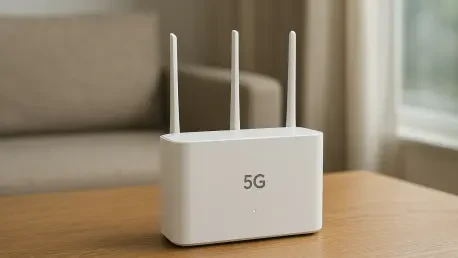

The promotional pricing of PHP 2,995 represents a strategic effort to make 5G technology more accessible to a wider demographic of internet users nationwide. For many families residing in newly developed subdivisions or remote provinces, the wait for physical fiber cables often feels like an endless journey toward a digital mirage. This specific initiative centers on the rapid expansion of 5G Fixed Wireless Access, or FWA, a technology designed to bridge the connectivity gap by delivering high-speed broadband through cellular networks instead of traditional physical cables. For households where fiber-optic installation remains a logistical nightmare, this solution offers a viable path to modern connectivity. The Smart 5G Max Home WiFi router functions as a high-performance hub, engineered to support download speeds reaching up to 600Mbps. This level of performance is essential for data-heavy tasks such as high-definition streaming, professional video conferencing, and competitive online gaming. Because the device utilizes a simple plug-and-play mechanism, users can bypass the delays associated with professional installation. By simply inserting a compatible SIM card and connecting to a power source, an entire household can gain immediate access to a robust network that supports up to forty individual devices simultaneously. This versatility ensures that students and remote professionals stay connected without the constraints of local infrastructure.
Network Reliability: The Evolution of Device Adoption
Building on this technological foundation, the current telecommunications landscape reflects a massive shift toward mobile-centric broadband solutions as 5G infrastructure matures. Data indicates a significant thirty percent year-on-year growth in 5G-capable devices on the network, reaching a total of twelve and a half million units by the middle of 2026. This surge in adoption is not merely a trend but a reflection of the increasing reliability of 5G signals compared to older LTE standards. Industry recognitions, such as the Ookla award for the best mobile video experience, have solidified the reputation of 5G networks for delivering consistent throughput. This consistency is vital for maintaining the quality of service required for digital classrooms and modern workplaces. Furthermore, the deployment of 5G FWA serves as a critical tool for digital inclusion, providing fiber-like performance in suburban and rural areas where physical line deployment was previously deemed impossible. Unlike traditional satellite internet, which often suffers from high latency, 5G technology provides the low-latency response times necessary for real-time interactions and cloud-based applications. The integration of advanced antenna arrays within these home routers allows for better signal penetration, ensuring that the high-speed experience remains stable even in densely populated urban environments.
Consumer Strategy: Economic Accessibility and Implementation
This transition toward high-performance wireless systems naturally led to more practical considerations regarding cost and long-term utility for the average consumer. The decision to lower the entry barrier for high-speed internet involved a temporary offer priced at PHP 2,995, which remained active until November 20, 2026. This package effectively combined hardware costs with a fifteen-day unlimited data period, allowing families to evaluate the service before committing to long-term plans. Once the initial period ended, the transition to the UNLI 1299 plan provided a sustainable model for continued thirty-day unlimited access. This tiered approach allowed users to manage their telecommunications budget while enjoying speeds that rivaled mid-range fiber connections. For those considering a switch from traditional providers, the lack of long-term lock-in periods and the portability of the hardware offered a unique flexibility that fixed lines could not match. Potential subscribers evaluated their local signal strength before the purchase to ensure the hardware operated at peak efficiency within their specific geography. As 5G coverage continued to expand, the reliance on physical cables decreased, making this technology a primary choice for mobile urbanites and rural communities alike. Ultimately, the successful deployment of these wireless systems demonstrated that high-speed connectivity was no longer strictly tethered to fixed-line availability, providing a definitive roadmap for those seeking more versatile internet solutions.