
Introduction
The rapid shift from simple hardware deployment toward intelligent, self-optimizing network infrastructure is fundamentally altering how global telecommunications operators manage the increasing complexity of modern connectivity standards. As mobile networks advance, the focus transitioned from merely adding physical capacity to creating a sophisticated system that integrates artificial intelligence and high-efficiency hardware. This article explores the current paradigm where performance is no longer measured solely by the size of the equipment, but by the intelligence embedded within the site architecture.
The objective here is to address the most pressing questions regarding the evolution of 5G and the technologies that follow. By examining the shift from hardware-centric models to intelligence-driven partnerships, readers will gain insights into how the physical cell site is becoming a programmable, responsive entity. This analysis covers the critical roles of energy efficiency, digital twins, and system-level performance metrics that define success in the contemporary telecommunications landscape.
Key Questions: Exploring the Evolution of Infrastructure
How Is the Definition of Network Performance Shifting in a Post-5G Landscape?
In the early stages of mobile deployment, performance was often equated with individual hardware metrics such as antenna gain or beamwidth. However, as frequency bands multiply and urban environments become more congested, these isolated parameters no longer provide a complete picture of network health. Operators now face a reality where spectrum is limited, and the interaction between various technologies requires a more holistic approach to measurement.
Modern performance evaluation moved toward a system-level perspective, prioritizing how three-dimensional antenna patterns influence total capacity and coverage. This approach acknowledges that the integration of hardware and software determines the user experience. By moving away from legacy hardware benchmarks, engineers focus on maximizing spectral efficiency and reducing interference, ensuring that every megahertz of available spectrum delivers the highest possible throughput for the end-user.
What Does the Tower Top to Deep Indoors Approach Entail for Modern Operators?
Achieving seamless connectivity requires a strategy that bridges the gap between massive outdoor macro sites and the most challenging interior environments. The tower top to deep indoors concept addresses the necessity for continuity as users move between diverse settings. Whether a person is traveling on a high-speed train or sitting in a reinforced concrete office building, the network must maintain a consistent level of service without the signal dropping or degrading.
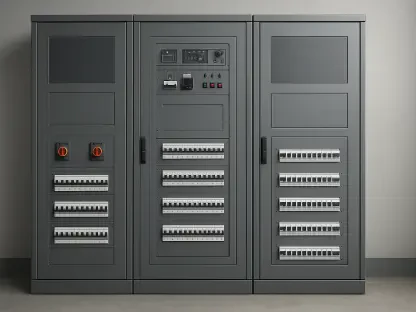
This holistic strategy involves orchestrating macro-cell components like antennas and power cabinets with specialized indoor solutions. For high-density locations such as airports or sports stadiums, digital antenna systems like the ERA platform provide the necessary capacity to handle thousands of simultaneous connections. By treating the entire coverage path as a single ecosystem, operators eliminate dead zones and ensure that the transition from outdoor signals to indoor penetration is completely invisible to the subscriber.
How Do Automation and Artificial Intelligence Influence Physical Infrastructure Design?
Physical site constraints such as limited space and strict weight requirements have made traditional, hardware-heavy network expansions increasingly difficult to execute. Consequently, the industry shifted its focus from adding more equipment to making existing infrastructure smarter through automation and sensing. The goal is to create a network that can essentially manage its own physical and logical configuration in real time.
Infrastructure components are now being equipped with advanced sensors that feed high-quality data into artificial intelligence systems. This integration supports the creation of digital twins, which are virtual replicas of physical networks used for precise troubleshooting and predictive maintenance. These intelligent systems allow the network to sense its physical surroundings and adjust beam shapes or tilt angles autonomously, optimizing performance without the need for manual intervention at the tower site.
Why Is Energy Efficiency Now Considered a Mandatory Design Requirement for Antennas?
Rising energy costs and environmental commitments have elevated power consumption from a secondary concern to a primary strategic imperative for telecommunications providers. Antennas play a critical role in this calculation, as the efficiency of radio frequency delivery directly impacts the energy required to power the radio access network. Inefficient hardware not only wastes electricity but also generates heat, which can lead to further cooling requirements and operational expenses.
Innovations like SEED technology address these challenges by maximizing spectral efficiency while minimizing physical windload and energy waste. By refining the internal architecture of the antenna, manufacturers can deliver higher gain and better signal precision using less power. This focus on efficiency ensures that operators can expand their network capacity sustainably, maintaining profitability even as data demands continue to surge across the globe.
What Role Does Supply Chain Resilience Play in the Evolution of Global Connectivity?
The geopolitical climate and global trade uncertainties highlighted the vulnerabilities of centralized manufacturing models in the technology sector. For infrastructure providers, maintaining the continuity of supply is just as important as the technological innovation itself. A delay in the delivery of a single component can stall a massive regional rollout, leading to lost revenue and dissatisfied customers for mobile operators.
Resilient leaders in the industry adopted regionalized manufacturing strategies to mitigate these risks. By locating production facilities closer to the end markets, companies can respond more quickly to localized demand and bypass international logistical bottlenecks. This agility, combined with deep research and development, allows for a faster transition from conceptual design to commercial deployment, ensuring that the next generation of connectivity is delivered on schedule regardless of global supply chain fluctuations.
Summary: A Synthesis of Modern Connectivity
The current evolution of mobile networks is defined by three core strategic pillars: efficiency, precision, and simplification. Efficiency focuses on reducing the environmental and financial costs of operation through smarter hardware. Precision, exemplified by technologies like CleanBeam, ensures that signals are targeted with extreme accuracy to minimize interference. Finally, simplification aims to reduce the physical footprint and complexity of the radio access network, making it easier for operators to deploy and manage multi-band systems.
These advancements collectively support the cell site of the future, which is envisioned as a sustainable, automated hub. By prioritizing scalability and long-term value, the industry ensures that infrastructure remains economically viable while meeting the demands of a hyper-connected world. The shift from basic hardware to intelligent system integration allows for a more flexible network that can adapt to future technological shifts without requiring a complete overhaul of physical assets.
Conclusion: Final Thoughts on Network Intelligence
The exploration of modern infrastructure revealed that the success of 5G and future standards depended on the seamless integration of intelligence and physical hardware. The industry recognized that the era of simply adding more antennas reached its physical and economic limits. Consequently, the focus shifted toward autonomous operations and digital twins, which provided the tools necessary to manage complexity without increasing operational overhead.
Operators discovered that prioritizing sustainability and system-level performance yielded better results than focusing on individual component metrics. The move toward a tower top to deep indoors strategy ensured that the user experience remained consistent across all environments. As the network continues to evolve, these intelligence-driven foundations will provide the agility needed to support the next wave of digital innovation and connectivity.