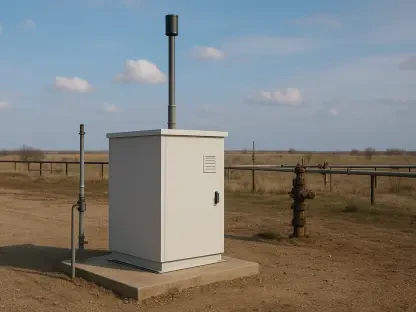

The traditional image of a cable technician climbing a ladder to manually adjust a faulty amplifier is rapidly fading as the industry embraces a future defined by autonomous, self-reporting hardware. This technological pivot represents more than just a minor equipment update; it is a fundamental shift in how the physical world of telecommunications interacts with digital management systems. By integrating intelligence directly into the network’s edge, providers are discovering that the infrastructure itself can act as its own first line of defense against outages and service degradation.
For decades, maintenance was a reactive, manual endeavor that drained resources and increased downtime. Now, the transition from passive “dumb” hardware to software-defined, smart amplifiers is rewriting the operational playbook for global telecommunications providers. This evolution allows for a level of transparency and agility previously impossible, turning the once-static network into a dynamic ecosystem capable of high-performance delivery at a fraction of the traditional cost.
Beyond the Truck Roll: A New Era of Network Intelligence
Maintaining a cable network has historically meant sending a technician in a van to manually troubleshoot failing components—a costly and inefficient process known as a “truck roll.” However, the emergence of smart hardware changes the equation by allowing the network to speak for itself. Instead of waiting for a customer complaint, the system identifies errors and reports its own health in real-time, often resolving issues before the end user even notices a dip in performance.
This shift toward intelligent monitoring drastically reduces the logistical burden on operators. By utilizing software-defined components, companies can remotely adjust signal levels and troubleshoot connectivity gaps from a centralized hub. This capability effectively eliminates the need for thousands of annual field visits, allowing human technicians to focus on complex infrastructure upgrades rather than routine, manual fine-tuning of field equipment.
The Economic Logic Behind the Hybrid Fiber Coax Evolution
While many industry observers view pure fiber-to-the-home as the ultimate goal for broadband, the reality of the global market suggests a more nuanced strategy. The surge in AI development and the expansion of hyperscale data centers have sent the cost of fiber materials skyrocketing. Consequently, cable operators have found it significantly more lucrative to modernize their existing Hybrid Fiber Coax (HFC) networks rather than committing to the prohibitive expense of a total fiber overbuild.
Modernizing existing lines with smart technology allows providers to meet the rigorous demands of the DOCSIS 4.0 standard without digging up miles of established glass and copper. This strategic pivot provides a high-speed experience that rivals pure fiber while maximizing the value of previous capital investments. By integrating 1.8 GHz components into the current plant, operators can deliver multi-gigabit speeds with a much faster time-to-market than a full-scale reconstruction.
Automation in Action: Technical Features of the 1.8 GHz Upgrade
The transition to 1.8 GHz infrastructure is far more than a simple capacity boost; it represents a leap toward autonomous network management. Utilizing sophisticated remote management software like AOI’s QuantumLink, operators now receive granular health data from field amplifiers every 15 to 30 minutes. This constant stream of telemetry creates a transparent map of the physical plant, where performance bottlenecks and hardware fatigue are identified with clinical precision.
Furthermore, this software-activation phase allows for centralized control over the entire network. Software updates that once required manual intervention are now pushed to thousands of devices simultaneously, ensuring every component operates on the latest optimization protocols. This transformation of a passive physical plant into a responsive digital asset ensures that the network remains elastic, adapting its signal strength and quality based on real-time environmental data and usage patterns.
Industry Perspective: Why Remote Management Is the New Competitive Edge
The cable industry typically operates on a rigorous five-to-seven-year upgrade cycle, and the current phase is defined by a race toward automation. Major players like Charter Communications are leading this charge by transitioning from the hardware-installation phase to the software-activation phase. As other competitors like Mediacom also adopt these smart components, a clear divide is emerging between operators who leverage software and those who rely on legacy manual labor.
This competitive advantage is rooted in operational efficiency and reliability. Operators who utilize remote management can slash their overhead expenses while simultaneously improving the customer experience through higher uptime. As the market reaches a consensus on the value of smart infrastructure, the ability to manage a network through software rather than a fleet of service vans has become the primary metric for long-term financial success in the telecommunications sector.
A Framework for Transitioning to Software-Defined Infrastructure
The framework for transitioning to a software-defined infrastructure focused on three essential pillars. First, the installation of high-capacity 1.8 GHz hardware established the foundation for future data loads. Second, the integration of centralized management software eliminated the need for most field visits by enabling remote adjustments. Finally, the utilization of real-time telemetry allowed for a shift from reactive repairs to predictive maintenance, ensuring that potential failures were addressed before they impacted the subscriber base.
This strategic approach enabled operators to maximize the lifespan of their physical assets while providing the high-speed performance typical of modern glass-based networks. By prioritizing automation, the industry successfully balanced the necessity of high performance with the economic reality of operational efficiency. Ultimately, the shift toward smart amplifiers solidified the cable network as a resilient, future-ready platform capable of supporting the next generation of digital innovation.