
Introduction
The rapid evolution of global telecommunications is currently being redefined by regional providers who successfully blend high-capacity digital infrastructure with personalized community engagement. Great Plains Communications has emerged as a central figure in this transformation by executing a comprehensive growth strategy that emphasizes regional expansion and infrastructure modernization. Led by CEO Todd Foje and CFO Nick Wilkin, the company distinguishes itself from niche providers by operating a versatile business model that caters to a wide spectrum of clients, ranging from rural residents to massive hyperscale data centers.
This article examines the strategic pillars supporting this growth, including the organization’s aggressive merger and acquisition activity and its transition to a fully fiber-based network. Readers will gain insight into how a 20,000-mile backbone network serves as a critical asset for various industries while the firm maintains a high-touch service approach. By exploring these themes, the narrative clarifies how technological advancement and localized operational strategies can coexist to drive long-term stability and regional connectivity.
How Is Strategic Expansion Reshaping the Regional Network Landscape?
Growth in the telecommunications sector requires a balance between building new infrastructure and acquiring existing assets to increase market density. For Great Plains Communications, recent efforts have focused on identifying geographic opportunities that align with its extensive 13-state footprint. A primary example of this approach is the acquisition of 40,000 passings from Fastwyre in Nebraska, a move that effectively densified the presence of the company in suburban markets like Omaha. This specific transaction carried historical weight, representing a reunification of assets that had been separated for five decades.
Looking ahead, the company continues to evaluate potential acquisitions that prioritize fiber-rich entities. The focus remains on targets that complement the existing network and offer immediate value to the surrounding communities. This selective acquisition strategy allows the firm to scale its operations while ensuring that each new asset contributes to the overarching goal of regional market leadership. By focusing on suburban and rural hubs, the organization effectively bridges the gap between major metropolitan centers and underserved areas, creating a more cohesive and reliable connectivity web for the entire region.
Why Is the 400G Backbone Infrastructure Vital for Future-Proofing?
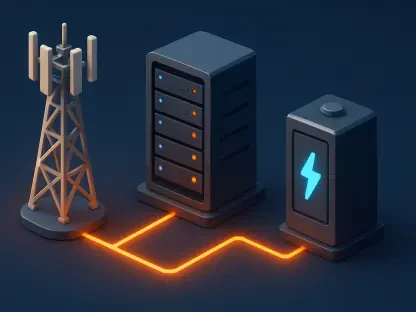
The physical network is the foundation of a successful telecommunications firm, and a massive 20,000-mile fiber array serves as the most valuable asset in this instance. Recently upgraded to 400G capacity, this infrastructure acts as a high-capacity toll road for a diverse range of high-demand clients. In a landscape where data consumption is skyrocketing, high-capacity transport across multiple states is a fundamental requirement for staying relevant. This network supports not only residential users but also cellular tower companies and Low Earth Orbit satellite providers that require low-latency connections.
Moreover, the strategic decision to utilize this network for wholesale, business, and residential services ensures that every mile of fiber generates maximum revenue. By diversifying the client base, the company mitigates the risks associated with relying on a single market segment. For instance, while hyperscale data centers provide steady, high-volume traffic, residential services offer a stable foundation of consistent users. This multi-faceted approach to network utilization ensures that the investment in high-capacity fiber remains profitable and scalable as technology continues to evolve over the coming years.
What Role Does Artificial Intelligence Play in Balancing Innovation and Local Service?
Internal operations are undergoing a significant modernization through a five-year overhaul of the Operational and Business Support Systems of the company. A central component of this initiative is the integration of agentic AI, which is designed to automate complex backend processes and drive significant operational efficiency. By leveraging these advanced technologies, the company can handle massive data sets and customer inquiries more effectively, reducing the administrative burden on employees. This shift toward automation is essential for maintaining a competitive edge in an industry where speed and accuracy are paramount.
However, the adoption of AI is not intended to replace the human element that defines the reputation of the firm in rural markets. While automation handles the heavy lifting of backend management, the organization remains committed to employing local customer service representatives who understand the specific needs of their communities. This balance ensures that while the technology is cutting-edge, the customer experience remains personalized and grounded in local connections. This dual-track strategy demonstrates how a firm can embrace the future of AI without sacrificing the trust and accessibility that come with human interaction.
Summary: Key Takeaways
The transition toward a future-proofed network is marked by a firm commitment to convert all remaining hybrid fiber-coaxial plants into a 100% fiber infrastructure. This five-year plan ensures that every customer within the footprint will eventually have access to the highest speeds available. To support this expansion into the most remote rural areas, leadership has prioritized the Enhanced Alternative Connect America Model over other federal funding programs. This choice reflects a strategic preference for stable, long-term funding mechanisms that align with existing regional goals and operational strengths.
Beyond infrastructure, internal digital transformation through AI and updated support systems positions the company for sustained growth. By maximizing the utility of the 20,000-mile backbone and maintaining a diverse revenue stream, the organization has created a robust model for regional success. The combination of aggressive M&A, technological upgrades, and a commitment to local service provides a clear roadmap for how telecommunications providers can thrive in an increasingly digital world. These initiatives collectively reinforce the role of the company as a vital link in the connectivity infrastructure of the nation.
Conclusion: Final Thoughts
The strategic moves made by Great Plains Communications established a precedent for how regional providers navigated the complexities of rapid technological shifts. By prioritizing fiber density and high-capacity backbone upgrades, the organization effectively shielded itself from the volatility of niche markets. The deliberate integration of agentic AI streamlined internal workflows, while the preservation of local support teams maintained the identity of the brand. These actions collectively demonstrated that long-term success depended on a balanced approach to innovation and service.
Moving forward, stakeholders should monitor how these expanded fiber networks catalyze economic growth within the 13-state region. The increased accessibility of 400G connectivity likely opened new doors for businesses and educational institutions that previously lacked high-speed resources. As the five-year fiber conversion reached its conclusion, the focus shifted toward optimizing the existing network and exploring even more advanced automation tools. Understanding these developments remains crucial for the next phase of regional connectivity and its impact on the broader telecommunications landscape.