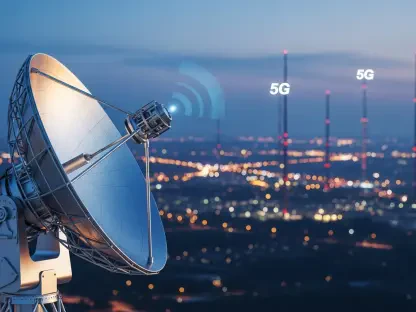

A nationwide shortage of chicken wings, sparked by a mobile carrier's weekly customer promotion, offers a surprisingly insightful glimpse into the tectonic shifts reshaping the multi-billion-dollar telecommunications industry. This single event encapsulates a strategic evolution at T-Mobile, where

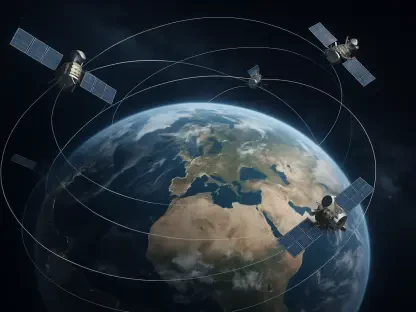
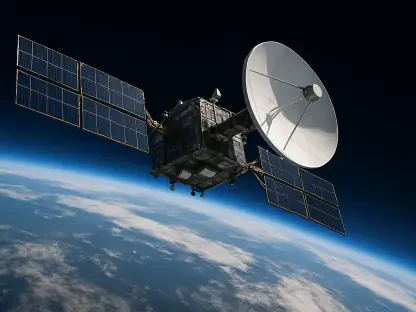
The Race for the Stars: Amazon's Grand Plan for Global Connectivity In an increasingly connected world, the final frontier is no longer space itself, but the challenge of providing reliable, high-speed internet to every corner of the globe. Amazon has just taken a monumental leap in this race,

The era of waiting for a network outage to be reported and then fixed is rapidly coming to an end, replaced by an infrastructure so intelligent it can anticipate and resolve its own problems before a single user is affected. South Korean telecom giant LG Uplus is at the forefront of this

The initial fervor surrounding Open RAN promised a swift revolution in telecommunications, yet the path toward a fully disaggregated, multi-vendor network has proven more complex and protracted than many anticipated. A detailed market analysis from Dell’Oro Group now offers a recalibrated
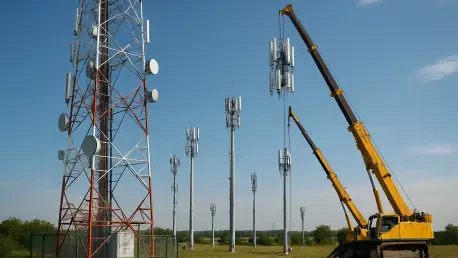
A fascinating paradox is unfolding within one of the U.K.'s most significant telecommunications giants, where declining financial reports are being published alongside news of unprecedented infrastructure growth. For the quarter ending December 31, BT Group presented a challenging fiscal picture,
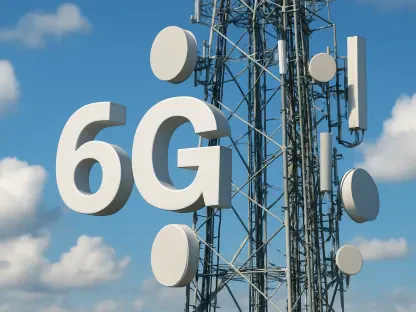
As the demand for faster, more reliable wireless connectivity continues to explode, scientists are pushing the boundaries of communication technology into higher frequency bands like the terahertz range, which promises unprecedented data speeds but is notoriously prone to signal disruptions and