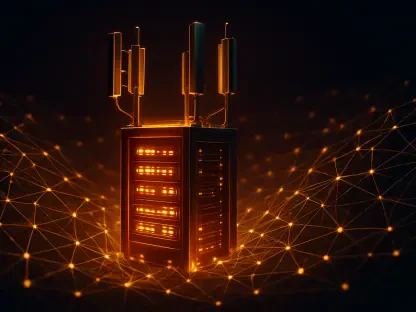

The mobile industry is witnessing a seismic shift as the traditional boundaries between telecommunications hardware and high-performance computing continue to dissolve into a single, unified architecture. Future 6G networks will rely on a foundation of shared accelerated computing to manage both
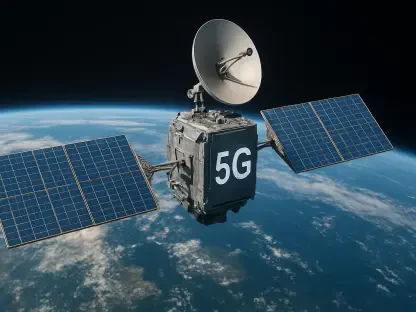
The global telecommunications landscape in 2026 has reached a pivotal juncture where the orbit of satellites is no longer the primary constraint for universal 5G coverage. While the aerospace industry has successfully deployed massive constellations of Low Earth Orbit (LEO) satellites, the burden

The global networking landscape is undergoing a massive shift where the price of market entry is no longer just technological innovation but geopolitical loyalty and massive capital expenditure. TP-Link, once an undisputed leader in the router market, currently stands at the center of this storm,

The newly introduced tiered fee structure for radio licenses in Pakistan sets specialized aircraft and maritime mobile station fees at 100,000 rupees. This financial adjustment marks a significant shift in the regulatory landscape, signaling a more structured approach to managing the nation's

A restrictive speed cap on Starlink terminals prevents Ukrainian drone operators from maintaining connectivity during high-speed interceptions of Russian munitions. This technical bottleneck is merely the visible tip of a much deeper strategic iceberg, where the survival of an entire nation relies

The Intersection of Silicon Architecture and Next-Generation Connectivity The invisible tug-of-war for wireless dominance is currently being fought not just across airwaves, but within the microscopic architecture of the silicon chips powering modern base stations. As the telecommunications
1 2 3 4 5 6 7 8 9 10 11 12 13 14 15 16 17 18 19 20 21 22 23 24 25 26 27 28 29 30 31 32 33 34 35 36 37 38 39 40 41 42 43 44 45 46 47 48 49 50 51 52 53 54 55 56 57 58 59 60 61 62 63 64 65 66 67 68 69 70 71 72 73 74 75 76 77 78 79 80 81 82 83 84 85