

For millions who still watch signal bars vanish on country roads, ferries, or borderlands, the prospect of a phone linking straight to space reads less like sci-fi and more like overdue infrastructure, and that is precisely what a new tie-up between Starlink and Proximus Global’s BICS aims to
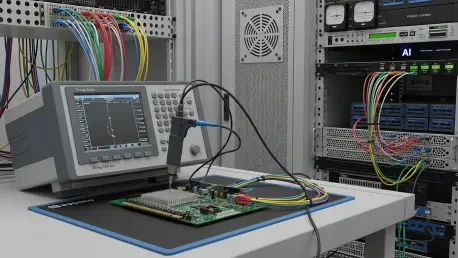
Telecom’s race toward a single “Network Foundation Model” and GPU-powered AI-RAN sounded bold because a unified AI brain and monetized edge silicon promised simplicity, speed, and new revenue, yet the pitch glossed over a stubborn truth about networks: plausible is not good enough when physical
The digital divide in the United States remains a stubborn challenge, with millions still lacking access to reliable broadband, especially in rural and underserved areas, and as federal initiatives like the Broadband Equity, Access, and Deployment (BEAD) program roll out billions in funding to
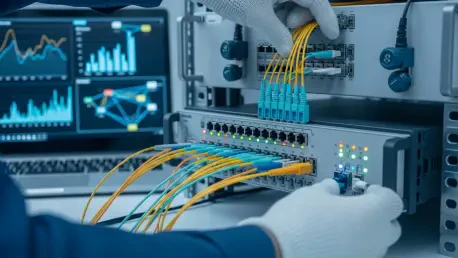
In a world where seamless internet connectivity powers everything from remote work to immersive 8K streaming, the backbone of this digital revolution often goes unnoticed—until it falters, leaving millions of users struggling with lag during critical virtual meetings or buffering screens disrupting
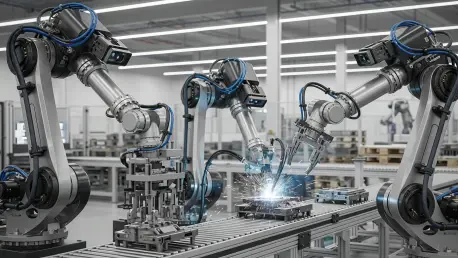
What happens when machines not only follow instructions but also think, adapt, and act in real time on the factory floor, transforming the way industries operate? This isn't a far-off vision but a reality unfolding today, driven by physical AI—a technology that merges digital intelligence with

Today, we’re thrilled to sit down with Vladislav Zaimov, a seasoned telecommunications specialist with deep expertise in enterprise telecommunications and risk management of vulnerable networks. With years of experience in the field, Vladislav offers invaluable insights into the complex world of