
The rapid expansion of the digital ecosystem has reached a point where the average household now manages a bewildering array of interconnected devices ranging from smartphones and tablets to smart appliances and home security systems. This explosion of connectivity has created a fragmented landscape of vulnerabilities, forcing users to juggle a dozen different subscriptions for antivirus software, password managers, virtual private networks, and identity theft protection services. In response to this growing complexity, there is a visible shift toward consolidated security ecosystems that promise to handle every aspect of digital safety under a single umbrella. Norton VPN Ultimate stands as a primary example of this movement, attempting to transition from a traditional software utility into an all-encompassing lifestyle protection service. By integrating legacy scanning technologies with modern privacy tools and identity safeguards, this suite aims to provide a “one-stop shop” for families and professionals who are exhausted by the overhead of managing multiple independent security accounts.
Evaluating the Cost and Subscription Model
The pricing architecture of this comprehensive suite is designed around a tiered methodology that categorizes users based on their specific needs for storage and advanced features. At the entry level, the Standard and Plus tiers offer essential protection, but the Ultimate tier is where the company packs its most sophisticated tools, including high-capacity cloud backup and expansive parental controls. This structure allows the company to cast a wide net, capturing budget-conscious individuals while providing a clear upgrade path for those who require more robust shielding. However, the complexity of these tiers often requires potential customers to perform a detailed comparison of features to ensure they are not paying for services they do not need. The decision-making process is further complicated by the inclusion of identity theft insurance and specialized monitoring in the higher tiers, which can make the package feel like a hybrid between a software product and a financial services contract.
A central point of discussion among industry analysts and long-term users is the significant discrepancy between introductory pricing and the subsequent renewal rates. The service typically offers a substantial discount for the first year of protection, making it one of the most competitive options on the market for new subscribers. Yet, once that initial period concludes, the price can increase significantly, sometimes nearly doubling the original investment. This “introductory bait” strategy is a common practice in the software-as-a-service industry, but it remains a point of friction for users who prefer predictable, long-term costs. Furthermore, the lack of a month-to-month billing cycle forces a full-year commitment from the start. While a 60-day money-back guarantee exists to mitigate the risk of dissatisfaction, the upfront cost and the looming renewal hike remain critical factors that every household must weigh before integrating the suite into their annual budget.
The lack of flexibility in billing is often cited as a barrier for younger users or those living in temporary housing situations who might only need protection for a few months at a time. By requiring an annual contract, the service positions itself as a long-term commitment rather than a modular tool. This approach ensures that users remain within the ecosystem, benefiting from the cumulative data protection and backup features, but it lacks the agility of competitors who offer granular, monthly control. For large families, the value proposition is often stronger because the per-device cost decreases as more gadgets are added to the plan. Nevertheless, the transition from a low-cost trial year to a high-cost standard year requires careful financial planning to avoid unexpected charges on a credit card statement. This pricing model reflects a broader trend where security is treated as a persistent utility rather than a one-time purchase, emphasizing the ongoing nature of modern cyber threats.
Examining the Core VPN Technology
The Virtual Private Network component of the suite has undergone a significant technological transformation, moving beyond basic encryption to address the challenges of modern network censorship and deep packet inspection. A standout feature in this evolution is the implementation of the proprietary Mimic protocol, which is engineered to mask VPN traffic as standard, unencrypted web browsing. This is particularly effective in environments where network administrators or internet service providers actively block known VPN signatures, such as in restrictive corporate networks or certain international jurisdictions. By blending in with the surrounding digital noise, the Mimic protocol allows for a more consistent and reliable connection without sacrificing the underlying security of the encrypted tunnel. This focus on “stealth” reflects a growing need for tools that can maintain privacy even when the network infrastructure is actively hostile toward encryption.
To future-proof the security of user data, the VPN has also integrated post-quantum encryption standards into its communication protocols. This proactive approach is designed to defend against the eventual rise of quantum computing, which is expected to possess enough processing power to break current encryption methods. By implementing these advanced algorithms today, the service ensures that data intercepted now cannot be decrypted later when quantum technology becomes more accessible. This “encrypt now, protect forever” philosophy is a significant selling point for professionals who handle sensitive corporate data or individuals concerned about long-term privacy. Additionally, the server network has expanded to cover more than 60 countries, providing users with a diverse range of virtual locations to bypass geographical restrictions on content. For those requiring a higher level of anonymity, the multi-hop feature allows traffic to be routed through two separate servers in different countries, adding a second layer of encryption that makes it nearly impossible to trace the origin of the connection.
Despite these advanced features, the VPN service maintains certain restrictions that may frustrate power users who engage in heavy peer-to-peer file sharing. Torrenting activities are limited to a small, specific selection of server locations, which can lead to congestion and reduced speeds during peak hours. Unlike specialized VPN providers that offer dedicated P2P servers across their entire network, this suite takes a more conservative approach to file sharing, likely to manage bandwidth and reduce legal liability. This limitation suggests that the VPN is optimized for streaming, browsing, and secure communications rather than for massive data transfers. For the average user who wants to watch international content or secure their public Wi-Fi connection, the performance is excellent, but those who build their digital lives around BitTorrent might find the geographical constraints to be a significant bottleneck in their daily workflow.
Platform Consistency and Interface Design
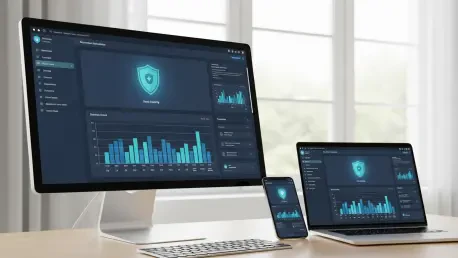
The user experience of the software varies noticeably depending on the operating system being used, with the Windows version standing out as the most polished and feature-complete iteration. The Windows dashboard is a centralized command center that integrates every aspect of the suite, from real-time virus scanning to the smart firewall and system optimization tools. Its design follows a logical flow that allows even non-technical users to navigate complex settings without feeling overwhelmed. This deep integration into the Windows kernel allows the software to provide a level of protection and system-level monitoring that is difficult to achieve on more restrictive platforms. The visual feedback provided by the dashboard, using clear color-coded indicators for system health, helps users quickly identify and address potential security gaps before they become critical issues.
In contrast, users operating within the Apple ecosystem or on mobile platforms like Android and iOS may encounter a more streamlined, yet slightly restricted, version of the software. On macOS, certain advanced networking features like split tunneling—which allows users to choose which applications use the VPN and which use a standard connection—are often missing or limited due to the inherent design of the operating system’s security architecture. The mobile apps are clean and responsive, but they function more as specialized tools for specific tasks rather than the comprehensive “hub” found on the desktop. Furthermore, the plan currently limits users to ten simultaneous connections across all devices. For a modern family with multiple laptops, tablets, gaming consoles, and smartphones, this ten-device ceiling can be reached surprisingly quickly, forcing difficult decisions about which gadgets to prioritize for protection.
The disparity in features across platforms highlights the challenge of creating a unified security experience in a diverse hardware world. While the core antivirus engine remains consistent, the ancillary tools often feel like they were designed for Windows first and then adapted for other systems as an afterthought. This is a common hurdle for legacy security companies, but it is one that users must consider if their household is predominantly based on macOS or mobile devices. The interface design, while modern, can sometimes feel cluttered with notifications and suggestions to activate additional features, which some might interpret as persistent upselling. However, for those who appreciate a guided experience, these prompts serve as helpful reminders to utilize the full range of services included in their subscription, ensuring that no part of the “Ultimate” package goes to waste.
Industry-Leading Antivirus Capabilities
The foundational strength of the Norton ecosystem remains its antivirus engine, which continues to dominate independent laboratory tests for malware detection and neutralization. This core technology utilizes a sophisticated combination of signature-based detection and heuristic analysis to identify both known threats and “zero-day” vulnerabilities that have never been seen before. By analyzing the behavior of files and programs in real-time, the software can intercept malicious code the moment it attempts to execute, often stopping an infection before it can establish a foothold in the system. This proactive stance is essential in an era where malware authors are constantly refining their techniques to evade traditional detection methods. The engine’s high degree of accuracy and low rate of false positives ensure that users are protected without being constantly interrupted by unnecessary alerts or blocked legitimate software.
Ransomware protection has become a critical focus for the suite, given the devastating impact these attacks have on personal and professional data. The software employs a behavioral monitoring system that specifically looks for the hallmarks of ransomware, such as the rapid and unauthorized encryption of large numbers of files. If such activity is detected, the suite immediately freezes the suspicious process and alerts the user, providing a vital window of opportunity to prevent data loss. This layer of security is complemented by a web protection module that excels at identifying and blocking phishing sites designed to steal login credentials or financial information. When the suite is used in conjunction with the company’s own specialized private browser, the success rate for blocking fraudulent websites reaches nearly perfect levels, providing a comprehensive safety net for online shopping and banking activities.
The effectiveness of the antivirus component is not just about blocking threats, but also about the depth of its cleaning and recovery tools. If a system is already infected prior to the software’s installation, the suite includes specialized remediation tools designed to scrub deeply embedded rootkits and persistent malware that standard scanners might miss. This “scorched earth” approach to system cleaning is highly valued by IT professionals and home users alike who need to restore a compromised machine to a known good state. The integration of these tools into the main interface makes them accessible to everyone, regardless of technical expertise. As the threat landscape continues to evolve from simple viruses to complex, multi-stage cyberattacks, the consistent performance of this antivirus engine provides a reliable foundation upon which the rest of the security suite is built.
Network Hardening and Application Security
Beyond basic malware scanning, the suite provides an advanced smart firewall that acts as a gatekeeper for all incoming and outgoing network traffic. This firewall is significantly more sophisticated than the default options found in most operating systems, offering a “stealth mode” that effectively hides the computer’s ports from the automated scanners used by hackers to find targets. By making the device invisible to the outside world, the software drastically reduces the likelihood of a targeted attack or an unauthorized intrusion. The firewall also includes an intrusion prevention system that monitors network packets for signs of known exploit techniques, providing a real-time defense against hackers attempting to take advantage of unpatched software vulnerabilities on the user’s machine.
The intelligence of the firewall is further enhanced by its ability to monitor how individual applications interact with the internet. Instead of simply blocking or allowing all traffic, the system references a massive database of millions of known programs to make automated, context-aware decisions about which applications should be granted network access. This reduces the burden on the user, as the software can silently allow trusted programs like web browsers and system updates to function while blocking suspicious or unknown background processes. For advanced users, the firewall offers granular control, allowing for the creation of custom rules and the monitoring of specific IP addresses and ports. This balance between automated ease-of-use and manual depth ensures that both casual users and tech enthusiasts can achieve a high level of network security tailored to their specific environment.
Tamper protection is another critical security feature built into the architecture of the suite, ensuring that malicious software cannot disable the antivirus or firewall components to gain unfettered access to the system. While some parts of the VPN service might be susceptible to being stopped through a task manager by a determined user, the core security services are designed to be resilient and self-healing. If a security component is forcibly shut down or its files are modified by a virus, the software is engineered to automatically repair itself upon the next system reboot or via a background watchdog process. This resilience is vital because many modern malware strains are designed specifically to target and deactivate security software as their first step of infection. By hardening its own defenses, the suite ensures that it remains an active guardian of the system even under direct assault.
Household Protection and Parental Supervision
One of the most compelling reasons for families to choose the Ultimate tier is the inclusion of robust parental control tools that go far beyond simple content filtering. These tools allow parents to create a safe digital environment by monitoring search queries, tracking video consumption on platforms like YouTube, and managing app usage across all family devices. The system is designed to provide a comprehensive overview of a child’s digital footprint, allowing parents to identify potential risks or unhealthy habits before they become problematic. Instead of merely acting as a digital barrier, the software generates detailed reports that help facilitate conversations between parents and children about responsible internet use. This educational approach aligns with modern parenting philosophies that emphasize guidance and open communication over strict, silent surveillance.
Screen time management is another key feature, allowing for the creation of customized schedules that automatically lock devices during homework time or late at night. Parents can set daily limits for specific categories of apps or for total device usage, ensuring a healthy balance between online and offline activities. The flexibility of these controls is a major advantage, as they can be adjusted as a child grows and earns more digital autonomy. However, it is important to note that these parental tools are not universally supported across all platforms. While they offer deep integration and full functionality on Windows, Android, and iOS, they are currently unavailable for macOS. This limitation is a significant consideration for households that rely heavily on Apple computers, as it leaves a gap in the supervision ecosystem that must be filled by other, often less integrated, tools.
The location tracking feature included in the parental control suite adds an extra layer of physical safety by allowing parents to see the real-time location of their children’s mobile devices. Geofencing capabilities allow for the creation of “safe zones,” such as a school or a friend’s house, with automatic notifications sent to the parent’s phone when the child arrives at or leaves these locations. This integration of digital and physical security reflects the comprehensive nature of the Ultimate tier, aiming to protect the family in every aspect of their daily lives. Despite the platform limitations for Mac users, the depth of features available for mobile devices makes it a powerful tool for managing the complex digital lives of modern children, providing peace of mind for parents who are increasingly concerned about online safety and screen addiction.
Managing Digital Identity and Data Privacy
In an era where data breaches are an almost daily occurrence, the identity protection modules included in the suite have become as important as the antivirus engine itself. The dark web monitoring service is a proactive tool that scans hidden forums, illicit marketplaces, and leaked databases for signs of a user’s personal information, such as email addresses, credit card numbers, or social security details. If a match is found, the system immediately alerts the user and provides actionable advice on how to secure the compromised accounts. This early warning system is crucial for preventing identity theft, as it allows individuals to change passwords and freeze credit before criminals can exploit the stolen data. By automating the tedious process of searching for leaked credentials, the service provides a level of vigilance that would be impossible for an individual to maintain manually.
The privacy monitor tool addresses a different, but equally pervasive, threat: the commodification of personal data by data brokers. These companies aggregate information from public records and social media to create detailed profiles of individuals, which are then sold to marketers or made searchable online. The Norton tool identifies which of these broker sites are hosting sensitive details like home addresses, phone numbers, and family connections. It provides a centralized dashboard where users can see exactly what information is public and take the first steps toward having it removed. While the scan itself is included in the subscription, it is worth noting that the automated removal service—where the company handles the “opt-out” requests on the user’s behalf—often requires an additional paid add-on. This tiered approach to privacy can feel like an upsell to some, but for those who value their time, the convenience of professional data removal is a significant benefit.
The focus on identity also extends to financial security, with features designed to monitor for unauthorized changes to credit reports or suspicious bank account activity. By integrating these financial safeguards into the same interface as the malware protection, the suite offers a holistic view of a user’s “digital health.” This convergence of cybersecurity and personal finance is a logical progression as more of our lives move online. However, the effectiveness of these tools relies heavily on the user’s willingness to share their most sensitive information with the security provider. For those who are comfortable with this trade-off, the suite acts as a powerful ally in the fight against identity fraud, providing a multi-layered defense that covers everything from a simple virus to a complex takeover of a financial identity.
Privacy Policy and Data Retention Standards
When evaluating any security product, the underlying privacy policy and the legal jurisdiction in which the company operates are critical factors. As a United States-based entity, the company is subject to federal laws and potential subpoenas from government agencies, which can be a point of concern for users who prioritize absolute anonymity. The U.S. is a key member of international intelligence-sharing alliances, meaning that data collected within its borders could theoretically be shared with foreign governments. While this does not mean the service is insecure, it does create a different risk profile compared to providers based in privacy-haven countries like Switzerland or Panama. Users must weigh the convenience and robust features of a major American brand against the perceived risks of operating within a jurisdiction with extensive surveillance capabilities.
The service maintains a clear “no-logs” policy regarding browsing history, meaning it does not track or store the websites users visit or the data they transmit through the VPN. This policy has been subjected to independent third-party audits to verify its claims, providing a level of transparency that is essential for building trust in the privacy community. However, the company is open about the fact that it collects certain diagnostic and connection data—such as the amount of bandwidth used and the timestamps of connections—for up to 18 months. This data is used to optimize server performance and troubleshoot technical issues, but it is not linked to an individual’s browsing activity. For most users, this minimal logging is an acceptable compromise for a reliable and fast service, but for “privacy purists,” any form of data retention may be viewed as a potential vulnerability.
Transparency is a hallmark of the company’s approach to data governance, with detailed documentation explaining exactly what is collected and how it is protected. The use of advanced encryption for all stored user data ensures that even if the company’s own servers were compromised, the sensitive information of its customers would remain unreadable. Furthermore, the company frequently publishes transparency reports that detail the number of law enforcement requests it receives and how it responds to them. This level of openness is rare in the industry and helps to demystify the relationship between the security provider and government authorities. Ultimately, the decision to trust the service comes down to a balance between the high level of technical security provided and the inevitable legal realities of being a major global corporation based in the United States.
Speed Performance and Media Accessibility
Performance is often the deciding factor for users choosing a VPN, and in this regard, the suite delivers results that are competitive with the best standalone providers. Testing across various server locations shows that while there is a natural reduction in download speeds—as is the case with all encrypted connections—the impact is minimal enough that high-definition 4K streaming remains smooth and buffer-free. This makes the service an excellent choice for users who want to access international streaming libraries or bypass local bandwidth throttling by their internet service provider. The intelligent server selection feature automatically connects the user to the fastest available server based on their physical location, ensuring a consistent experience without the need for manual trial and error.
The inclusion of significant cloud storage space in the Ultimate tier serves as a vital secondary defense against modern ransomware and hardware failure. By automatically backing up high-value documents, photos, and system files to a secure remote server, the system creates an “air-gapped” copy of the user’s data that remains untouched even if the local machine is completely compromised. In the event of a successful ransomware attack that bypasses all other defenses, a user can simply wipe their drive and restore their files from the cloud without ever having to engage with the attackers or pay a ransom. This integration of backup and security highlights the suite’s philosophy of resiliency: it is not just about stopping the attack, but about ensuring the user can recover quickly if things go wrong.
The accessibility of the service is further enhanced by its ability to work across a wide variety of network environments, including those with strict firewalls or unstable connections. The software’s ability to quickly reconnect if a VPN tunnel drops ensures that the user’s real IP address is never accidentally exposed to the internet. While some users might find the ten-device limit to be a constraint, the actual performance on those devices is high-quality, with low latency that is suitable even for casual online gaming. The combination of high-speed browsing, secure media access, and the safety net of cloud storage makes the suite a formidable tool for the modern digital life. By addressing both the immediate need for speed and the long-term requirement for data durability, the service provides a comprehensive value proposition that justifies its position at the top of the market.
Security Integration and Strategic Recommendations
The evaluation of the comprehensive security suite showed that users benefited most when they fully embraced the integration of its various components rather than treating them as isolated tools. While individual parts of the package, such as the VPN or the password manager, might have faced stiff competition from specialized standalone products, the collective strength of the ecosystem provided a level of convenience and cross-functional protection that was difficult to replicate. The decision to invest in the Ultimate tier was historically most effective for households with multiple devices and a high volume of sensitive personal data. It was observed that the seamless communication between the firewall, the antivirus engine, and the cloud backup service created a unified defense-in-depth strategy that significantly lowered the risk of both automated malware infections and targeted social engineering attacks.
Users who prioritized a streamlined workflow found that the single-pane-of-glass management style reduced the “security fatigue” often associated with maintaining separate accounts. The past several years demonstrated that the most common point of failure in personal cybersecurity was not the technology itself, but the human element—specifically, the failure to update software or the neglect of secondary security layers. By automating these processes and consolidating them into one interface, the suite successfully mitigated these human-centric vulnerabilities. Moving forward, individuals should consider their specific platform needs, as the disparity in features between Windows and macOS remained a relevant factor for Apple-centric environments. Ultimately, the suite proved to be a powerful solution for those seeking a balance between high-end technical protection and the ease of a managed service.