
Modern network environments in 2026 face an unprecedented volume of data traffic generated by high-resolution media production, complex virtualization projects, and the widespread adoption of multi-gigabit internet services. As organizations attempt to move beyond the limitations of standard Gigabit Ethernet, the necessity for 10GbE connectivity has transitioned from a luxury to a baseline requirement for maintaining productivity and operational efficiency. The Cisco Catalyst C1300-16XTS enters this competitive landscape as a specialized bridge designed for those who require the reliability of enterprise-grade hardware without the prohibitive complexity or cost of high-end aggregation switches. By offering a high density of traditional copper ports alongside modern fiber uplinks, this device addresses the specific needs of modern creative studios and technical departments that rely on existing RJ45 infrastructure. This strategic balance of performance and accessibility makes it a significant contender in the current market of managed networking hardware.
Engineering Efficiency and Hardware Design
The Convergence: Form and Function
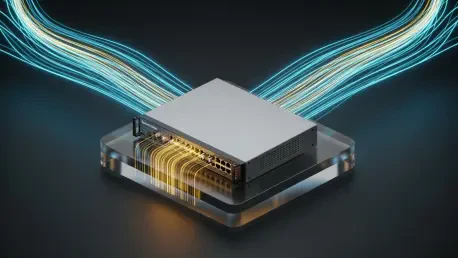
The physical layout of the device prioritizes operational clarity by placing all primary data ports and diagnostic status LEDs on the front panel to facilitate easier cable management and real-time monitoring. This design is particularly beneficial in cramped rack environments where accessing the rear of the unit is often difficult or impossible without disconnecting other equipment. The inclusion of sixteen 10Gbase-T ports allows for direct, high-speed connections to workstations and network-attached storage units using standard Category 6A or better cabling, which eliminates the need for expensive and sometimes fragile SFP+ adapters or specialized transceivers. Furthermore, the two dedicated SFP+ uplink ports provide the necessary flexibility to connect to a high-speed fiber backbone or to daisy-chain multiple switches across longer distances. This specific combination of ports ensures that the hardware remains relevant as a central hub for localized high-bandwidth tasks while still offering a clear path for future expansion.
Thermal Dynamics: Deployment Versatility
Maintaining stable operating temperatures is a critical challenge for high-density 10GbE hardware due to the significant heat generated by copper-based high-speed transmissions. This switch utilizes a sophisticated thermal management system involving strategic side-mounted vents and internal fans that adjust their speed based on the current workload and ambient temperature. Unlike many entry-level or consumer-grade switches that rely on cumbersome external power bricks, the C1300-16XTS incorporates an internal power supply with a standard AC inlet located on the rear of the chassis. This integrated approach not only reduces clutter within the server rack but also improves the overall reliability of the power delivery system by using professional-grade components. The compact depth of the metal chassis further enhances its versatility, allowing it to be mounted in shallow wall cabinets or placed on lab shelves where space is at a premium. Such engineering details emphasize its role as a professional tool rather than a consumer gadget.
Strategic Integration and Software Capabilities
Managed Networking: Professional Ecosystems
The true value of this hardware lies in its management software, which provides a level of control and security that unmanaged or “smart-managed” alternatives simply cannot match in a professional setting. By utilizing the established Cisco software ecosystem, administrators gain access to a comprehensive suite of features including advanced VLAN configuration, Spanning Tree Protocol for loop prevention, and granular Quality of Service controls. These tools are essential for prioritizing time-sensitive traffic, such as voice-over-IP or real-time video editing streams, ensuring that critical business operations are never throttled by background data synchronization or large file transfers. Security is another area where the managed nature of the switch excels, offering features like Port Security and Access Control Lists to prevent unauthorized devices from compromising the integrity of the internal network. The ability to manage the device through a modern web interface or a traditional command-line interface provides flexibility for IT staff with varying levels of expertise.
Future-Proofing: Local Network Infrastructures
Investing in 10GbE technology today is a strategic move to ensure that local infrastructure remains capable of handling the increasing demands of software-defined networking and large-scale data backup routines. The C1300-16XTS serves as an ideal aggregation point for high-performance workstations that require consistent throughput for 8K video rendering, 3D modeling, or large-scale software development. Because the switch supports a diverse range of speeds including 100M, 1G, 2.5G, 5G, and 10G, it can seamlessly integrate legacy hardware while providing a clear upgrade path for newer devices that support intermediate speeds. This multi-gigabit support is particularly important for modern wireless access points and specialized industrial equipment that may not require a full 10Gbps but still exceed the limits of traditional Gigabit Ethernet. By centralizing these connections into a single, highly manageable unit, organizations can significantly reduce the complexity of their network topology while improving overall uptime and data transfer speeds.
Implementation Guidelines and System Optimization
Network administrators who deployed the C1300-16XTS prioritized the identification of high-bandwidth bottlenecks before beginning the physical installation process to ensure maximum impact. The first step involved assessing the existing cable plant to confirm that all copper runs were verified for Category 6A standards, as older cabling often failed to maintain 10Gbps speeds over extended distances. Once the physical layer was secured, the management interface was utilized to establish isolated VLANs for sensitive departments, which effectively reduced broadcast traffic and enhanced the overall security posture of the organization. Configuring the uplink ports with Link Aggregation Control Protocol allowed for redundant paths to the core network, which mitigated the risk of a single point of failure during peak operating hours. Monitoring tools were then enabled to track temperature and port utilization, providing valuable data that helped in optimizing the cooling environment for the rack. These proactive measures ensured that the transition to a high-speed managed environment remained stable and yielded immediate performance gains for all connected users.