
A dedicated low-cost broadband plan priced at forty dollars per month has been established to prevent the affordability gap from hindering digital adoption within the community. This move marks the official transition of the Santa Ynez Band of Chumash Indians from a period of digital isolation into a period defined by high-speed fiber-optic connectivity. For years, the reservation was hampered by a lack of reliable infrastructure, creating a significant divide between tribal members and neighboring urban centers that enjoyed seamless internet access. The activation of this network is the result of a multiyear effort to provide more than just a convenience; it is a fundamental utility that levels the playing field for education, commerce, and public safety. By establishing a robust fiber-optic backbone, the tribe has successfully addressed the immediate hurdles of communication while simultaneously constructing a permanent platform for long-term social and economic evolution. This milestone reflects a broader commitment to ensuring that sovereign lands are not left behind as the rest of the world moves deeper into the digital age, providing a necessary foundation for the next generation of tribal leaders and residents to thrive in an increasingly connected global economy.
Strategic Partnerships and Funding
The success of this large-scale infrastructure project was not achieved in a vacuum but through a complex web of financial support and inter-agency cooperation. Central to the initiative was a $4.7 million grant provided by the California Public Utilities Commission, which recognized the unique needs of the Santa Ynez valley. This funding was specifically allocated to address the difficulties of last-mile connectivity, a common obstacle in rural and tribal regions where the cost of extending service to individual homes can be prohibitively expensive for private providers. By securing these funds, the tribe was able to offset the massive capital expenditures required to lay fiber in challenging terrain, ensuring that the project remained financially solvent from its inception. The state’s investment served as a catalyst, proving that public-private partnerships are the most effective way to solve the persistent issue of the digital divide. Furthermore, this financial backing allowed the tribe to maintain control over the network’s design, ensuring it was built to accommodate future growth and technological shifts that will occur over the next several decades.
Collaborative Support and Financial Investment
The California Public Utilities Commission did more than just sign a check; they provided a roadmap for technical success that helped the tribe navigate the complexities of utility management. Through specialized technical assistance programs, the tribe was able to develop sophisticated financial models that account for maintenance, upgrades, and operational costs. This level of planning ensures that the network is not just a temporary fix but a sustainable long-term asset that will continue to serve the community for generations. The focus on last-mile infrastructure was particularly vital, as it ensured that the high-capacity signal from the state’s backbone actually reached the front doors of tribal members, rather than stopping at the reservation boundary.
Investment strategies also prioritized the development of a local workforce capable of managing the system. By leveraging the technical frameworks provided by state agencies, the tribe’s IT department transformed into a specialized unit capable of overseeing complex fiber-optic installations. This internal capacity building reduces the reliance on outside contractors for day-to-day operations and ensures that any technical issues can be addressed rapidly by people who live within the community. The marriage of state funding and tribal initiative has created a blueprint for how other sovereign nations can utilize government grants to achieve total technological independence while maintaining high standards of service.
Key Organizational Alliances
Moving from a conceptual design to a live customer installation required the coordinated efforts of several high-level organizations, including the California Department of Technology and Caltrans. These agencies were instrumental in streamlining the permitting process and providing access to the existing right-of-way infrastructure necessary for laying miles of cabling. Private sector expertise was also brought into the fold, with Cal.net serving as the primary service provider. This collaboration allowed the tribe to tap into professional network management experience while keeping the core infrastructure under tribal jurisdiction. The synergy between these various entities ensured that the technical requirements of a modern high-speed network were met without compromising the tribe’s sovereign interests.
Technical firms such as HP Communications and Baker Tilly also played essential roles in the commissioning and construction phases of the project. Their involvement ensured that the physical installation met the rigorous standards required for 5-gigabit speeds and that the financial reporting for the grant was handled with absolute precision. This network of alliances demonstrates that bridging the digital divide is a collective effort that requires the alignment of policy makers, technical experts, and community leaders. By bringing together the best minds in the industry, the Santa Ynez Band was able to overcome the logistical hurdles of building a modern network from the ground up on lands that had been overlooked by traditional telecommunications giants for decades.
Technical Infrastructure and Capabilities
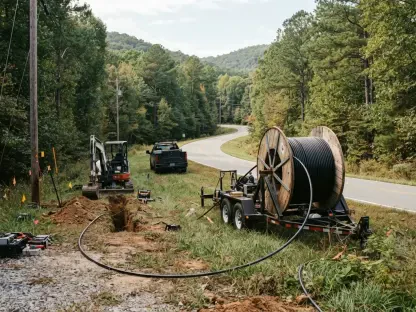
The backbone of this new digital era is a sophisticated 13-mile underground fiber-optic network that connects the original reservation and the Camp 4 area to California’s high-capacity data corridor. This infrastructure was designed to provide symmetrical speeds of up to 5 gigabits per second, a massive leap over the aging DSL and unreliable satellite connections that previously served the area. Symmetrical speeds are particularly important in the modern environment, as they allow for high-speed data transmission in both directions, which is essential for video conferencing, large file uploads, and real-time cloud computing. By installing the cables underground, the tribe has also ensured the network is protected from the environmental hazards common in the valley, such as wildfires and severe weather, which frequently disrupted older, above-ground copper lines. This focus on durability and high performance ensures that the reservation now possesses some of the most advanced internet capabilities in the entire region, surpassing many nearby metropolitan areas in terms of pure speed and reliability.
Network Specifications and Reach
The reach of this network extends to over 300 individual locations, providing essential services to more than 800 residents. The transition to an open-access network model means that the infrastructure is built to be flexible, allowing for the integration of various data and voice services through a single fiber-optic connection. For the residents, this means a significant reduction in the complexity of their home technology setups, as a single line can now handle everything from high-definition streaming and online gaming to professional-grade telecommunications. This comprehensive coverage ensures that no corner of the reservation is left in a “dead zone,” effectively equalizing opportunities for all tribal members regardless of their specific geographic location within the valley.
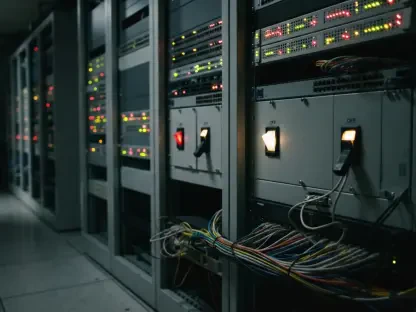
Furthermore, the choice of fiber-optic technology represents a future-proof investment that will not need to be replaced as data demands increase. Unlike copper wire or wireless signals, fiber has a nearly limitless capacity for carrying information, meaning that as 10-gigabit or even faster standards become the norm, the existing physical cables will still be able to support them with only minor equipment updates at the ends of the lines. This technical foresight ensures that the tribe’s investment will remain relevant and powerful for decades. The project has also integrated advanced monitoring systems that allow the IT department to detect and repair faults in the line before they result in a service outage, providing a level of reliability that was previously unimaginable for the community.
Future Expansion and Maintenance
The activation of the initial network segments is just the beginning of a broader rollout that will continue through the end of 2027. Future phases of the project involve extending fiber-optic reach along Route 246 and other strategic locations to ensure that every planned development and outlying property has access to the same high-speed standards. This phased approach is intentional, allowing for the rigorous testing of each segment as it goes live and ensuring that the initial customer base receives dedicated support during the transition. By scheduling the completion of these expansions over the next year and a half, the tribe can manage the logistical demands of construction without overwhelming the existing community infrastructure or disrupting daily life.
Maintenance of this network is being handled through a proactive framework that prioritizes the longevity of the physical assets. The tribe has established a dedicated maintenance fund and a specialized rapid-response team to address any physical damage or hardware failures immediately. This commitment to upkeep is a critical component of digital sovereignty, as it ensures the tribe is never again dependent on the slow response times of external corporate entities to fix essential communication lines. As the network matures, the data collected from usage patterns will be used to optimize performance and plan for future capacity upgrades, ensuring that the system evolves in tandem with the needs of the tribal members it was built to serve.
Community Impact and Digital Equity
The arrival of high-speed fiber is fundamentally changing the way of life for the Santa Ynez Band, addressing long-standing issues of digital equity and socioeconomic access. For years, the lack of reliable internet meant that residents had to make difficult choices, such as traveling to local libraries or sitting in restaurant parking lots just to access basic online services. This “digital struggle” is now a thing of the past, as the reservation is fully integrated into the global network. The impact is seen most clearly in the realms of education and healthcare, where high-speed access is no longer a luxury but a requirement. Students can now participate in virtual classrooms and access research materials from the comfort of their homes, while older residents can utilize telemedicine to consult with specialists without the need for exhausting travel. These changes are not just about convenience; they are about improving the quality of life and health outcomes for the entire community by removing the barriers that once limited their options.
Socioeconomic Benefits for Residents
Beyond the immediate improvements to daily life, the fiber network is a powerful engine for economic development. With 5-gigabit speeds, tribal members can now pursue high-paying remote work opportunities in tech, finance, and other industries that were previously inaccessible due to connection timeouts and slow upload speeds. This ability to work from the reservation allows families to stay together and keeps the economic benefits of those salaries within the community. Small businesses owned by tribal members are also seeing a surge in capability, as they can now leverage digital marketing, e-commerce platforms, and cloud-based inventory management to compete on a global scale. The network has effectively transformed the reservation into a hub of digital entrepreneurship, fostering a new culture of innovation and self-sufficiency.
Education has also been revolutionized by the new infrastructure, as the “homework gap” has been effectively closed. In the modern educational environment, teachers expect students to have constant access to online portals for assignments and collaboration. Previously, tribal students were at a disadvantage compared to their peers in urban schools; however, the new fiber network ensures they have the same tools and resources as anyone else in the state. This equality in access is the foundation of long-term success, as it prepares the younger generation for higher education and careers in a world where digital literacy is mandatory. The psychological impact of no longer being “disconnected” cannot be overstated, as it reinforces a sense of belonging and participation in the wider world.
Long-Term Affordability and Access
To ensure that the technological benefits of the network are shared by everyone, the tribe has implemented strict policies regarding affordability. They have committed to a stable pricing structure that will remain in place for at least 10 years, protecting residents from the sudden price hikes that often occur when private companies dominate a local market. This price stability is a cornerstone of the tribe’s digital equity strategy, ensuring that families can budget for internet service as a fixed, predictable utility. By removing the fear of predatory pricing, the tribe has made the internet a permanent fixture in tribal households, encouraging deeper engagement with digital tools and services over the long term.
Access is also being treated as a fundamental right rather than a privilege. The establishment of the low-cost plan ensures that no household is left behind due to financial constraints, recognizing that the most economically vulnerable members of the community often stand to gain the most from digital connectivity. This holistic approach to access considers not just the physical connection, but the financial reality of the residents. By prioritizing people over profits, the Santa Ynez Band has set a new standard for how tribal governments can manage essential services. This focus on total community inclusion ensures that the benefits of the fiber-optic revolution are felt by everyone, from the most successful business owners to the students just beginning their educational journeys.
A Model for Tribal Sovereignty
The successful activation of the Santa Ynez fiber network has provided a definitive model for how tribal sovereignty can be expressed through infrastructure. By taking control of their own technological destiny, the tribe has moved away from a period of dependency on external providers who often ignored their needs. This project demonstrated that with the right partnerships and a clear vision, sovereign nations can build and manage complex systems that rival or exceed those found in the private sector. The lessons learned during the construction and implementation phases are now being shared with other tribal communities across California, serving as a roadmap for those looking to eliminate the digital divide on their own lands. The tribe’s leadership proved that digital sovereignty is a critical component of modern self-determination, providing the tools necessary for a nation to govern its own data and communications.
Looking back on the project’s completion, the tribe successfully moved past the era of underinvestment and technical neglect. The strategic decisions made between 2026 and the present day ensured that the infrastructure was built with high standards of symmetrical speed and reliability. Moving forward, the focus shifted toward the final expansion phases scheduled for 2027, with the goal of achieving 100 percent coverage across all tribal territories. This initiative not only solved the immediate problem of connectivity but also established a permanent, scalable foundation for future innovation. By integrating these high-speed systems into the daily fabric of reservation life, the Santa Ynez Band ensured that their community would remain a leader in the digital economy for the foreseeable future.