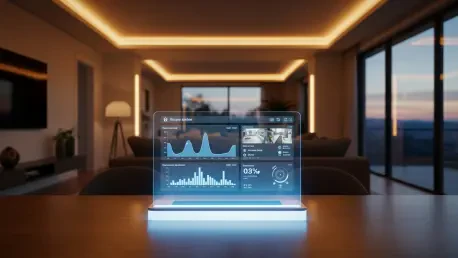

Modern residential environments have transitioned from being merely equipped with standalone gadgets to being defined by a cohesive digital infrastructure that determines the daily efficiency and security of the occupants. In the current landscape, the success of a smart home is no longer measured by the sheer volume of gadgets but by the strength and reliability of its underlying management infrastructure. As the market becomes saturated with various sensors and security devices, the central management application has emerged as the most critical element of the user experience, dictating how effectively these tools communicate. A well-integrated system does more than just toggle lights; it acts as a genuine financial asset by lowering energy bills and increasing property value through seamless, efficient automation. This shift has turned the home management app into the brain of the residence, where every automated routine adds a layer of convenience that was previously unattainable. For modern homeowners, selecting the right software is a decision that impacts not just their comfort, but the long-term viability of their technological investments. This foundational layer ensures that as more devices are added, the system remains manageable rather than becoming a source of digital clutter and frustration. By centralizing control, these applications allow for a level of precision that makes the home feel truly responsive to the inhabitants’ needs.
Leading Ecosystems for Integration and Privacy
Google Home stands out as the primary choice for users seeking a streamlined, cross-platform experience that requires very little manual configuration. By leveraging its ownership of brands like Nest and Chromecast, Google provides a native environment that simplifies the management of complex hardware setups for the average household. The “Works with Google Home” certification has become a baseline requirement for many, ensuring a plug-and-play feel that reduces the friction of adding new devices to an existing network. Features like room zoning and grouping allow users to control large sections of their property, such as the upstairs or the backyard, with minimal effort and highly intuitive voice commands. This ecosystem thrives on its ability to aggregate data from various sources to provide a holistic view of the home’s status, from energy consumption to security alerts. The interface has been refined to prioritize the most frequently used actions, making it accessible for everyone in the family, regardless of their technical proficiency. Furthermore, the integration with mobile operating systems ensures that control is always just a swipe away, providing a consistent experience whether the user is at home or traveling. This level of accessibility is a key driver in the widespread adoption of smart technology across diverse demographics.
For those who prioritize privacy and total data ownership, Home Assistant has emerged as the gold standard for tech-savvy homeowners and privacy advocates. This platform operates primarily on local servers rather than relying on the cloud, ensuring that the home remains fully functional even if the internet connection fails or a manufacturer goes out of business. While it requires more technical involvement to set up and maintain, its ability to unify hundreds of disparate devices into a single, secure interface makes it the top choice for those wary of corporate data collection. Home Assistant allows for deep customization, enabling users to write complex scripts and design personalized dashboards that reflect the unique layout and needs of their residence. The open-source nature of the project means that new device integrations are added daily by a global community of developers, often long before official support is released by the manufacturers. This creates a resilient ecosystem that is not beholden to the whims of any single company or subscription model. By keeping all data within the four walls of the house, it provides a level of digital security that cloud-based competitors simply cannot match. It represents a commitment to the idea that a smart home should be a private sanctuary, free from external monitoring and third-party data monetization.
Specialized Tools for Automation and Budget-Minded Users
IFTTT serves as the essential logic engine for a truly collaborative smart home, specializing in complex automation that standard hubs often fail to address. Through its system of “Applets,” users can create cause-and-effect chains that bridge different brands and services, such as syncing a security system with professional home theater components or weather-dependent irrigation systems. This level of flexibility transforms a house from a collection of remote-controlled gadgets into an intelligent, responsive environment that reacts to specific behavioral triggers and external data points. For example, an automation could be set to close the blinds and lower the thermostat when a personal calendar indicates a departure for a vacation, or to flash the entryway lights when a delivery is detected at the front gate. These multi-brand workflows are the backbone of a sophisticated automation strategy, allowing products that were never designed to work together to function as a single unit. The platform has expanded its capabilities to include sophisticated filtering and multi-step actions, providing power users with the tools needed to solve niche problems. It remains the most effective way to fill the gaps between different proprietary ecosystems, ensuring that the user is never locked into a single brand’s limited feature set.
On the other end of the financial spectrum, Wyze has disrupted the market by offering a sophisticated and reliable experience at a fraction of the traditional cost. Originally known for its highly affordable cameras, the brand has expanded into a full ecosystem of smart locks, vacuums, and lighting solutions, all managed through a practical and feature-rich application. This democratization of technology allows homeowners to build their systems incrementally without sacrificing the high-level automation and reliability typically reserved for more expensive competitors. The application is designed for speed and utility, allowing users to check live feeds, unlock doors, or adjust schedules with minimal navigation. Despite the lower price point, the hardware often matches the performance of premium alternatives, making it an attractive option for renters or first-time buyers who want a smart home without a massive initial investment. The company has focused on creating a cohesive experience where each new device adds value to the existing ones, such as a motion sensor triggering a camera recording and a hallway light simultaneously. This approach has proven that high-quality smart home management does not have to be a luxury, but can be an accessible utility for every household. By maintaining a narrow focus on essential features, the platform avoids the bloat that often plagues more expensive management tools.
Premium Solutions and Future-Proof Hubs
Homey represents the luxury tier of smart home management, catering to users who want advanced automation without the technical headache of maintaining a personal server or writing custom code. The Homey Pro hub is built to be inherently future-proof, supporting a vast array of communication protocols including Matter, Zigbee, Z-Wave, and Infrared. Its signature “Flows” engine allows for the creation of intricate routines through a simple “tap and go” interface, making high-end automation accessible to everyone in the household. This system is designed for those who have invested heavily in a diverse range of high-end appliances and want a single, elegant interface to rule them all. The hardware itself is a piece of industrial design, intended to be displayed rather than hidden in a closet, reflecting its status as the centerpiece of the modern home. The software provides detailed insights into energy usage and device health, allowing users to optimize their environment for both comfort and sustainability. By offering a curated experience that balances power with ease of use, it has carved out a niche for itself among homeowners who value their time as much as their technology. The stability of the platform ensures that even the most complex routines execute with millisecond precision, providing a level of reliability that mimics professional-grade commercial installations.
A defining theme of the current year is the industry-wide push for interoperability, largely driven by the widespread adoption and implementation of the Matter protocol. This shift marks the definitive end of the “walled gardens” that once forced consumers to choose between incompatible ecosystems, as brands are increasingly forced to communicate with one another to provide a cohesive experience. Whether through software bridges or dedicated hardware hubs, the modern home thrives on the ability of different devices to work together fluently, regardless of which company manufactured them. This interoperability has sparked a wave of innovation, as manufacturers must now compete on the quality and features of their hardware rather than their ability to lock users into a specific app. For the consumer, this means a wider range of choices and the ability to mix and match the best products from various vendors into a single, unified system. The role of the management app has consequently shifted from being a proprietary gatekeeper to becoming a universal translator that manages these diverse signals. This evolution has made the smart home more resilient, as replacing a single hub or switching to a different management app no longer requires replacing every connected device in the house. It has fostered a more competitive and consumer-friendly market where the quality of the user interface is the primary differentiator.
The Strategic Evolution of Intelligent Management
The ongoing debate between local and cloud-based control continues to shape consumer choices, reflecting a broader concern for digital security and system uptime in a hyper-connected world. While cloud services offer undeniable convenience and easy remote access from anywhere in the world, local control provides a faster, more resilient sanctuary for personal data and critical home functions. Simultaneously, the focus of these management apps has moved from simple manual scheduling to proactive intelligence, where the system anticipates user needs based on environmental patterns. Sensors now work in tandem with machine learning algorithms to adjust lighting, temperature, and security protocols without requiring direct user intervention. This transition toward “invisible” technology means that the best smart home experience is often the one that requires the least interaction from the occupants. It creates an environment that maintains itself, optimizing for energy efficiency during peak hours and ensuring safety through predictive alerts. The emphasis has shifted from what the user can do with the app to what the app can do for the user. This proactive stance is essential for managing the increasing complexity of modern residences, where dozens of variables must be balanced to maintain a comfortable and secure living space.
The process of selecting the right management app required a deliberate focus on reliability, functional depth, and the strength of community backing. Top-tier applications in the current market were distinguished by their cross-platform stability and the existence of active user groups that offered troubleshooting and creative automation ideas. To achieve the best results, users assessed their specific household needs by testing different logic engines and local versus cloud configurations. They prioritized systems that supported the latest interoperability standards to avoid hardware obsolescence and ensured that their chosen platform could scale as their needs grew. By focusing on the long-term resilience of the digital hub rather than the novelty of individual gadgets, households successfully created environments that were both responsive and secure. Ultimately, the choice of a central application determined whether a home functioned as a unified entity or a disjointed collection of tools. Homeowners who invested time into understanding the underlying protocols found that their smart environments provided a higher return on investment and a more intuitive daily experience. This strategic approach ensured that the technology served the inhabitants, rather than requiring the inhabitants to serve the technology. Success was found by those who looked beyond the initial setup and considered how their system would evolve over the next several years.