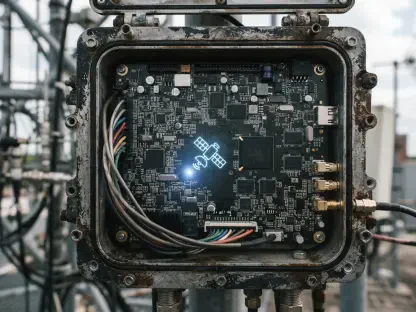

By moving computational power from centralized data centers to the network edge, Elisa and NVIDIA are transforming traditional cellular infrastructure into a distributed AI platform. This fundamental shift marks the dawn of the AI-RAN era, where telecommunications hardware is no longer dedicated solely to transmitting signals but also to processing complex algorithms. In a series of pioneering live-network trials across Finland, Elisa integrated voice services, mobile data transmission, and high-speed video analytics onto a single Nokia-supported accelerated computing framework. This convergence allows the 5G Advanced network to function as a unified ecosystem, effectively turning base stations into mini-data centers. The integration of NVIDIA’s GPU technology into the RAN architecture provides the necessary horsepower to handle heavy AI workloads in real-time. Consequently, the distinction between communication and computation is blurring, paving the way for a more versatile and cost-effective digital landscape that supports a wide range of smart city applications.
Convergence of Network Intelligence and Edge Computing
This architectural evolution enables a new generation of low-latency applications that were previously restricted by the physical distance to centralized servers. One prominent example featured in the recent Finnish trials is Moontalk AIRI, a voice assistant designed for natural, real-time conversations without the typical lag associated with cloud-based processing. Furthermore, the deployment of autonomous network agents has begun to revolutionize operational maintenance. These AI-driven entities possess the capability to self-optimize signal strength and conduct automated repairs within the network fabric, ensuring higher uptime and reliability for end-users. Localized processing also addresses growing concerns regarding data privacy and security. By performing video analytics directly at the edge, the system identifies safety risks from camera feeds without transmitting sensitive raw footage across the public internet. This decentralized approach ensures that critical data stays within its immediate vicinity, providing a secure environment for enterprise and public safety sectors alike.
Strategic Roadmap: From Trials to Global Standards
The successful validation of AI-RAN in outdoor 5G environments provided a technical blueprint for the commercial services slated for 2027. Stakeholders from the telecommunications industry recognized that an AI-native approach became the prerequisite for the eventual transition to 6G standards. Leaders from Elisa and NVIDIA emphasized that combining connectivity with intelligence on a shared infrastructure mitigated the high costs of building redundant systems. Operators who adopted this hybrid model achieved a competitive advantage by delivering ubiquitous, low-latency AI inference at the network’s periphery. The trials established that digital infrastructure must prioritize high-speed autonomy and localized security to meet the demands of future industrial automation. Decision-makers were encouraged to invest in flexible, software-defined radio architectures that could evolve alongside rapidly advancing machine learning models. This transition proved that the integration of accelerated computing into the cellular core was the only viable path for sustainable global connectivity.