
The rapid acceleration of digital transformation within the Philippine industrial sector has reached a critical juncture where the integration of high-speed connectivity and artificial intelligence is no longer optional for maintaining market relevance. As traditional business models face increasing pressure to optimize resources and reduce operational overhead, the strategic alliance between PLDT Enterprise and Xeleqt has emerged as a cornerstone of the regional AIoT ecosystem. By combining the vast telecommunications infrastructure of the nation’s largest provider with sophisticated software capabilities, this partnership is effectively dismantling the barriers to entry for complex technology deployments. Organizations are now finding themselves at the precipice of a new era where data is not merely collected but is immediately translated into actionable intelligence. This shift represents a fundamental change in how enterprises perceive their internal assets, moving from static management to dynamic, real-time interaction with every component of the supply chain.
The Convergence of Robust Connectivity and Machine Intelligence
Digital Foundation: The Role of High-Bandwidth Networks
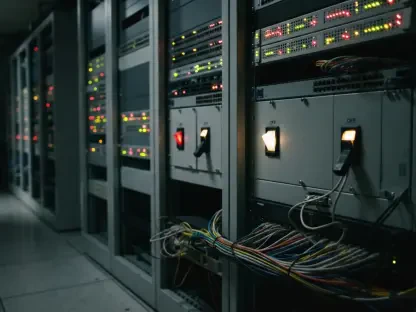
The effectiveness of any artificial intelligence system is inherently limited by the quality and speed of the data pipelines that feed it, making PLDT’s extensive fiber and 5G network the essential backbone of this technological evolution. Without a low-latency environment, the massive datasets generated by thousands of sensors across a manufacturing plant or a shipping fleet would remain siloed and ineffective. The current deployment focuses on creating a seamless fabric of connectivity that ensures data packets are transmitted with minimal delay, allowing for instantaneous processing at the edge or in the cloud. This reliable infrastructure allows businesses to move beyond simple telemetric tracking toward comprehensive environmental awareness, where every sensor contributes to a larger digital twin of the operation. Consequently, the stability provided by this network layer ensures that critical decisions, such as emergency shutdowns or rerouting of high-value cargo, are made based on the most current information available, thereby minimizing risk.
Edge Intelligence: Processing Information at the Source
Xeleqt complements this connectivity by providing the analytical layer that sits atop the network, utilizing advanced algorithms to interpret the deluge of raw data generated by various IoT devices. By implementing edge computing solutions, the partnership allows for significant data processing to occur closer to where the information is actually collected, rather than relying solely on centralized servers. This methodology reduces the load on the wider network and provides immediate insights that are vital for time-sensitive industrial applications. For instance, in a smart warehouse environment, the system can autonomously manage inventory levels and detect equipment anomalies before they result in costly downtime. The integration of machine learning models allows these systems to learn from historical patterns, continuously improving their accuracy in predicting maintenance needs or optimizing energy consumption. This transformation enables businesses to operate with a level of precision that was previously unattainable, turning raw sensor output into a competitive strategic asset.
Strategic Implementations Across Industrial Sectors
Fleet Management: Redefining Logistics Through Telematics
In the logistics and transportation sector, the application of AIoT technologies is fundamentally altering how fleets are managed and monitored across challenging geographic terrains. The collaboration utilizes high-precision GPS tracking combined with onboard diagnostics and driver behavior analysis to create a comprehensive view of mobile assets. This level of oversight goes beyond simple location tracking; it includes the monitoring of fuel efficiency, tire pressure, and engine health, all processed through Xeleqt’s intelligent platform. By identifying inefficient driving habits or unauthorized vehicle use, companies have been able to achieve significant reductions in fuel costs and insurance premiums. Furthermore, the integration of real-time traffic data and predictive routing ensures that delivery schedules are maintained despite unpredictable external factors. This optimization not only improves the bottom line for logistics providers but also enhances the overall reliability of the national supply chain, ensuring that essential goods reach their destinations with unprecedented efficiency and safety.
Urban Infrastructure: Enabling the Growth of Smart Cities
The broader implications of this technological synergy extended into the realm of public infrastructure, where smart city initiatives utilized these tools to manage urban density and resource allocation. City planners and private developers integrated sensors into public lighting, waste management systems, and water distribution networks to create a more responsive and sustainable environment. The data gathered from these deployments provided the foundation for informed policy decisions and infrastructure investments that directly improved the quality of life for residents. For businesses looking to capitalize on these advancements, the path forward required a commitment to interoperable standards and a willingness to invest in specialized talent capable of managing AI-driven systems. Decision-makers were encouraged to prioritize pilot programs that addressed specific operational bottlenecks before scaling solutions across their entire organization. Ultimately, the successful adoption of these technologies depended on a holistic strategy that aligned technological capability with clear economic and environmental objectives.