
A mature digital-twin environment allows for AI-driven reasoning across multiple network layers to identify root causes instead of merely treating visible symptoms. In the current telecommunications landscape of 2026, the pursuit of network autonomy has transitioned from a visionary goal to an operational mandate. Operators are grappling with an unprecedented surge in complexity driven by the mass deployment of 5G-Advanced and the early exploration of 6G architectures. These infrastructures demand more than traditional automation; they require a system capable of self-perception and self-correction. The digital continuum serves as the architectural backbone for this evolution, guiding organizations through the necessary stages of digital maturity. By establishing a continuous flow of data from static representations to dynamic simulations, providers can finally move away from reactive maintenance. This shift ensures that every adjustment is informed by a comprehensive understanding of the network’s current state and its future trajectory.
1. Define Accurate and Uniform Digital Blueprints
Establish the foundation by creating structured representations of the network. This involves mapping out the physical layout, system settings, interdependencies, and how services are linked to allow for effective simulation and strategic planning. These models are not merely diagrams but are sophisticated representations that capture the intricate details of hardware and logical service dependencies. They serve as the essential baseline for any advanced autonomous function.
In 2026, the focus has shifted toward ensuring that these blueprints are uniform across various vendor ecosystems, particularly within Open RAN environments. By mapping how each component interacts with others, engineers can run high-fidelity simulations that predict the outcome of configuration changes before implementation. This baseline level of digital modeling provides the essential context required for all subsequent automation efforts and ensures structural awareness across the entire platform.
2. Incorporate Live Telemetry into Unified Digital Reflections
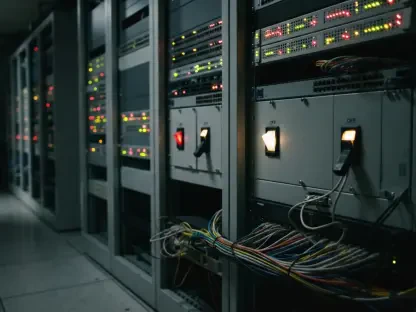
Transition from static information to dynamic awareness by streaming real-time data from the active network. This step consolidates performance statistics, system alerts, and traffic trends into a single view, ensuring the system stays updated on current conditions. In the high-speed environment of 2026, streaming telemetry has largely replaced legacy polling methods, allowing for near-instantaneous updates to the digital reflection and providing an accurate, real-time mirror of infrastructure.
Consolidating this diverse telemetry into a unified digital reflection is essential for breaking down operational silos. Instead of having separate views for different layers, a unified shadow integrates all relevant data into one pane. This holistic view enables sophisticated contextual analysis, where a performance dip in one sector can be immediately correlated with a specific bottleneck. These reflections pave the way for more interactive relationships between digital representations and physical assets.
3. Implement Supervised, Policy-Based Feedback Cycles
Move toward active interaction by allowing insights from data to drive network adjustments. By using bi-directional communication between the digital system and the physical infrastructure, operators can begin utilizing closed-loop automation to fix issues or optimize performance without manual input. These closed-loop cycles are governed by strict operational policies that define the boundaries of action, ensuring that the system remains within safe parameters while it performs complex tasks.
Managing the risks associated with automated interventions requires a framework that emphasizes transparency. While the goal is to reduce manual input, initial phases often rely on a ‘human-in-the-loop’ approach where the system suggests actions approved by experts. In 2026, maintaining this level of traceability is vital for regulatory compliance and building trust. By embedding guardrails into the loop, operators maintain stability while reaping the benefits of increased operational speed.
4. Scale Automation Progressively Across All Sectors
Expand these capabilities beyond individual silos to cover the entire network landscape, including radio access, transport, and core infrastructure. This broad integration ensures the system can identify root causes across different domains and maintain overall network health through self-healing and self-optimization. A glitch in a cloud edge server can affect a low-latency 5G slice miles away, making cross-domain awareness critical for maintaining reliable connectivity and performance in 2026.
Achieving this holistic integration also enables the network to perform complex self-optimization tasks like balancing energy consumption against performance in real time. This level of efficiency is critical as operators strive to meet sustainability targets while managing high-performance demands. By viewing the entire network as a single, interconnected organism through the lens of the digital continuum, providers can achieve an operational resilience that was once deemed technically impossible.
Establishing Resilient Systems Through Structural Governance
The journey toward autonomous operations proved to be an evolutionary process rather than a single technological leap. Successful organizations recognized that the foundation for intelligent systems resided in the quality of their digital data and the structure of their modeling frameworks. By moving systematically through the stages of the digital continuum, these operators established the transparency and control needed to scale AI-driven initiatives safely across the entire enterprise.
The integration of real-time telemetry with sophisticated digital twins allowed for a significant reduction in mean time to repair and a noticeable improvement in overall network efficiency. Moving forward, the focus shifted toward refining the governance models that oversee these autonomous loops to ensure long-term reliability. To maintain this momentum, stakeholders prioritized the continuous refinement of data standards and the adoption of cross-domain orchestration tools for future resilience.