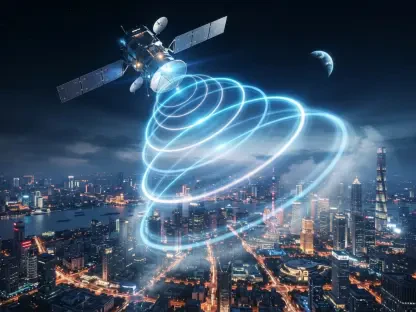

By moving computational power from centralized data centers to the network edge, Elisa and NVIDIA are transforming traditional cellular infrastructure into a distributed AI platform. This fundamental shift marks the dawn of the AI-RAN era, where telecommunications hardware is no longer dedicated
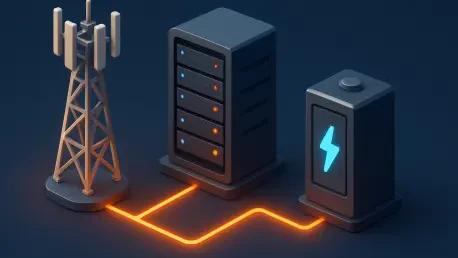
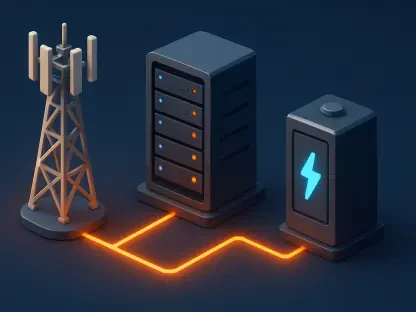
The collaboration between Econet InfraCo and Cassava Compute has produced a specialized AI Fuel Mode designed to eliminate unnecessary generator runtime through precise synchronization with the national grid. This technological leap addresses a persistent challenge in the telecommunications

The global market for Internet of Things technology in retail is projected to climb from $39.91 billion in 2025 to a staggering $138.39 billion by the end of 2030. This monumental shift reflects a deeper movement where physical brick-and-mortar locations are no longer isolated from the digital

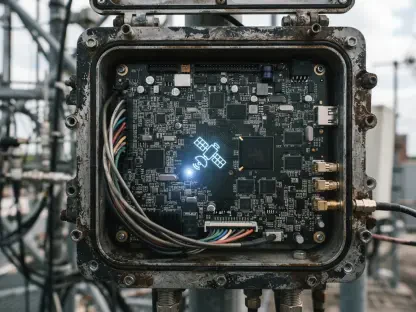
The speed at which telecommunications infrastructure has evolved from passive signal transmission to cognitive, self-aware systems is unprecedented in the history of industrial technology. A critical challenge in the radio access network involves bridging the gap between theoretical AI models and
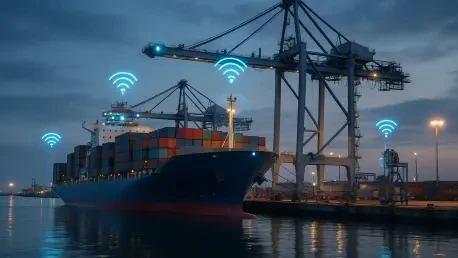
September 2024 marked a historic turning point for Indian maritime infrastructure when the Mormugao Port Authority secured authorization for its own private 5G spectrum. This landmark achievement designated the Goa-based facility as the first major government autonomous body to obtain a Captive
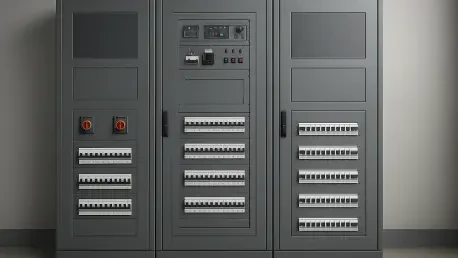
Vicor Corporation has seen its stock value surge by sixty-seven percent this year due to its dominance in vertical power delivery solutions for high-performance AI processors. This remarkable financial performance serves as a bellwether for a much larger transformation currently reshaping the
1 2 3 4 5 6 7 8 9 10 11 12 13 14 15 16 17 18 19 20 21 22 23 24 25 26 27 28 29 30 31 32 33 34 35 36 37 38 39 40 41 42 43 44 45 46 47 48 49 50 51 52 53 54 55 56 57 58 59 60 61 62 63 64 65 66 67 68 69 70 71