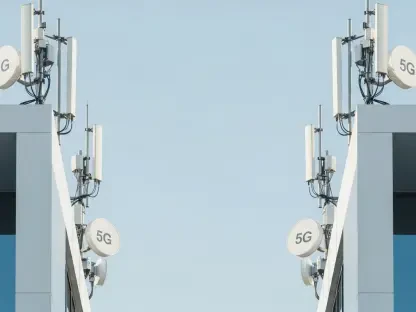

What if a mobile network could anticipate and resolve issues before a single user experiences a dropped call or slow data speed? This proactive, self-healing capability is no longer a futuristic concept but a present-day reality in Spain, where a groundbreaking partnership between MasOrange and Ericsson is reshaping the telecommunications landscape. The collaboration has culminated in Europe’s most extensive commercial 5G Open RAN deployment, a strategic initiative designed to usher in a new era of network efficiency, innovation, and sustainability.
A New Era for Network Architecture
Open RAN represents a fundamental paradigm shift away from traditional, proprietary network systems. For decades, mobile networks were built using closed, single-vendor hardware and software, creating a rigid infrastructure that limited flexibility and innovation. Open RAN, or Open Radio Access Network, dismantles these “walled gardens” by promoting open interfaces and interoperability. This allows operators like MasOrange to build their networks using components from a diverse ecosystem of suppliers, fostering competition and accelerating the pace of technological advancement.
This newfound architectural freedom is a strategic game-changer. By embracing an open framework, MasOrange can integrate best-in-class solutions for different parts of its network, rather than being locked into a single vendor’s roadmap. This move not only enhances operational agility but also future-proofs the infrastructure, enabling the seamless integration of new technologies as they emerge. The result is a more dynamic, resilient, and cost-effective network prepared for the demands of next-generation services.
A Glimpse Inside the Technical Deployment
The scale of this initiative underscores its significance. MasOrange has successfully made nearly one-third of its 5G sites across Spain O-RAN-ready, establishing a new benchmark for commercial Open RAN adoption in Europe. This large-scale rollout transitions the technology from a niche concept to a mainstream, field-proven architecture, demonstrating its viability for major national operators. The deployment is a core component of MasOrange’s strategy to modernize its infrastructure and solidify its position as a leader in network technology.
At the heart of this transformation is Ericsson’s Intelligent Automation Platform (EIAP), which functions as the network’s central nervous system. Leveraging artificial intelligence and machine learning, the platform automates complex network management tasks that traditionally required significant manual intervention. The automation is driven by specialized “Radio Applications” (rApps), which are designed to optimize specific network functions in real-time, ensuring peak performance and efficiency around the clock.
A Vision for a Programmable and Sustainable Future
The overarching goal extends beyond mere operational improvement. MasOrange’s CTO has articulated a clear vision of building an open, programmable 5G infrastructure capable of supporting sustained innovation. A programmable network is inherently more adaptable, allowing the operator to rapidly develop and deploy new services for both consumers and enterprise clients. This aligns with the company’s recent launch of a 5G Advanced network, highlighting a deep commitment to adopting cutting-edge technologies that drive growth in Spain and across Europe.
Sustainability is an equally critical pillar of this strategic vision. To achieve its environmental goals, MasOrange is deploying two key rApps on the EIAP. The first, Ericsson’s Cell Anomaly Detector, proactively identifies and resolves performance issues like coverage gaps or latency, improving service quality. The second, Future Connections’ Nix RAN Energy Saver, intelligently optimizes power consumption across the network without compromising performance. Together, these tools help create a network that is not only smarter but also greener.
The Tangible Impact on Customers and the Industry
For customers and businesses, the benefits of an intelligent, automated network are direct and impactful. Proactive issue resolution translates to a more reliable and consistent mobile experience, with fewer interruptions and superior performance. This enhanced network quality is the foundation for delivering new high-value 5G services, from immersive consumer applications to mission-critical enterprise solutions that depend on unwavering connectivity. The deployment ensures that the network is robust enough to handle the increasing demands of a digital-first society.
Moreover, the MasOrange and Ericsson collaboration sets a powerful precedent for the entire European telecommunications sector. It provides a real-world blueprint for how major operators can transition toward more open and intelligent network architectures. This move is expected to stimulate a more vibrant and competitive vendor ecosystem, ultimately accelerating innovation across the continent while demonstrating a clear path to achieving significant gains in energy efficiency, a crucial objective for the industry.
Building a Network That Thinks for Itself
This landmark project successfully transformed the theoretical promise of a self-optimizing network into a large-scale commercial reality. The partnership between MasOrange and Ericsson demonstrated that integrating Open RAN architecture with advanced AI-driven automation was not only feasible but also highly effective in a live, complex network environment. The deployment moved beyond pilot programs and trial stages, establishing a new operational standard for next-generation telecommunications infrastructure.
In doing so, this initiative set a new benchmark for what a modern mobile network could achieve. It proved that enhancing the customer experience, fostering innovation through programmability, and advancing sustainability goals were interconnected outcomes of a forward-thinking technological strategy. The successful rollout of Europe’s largest 5G Open RAN provided a definitive answer to the industry, showing a clear, viable path toward building the intelligent and efficient networks of the future.