
A Renewed Focus on Electromagnetic Radiation and Public Health
The long-simmering debate over the health effects of wireless technology has been thrust back into the national spotlight, largely due to public statements from Health and Human Services (HHS) Secretary Robert F. Kennedy Jr. Expressing deep concern over the potential risks of electromagnetic radiation from 5G networks, Kennedy has revived a conversation that pits public health advocacy against a multi-billion-dollar industry. This article explores the key facets of this reignited controversy, examining the government’s renewed scrutiny, the steadfast position of the wireless industry, and the potential real-world consequences for consumers and corporations in an era of ubiquitous connectivity.
The Decades-Long Shadow of Cellular Health Concerns
Concerns over the safety of radiofrequency (RF) radiation are not new; they have trailed the wireless industry since the dawn of the mobile phone. However, the current debate gains significant weight with a prominent skeptic now at the helm of the nation’s top health agency. Kennedy’s history as an environmental attorney, where he represented plaintiffs in lawsuits alleging that cellphone use caused brain tumors, provides crucial context for his current stance. His long-standing skepticism, which also extends to Wi-Fi radiation, signals a potential shift in federal attention toward an issue that industry regulators have long considered settled, making the rapid, ongoing rollout of 5G technology a fresh battleground for a decades-old conflict.
Clashing Perspectives in a High-Stakes Debate
Kennedy’s Cautious Stance and Government Scrutiny
HHS Secretary Kennedy has minced no words, labeling electromagnetic radiation from 5G cell towers a “major health concern” and stating he is “very concerned” about its potential impact. This high-profile declaration is amplified by two concurrent government actions that suggest a more cautious federal approach. The Food and Drug Administration (FDA) has quietly removed language from its website that previously assured the public that cellphones were not dangerous. More formally, HHS is launching a comprehensive new study, initiated under a Trump-era directive, to investigate the health effects of electromagnetic radiation. The study’s stated goal is to identify and address gaps in scientific knowledge, particularly concerning newer technologies, to ensure public safety standards are adequate.
The Industry’s Unified Front on Scientific Consensus
In response to this renewed scrutiny, the wireless industry and its primary regulator, the Federal Communications Commission (FCC), have reaffirmed their long-held positions. CTIA, the industry’s leading trade association, maintains that a global scientific consensus has concluded that radiofrequency energy from wireless devices and infrastructure has not been proven to cause health problems. Echoing this sentiment, the FCC states that no current scientific evidence establishes a definitive causal link between wireless device use and cancer or other illnesses. The commission points to its robust regulatory framework, which requires all devices sold in the U.S. to comply with Specific Absorption Rate (SAR) safety limits, as a cornerstone of its public safety commitment.
Public Perception Versus Established Science
While the scientific debate continues, the practical implications may be driven more by public perception than by lab results. An analysis from New Street Research analyst Blair Levin notes that while the scientific evidence “overwhelmingly” supports the wireless industry’s position, Kennedy’s high-profile platform can have tangible consequences regardless. The power of his office lends credibility to long-standing fears, potentially fueling a new wave of litigation against cellphone companies and emboldening local opposition groups seeking to block the placement of new 5G cell towers. This dynamic creates a challenging environment where public sentiment, amplified by a top government official, can create industry headwinds even if the prevailing scientific consensus remains unchanged.
The Potential Fallout: From Courtrooms to Cell Towers
The immediate future for the wireless industry may be shaped less by new scientific findings and more by legal and logistical challenges. The prospect of increased litigation looms large, as Kennedy’s statements could encourage new lawsuits targeting wireless carriers and manufacturers. On a more granular level, the 5G rollout could face significant friction. Local community boards and municipal governments, already sensitive to constituent concerns, may become more resistant to approving new cell tower sites. While these obstacles may not halt the nationwide 5G expansion, they could introduce costly delays and complicate network densification efforts, particularly in residential areas where opposition is often strongest.
Navigating the “Cold War”: A Look at the Industry’s Resilience
Despite the renewed public relations battle, the wireless industry is unlikely to face an existential threat. The sector enjoys powerful and enduring support from the FCC, Congress, and the White House, all of which view robust 5G infrastructure as a national economic and strategic priority. Analyst Blair Levin predicts that while Kennedy’s campaign will create persistent PR challenges, courts and regulators will ultimately continue to side with the industry. He characterizes the situation as a “cold war”—a sustained, low-level conflict of public opinion and legal skirmishes that will not fundamentally alter the landscape for wireless companies. The industry’s strategy will likely focus on managing public perception and navigating localized opposition while relying on its strong federal backing.
The Enduring Debate in the Age of Ubiquitous Connectivity
The renewed controversy over 5G health risks underscores a persistent tension between technological innovation and public assurance. While the wireless industry and its regulators stand firm on existing safety standards, the voice of a high-ranking cabinet secretary has given new life to public skepticism. Though unlikely to derail the industry’s trajectory, this “cold war” serves as a critical reminder that in an age of total connectivity, the debate over safety is never truly over. Moving forward, the challenge for policymakers and industry leaders will be to address public concerns transparently while continuing to build the technological infrastructure of the future.Fixed version:
A Renewed Focus on Electromagnetic Radiation and Public Health
The long-simmering debate over the health effects of wireless technology has been thrust back into the national spotlight, largely due to public statements from Health and Human Services (HHS) Secretary Robert F. Kennedy Jr. Expressing deep concern over the potential risks of electromagnetic radiation from 5G networks, Kennedy has revived a conversation that pits public health advocacy against a multi-billion-dollar industry. This article explores the key facets of this reignited controversy, examining the government’s renewed scrutiny, the steadfast position of the wireless industry, and the potential real-world consequences for both consumers and corporations in an era of ubiquitous connectivity.
The Decades-Long Shadow of Cellular Health Concerns
Concerns over the safety of radiofrequency (RF) radiation are not new; they have trailed the wireless industry since the dawn of the mobile phone. However, the current debate gains significant weight with a prominent skeptic now at the helm of the nation’s top health agency. Kennedy’s history as an environmental attorney, where he represented plaintiffs in lawsuits alleging that cellphone use caused brain tumors, provides crucial context for his current stance. His long-standing skepticism, which also extends to Wi-Fi radiation, signals a potential shift in federal attention toward an issue that industry regulators have long considered settled, making the rapid, ongoing rollout of 5G technology a fresh battleground for a decades-old conflict.
Clashing Perspectives in a High-Stakes Debate
Kennedy’s Cautious Stance and Government Scrutiny
HHS Secretary Kennedy has minced no words, labeling electromagnetic radiation from 5G cell towers a “major health concern” and stating he is “very concerned” about its potential impact. This high-profile declaration is amplified by two concurrent government actions that suggest a more cautious federal approach. The Food and Drug Administration (FDA) has quietly removed language from its website that previously assured the public that cellphones were not dangerous. More formally, HHS is launching a comprehensive new study, initiated under a Trump-era directive, to investigate the health effects of electromagnetic radiation. The study’s stated goal is to identify and address gaps in scientific knowledge, particularly concerning newer technologies, to ensure public safety standards are adequate.
The Industry’s Unified Front on Scientific Consensus
In response to this renewed scrutiny, the wireless industry and its primary regulator, the Federal Communications Commission (FCC), have reaffirmed their long-held positions. CTIA, the industry’s leading trade association, maintains that a global scientific consensus has concluded that radiofrequency energy from wireless devices and infrastructure has not been proven to cause health problems. Echoing this sentiment, the FCC states that no current scientific evidence establishes a definitive causal link between wireless device use and cancer or other illnesses. The commission points to its robust regulatory framework, which requires all devices sold in the U.S. to comply with Specific Absorption Rate (SAR) safety limits, as a cornerstone of its public safety commitment.
Public Perception Versus Established Science
While the scientific debate continues, the practical implications may be driven more by public perception than by lab results. An analysis from New Street Research analyst Blair Levin notes that while the scientific evidence “overwhelmingly” supports the wireless industry’s position, Kennedy’s high-profile platform can have tangible consequences regardless. The power of his office lends credibility to long-standing fears, potentially fueling a new wave of litigation against cellphone companies and emboldening local opposition groups seeking to block the placement of new 5G cell towers. This dynamic creates a challenging environment where public sentiment, amplified by a top government official, can create industry headwinds even if the prevailing scientific consensus remains unchanged.
The Potential Fallout: From Courtrooms to Cell Towers
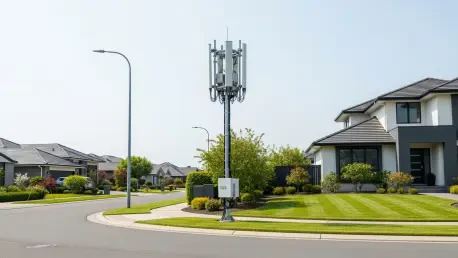
The immediate future for the wireless industry may be shaped less by new scientific findings and more by legal and logistical challenges. The prospect of increased litigation looms large, as Kennedy’s statements could encourage new lawsuits targeting wireless carriers and manufacturers. On a more granular level, the 5G rollout could face significant friction. Local community boards and municipal governments, already sensitive to constituent concerns, may become more resistant to approving new cell tower sites. While these obstacles may not halt the nationwide 5G expansion, they could introduce costly delays and complicate network densification efforts, particularly in residential areas where opposition is often strongest.
Navigating the “Cold War”: A Look at the Industry’s Resilience
Despite the renewed public relations battle, the wireless industry is unlikely to face an existential threat. The sector enjoys powerful and enduring support from the FCC, Congress, and the White House, all of which view robust 5G infrastructure as a national economic and strategic priority. Analyst Blair Levin predicts that while Kennedy’s campaign will create persistent PR challenges, courts and regulators will ultimately continue to side with the industry. He characterizes the situation as a “cold war”—a sustained, low-level conflict of public opinion and legal skirmishes that will not fundamentally alter the landscape for wireless companies. The industry’s strategy will likely focus on managing public perception and navigating localized opposition while relying on its strong federal backing.
The Enduring Debate in the Age of Ubiquitous Connectivity
The renewed controversy over 5G health risks underscores a persistent tension between technological innovation and public assurance. While the wireless industry and its regulators stand firm on existing safety standards, the voice of a high-ranking cabinet secretary has given new life to public skepticism. Though unlikely to derail the industry’s trajectory, this “cold war” serves as a critical reminder that in an age of total connectivity, the debate over safety is never truly over. Moving forward, the challenge for policymakers and industry leaders will be to address public concerns transparently while continuing to build the technological infrastructure of the future.