
In the critical moments of a city-wide emergency, the difference between chaos and control often hinges on a single, fragile thread: communication. When public networks buckle under the strain of a crisis, first responders can be left isolated. Recognizing this vulnerability, the city of Madrid is pioneering a solution that ensures its emergency teams remain connected, coordinated, and effective, no matter the circumstances.
When Seconds Count and Networks Fail
During a major incident, public communication networks are the first to become overwhelmed. A surge in calls, texts, and data usage from the general public can saturate the network, slowing speeds to a crawl or causing outright failures. For police, firefighters, and medical teams who rely on these same networks for critical communications, this congestion can be catastrophic, delaying response times and hindering coordination when every second is vital.
To address this challenge, Madrid has proactively moved beyond dependency on public infrastructure for its emergency services. The city initiated a project to establish a dedicated, resilient, and prioritized communication channel. This strategic decision acknowledges that mission-critical operations cannot be subject to the unpredictability of consumer network traffic, especially during a large-scale emergency.
The Strategic Alliance Forging a Safer Future
At the heart of this transformation is a strategic alliance between telecommunications provider Orange and technology leader Ericsson. By teaming up with Madrid’s municipal police, firefighters, and emergency medical services (SAMUR), this collaboration aims to build a next-generation communication platform tailored specifically for the rigorous demands of first responders.
The partnership’s core objective is to move beyond the limitations of shared public networks. Instead of competing for bandwidth with the general public, Madrid’s emergency services now have access to a private, high-performance channel. This dedicated infrastructure is engineered to guarantee low latency, high bandwidth, and unwavering reliability, ensuring that critical data and voice communications are always prioritized.
Unpacking the Technology Behind the Revolution
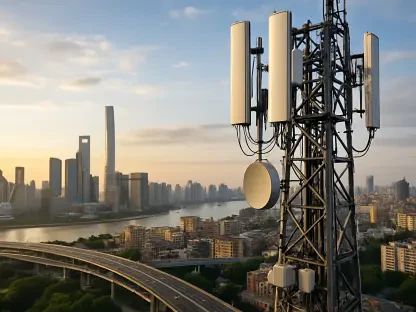
The technological cornerstone of this initiative is a dedicated 5G network slice on Orange’s Standalone network, powered by Ericsson’s Radio Access Network (RAN) and 5G Core. This “network slicing” creates a virtual private highway for emergency traffic, isolating it from public network congestion and guaranteeing performance. Ericsson’s advanced 5G Standalone Core and RAN provide the robust foundation necessary for this mission-critical service.
Resilience is built into the system’s DNA. The network is designed to function even during a catastrophe, featuring autonomous energy sources and redundancy that allow for off-grid operation if public infrastructure fails. A key fail-safe is the system’s ability to perform dynamic spectrum switching. If the public 5G network is compromised, it can automatically leap to a dedicated emergency spectrum, Band 68, ensuring uninterrupted connectivity.
These technological advancements are already empowering frontline responders with new tools. In one powerful case study, firefighters can stream high-definition, live video directly from helmet-mounted cameras to a command center. This capability provides unprecedented situational awareness, allowing commanders to assess risks in real time, make more informed decisions, and ultimately enhance the safety of both the public and the emergency crews.
Expert Perspectives The Vision Driving the Innovation
Leaders from the partner companies have underscored the project’s significance. Joaquín Colino of MasOrange emphasized that the initiative provides the secure and uninterrupted communications essential for emergency services. He noted that this guarantees the reliability required for mission-critical operations, positioning Madrid as a vanguard in European public safety innovation.
Echoing this sentiment, Somaya El Marrakchi of Ericsson highlighted how such collaborative efforts can fundamentally transform urban safety. This project serves as a powerful example of how industry partnerships can leverage technology to redefine the standards of emergency response, creating a safer and more resilient urban environment for all citizens.
Madrid’s Blueprint for the Future of Emergency Services
With this successful implementation, Madrid is not just upgrading its own capabilities; it is establishing a new European benchmark in public safety. The project showcases a forward-thinking approach to leveraging 5G technology to solve long-standing communication challenges faced by first responders globally.
The initiative was designed as a replicable model that could be adopted by other municipalities across Spain and beyond. This successful deployment in Madrid provided a clear blueprint for how to digitize emergency response effectively. By proving the tangible benefits of a dedicated 5G network, from enhanced situational awareness to guaranteed connectivity, the project paved the way for a new global standard in ensuring the safety and security of urban populations.