
Introduction
The promise of ultra-fast 5G connectivity, capable of powering smart agriculture and remote work, remains a distant dream for many Italians living beyond the bustling city centers, creating a significant digital divide. While urban areas enjoy next-generation speeds, rural communities risk being left behind in an increasingly connected world. This article addresses the pivotal question of how Italy can close this gap by exploring the strategic collaborations emerging among its major telecommunications operators. It will examine the key strategies, underlying challenges, and potential outcomes of these partnerships, offering readers a clear understanding of the path toward ubiquitous 5G coverage across the nation.
This frequently asked questions guide delves into the collaborative models being adopted to accelerate 5G deployment in underserved regions. Readers can expect to learn about the rationale behind infrastructure sharing, the mechanics of such agreements, and the regulatory hurdles that must be overcome. By breaking down this complex topic, the article provides a comprehensive overview of the cooperative efforts aimed at ensuring that all of Italy can participate in the digital future.
Key Questions or Key Topics Section
Why Are Telecom Operators Partnering for 5G
The immense cost of building a nationwide 5G network from the ground up presents a formidable economic challenge, particularly in areas with low population density. In rural and remote regions, the return on investment for deploying new infrastructure is significantly lower than in cities, making it difficult for a single operator to justify the expense. Consequently, this has led to slower rollouts and created a persistent connectivity gap between urban and rural Italy.
To overcome these financial barriers, Italian telecom operators are turning to strategic partnerships. By pooling resources and sharing the financial burden, companies can make the deployment of 5G in less profitable areas economically viable. This collaborative approach not only accelerates the expansion of network coverage but also frees up capital that can be reinvested into developing new services and technologies. This model reflects a growing consensus in the European telecom market that cooperation is essential for achieving comprehensive and equitable 5G access.
What Is the RAN Sharing Model
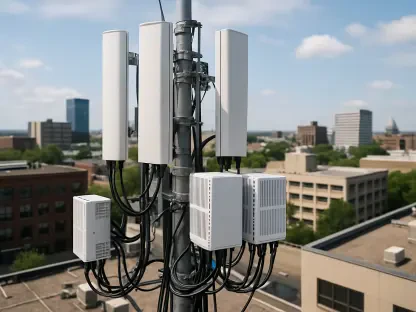
At the core of these partnerships is a strategy known as Radio Access Network (RAN) sharing. The RAN is the part of the mobile network that includes towers, antennas, and base stations—the physical infrastructure that connects user devices to the wider network. In a RAN sharing model, multiple operators use the same physical radio equipment, which dramatically reduces the need for each company to build its own duplicate set of towers and antennas in the same location.
This approach delivers several key benefits. Most importantly, it leads to significant cost savings in both capital expenditure and ongoing operational expenses. Moreover, it minimizes the environmental impact by reducing the number of cell towers needed to cover a given area. For consumers, this strategy translates into faster access to 5G services, as operators can cover more territory more quickly than they could by working alone.
How Will This Partnership Specifically Work
A prominent example of this strategy is the preliminary agreement between the newly merged entity Fastweb+Vodafone and its rival, TIM. This initiative is specifically designed to bring 5G to smaller municipalities with fewer than 35,000 inhabitants. Under their plan, the operators will share RAN infrastructure but maintain complete control over their own core networks and commercial offerings, ensuring they continue to compete on service quality and pricing.
To implement this efficiently, the country has been divided into two territories, with each operator taking responsibility for building and managing the shared network across 10 distinct regions. This division of labor prevents overlapping efforts and streamlines the rollout process. The goal is to establish a shared network of approximately 15,500 mobile sites for each operator by the end of 2028, significantly boosting 5G availability in Italy’s less populated areas.
What Hurdles Remain for This Initiative
While the strategic logic is sound, the path forward is not without its challenges. The advancement of the Fastweb+Vodafone and TIM partnership is contingent on securing approvals from several key Italian regulatory bodies. These include the Ministry of Enterprises and Made in Italy (MIMIT), the national Competition Authority (AGCM), and the Communications Authority (AGCom). These agencies will scrutinize the agreement to ensure it promotes fair competition and ultimately benefits consumers.
This regulatory oversight is crucial for balancing the benefits of infrastructure sharing with the need to maintain a competitive market. The final contract is anticipated to be signed by the second quarter of this year, pending these critical approvals. This process is not unique to this partnership; a similar joint venture between operators Iliad and WindTre, called Zefiro Net, also navigated regulatory review to share network costs in rural regions, setting a precedent for this type of collaboration in the Italian market.
Summary or Recap
The strategy of network sharing among major Italian telecommunications operators represents a pragmatic and effective solution to the challenge of rural 5G deployment. By adopting models like RAN sharing, companies such as Fastweb+Vodafone, TIM, Iliad, and WindTre are pooling resources to overcome the prohibitive costs associated with expanding next-generation infrastructure into less densely populated areas. This collaborative approach accelerates the availability of high-speed connectivity for all citizens.
These partnerships allow operators to maintain commercial and technological independence while sharing the financial burden of network construction. This model not only speeds up the 5G rollout but also promotes environmental sustainability by reducing the number of required cell sites. Ultimately, these initiatives highlight a fundamental shift in the industry toward cooperation as a means to achieve the shared national goal of bridging the digital divide.
Conclusion or Final Thoughts
The formation of strategic alliances among Italy’s telecom giants marked a pivotal moment in the nation’s journey toward digital equity. These agreements acknowledged that the traditional, competitive-only model was insufficient to connect the entire country effectively. The move toward shared infrastructure was not merely a business decision; it was a necessary evolution driven by economic realities and a commitment to ensuring that rural communities were not excluded from the opportunities of the digital age. This collaborative spirit has reshaped the landscape of telecommunications infrastructure in Italy for the better.