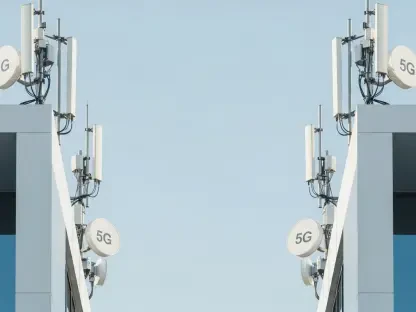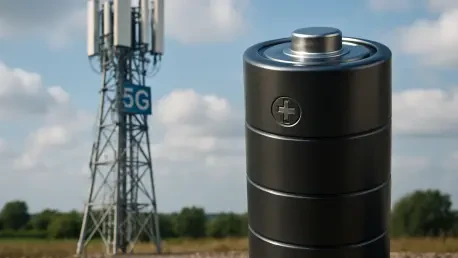

The silent sentinel of the digital age is not a server farm or a satellite but the unassuming battery, the critical component ensuring that global communication networks remain steadfast against the unpredictability of power grids. In an era defined by constant connectivity, these energy storage solutions have evolved from simple backup measures into the linchpin of network resilience, operational efficiency, and the successful rollout of next-generation technologies. As the world transitions to the power-hungry demands of 5G, the telecommunications battery market is undergoing a profound transformation. This analysis delves into the market’s projected growth, the catalysts driving its expansion, the pivotal technological shifts reshaping the industry, and the distinct regional dynamics that define demand and innovation. The central theme is the market’s journey from a supplementary component to a strategic asset, essential for maintaining the operational continuity of a world that never logs off.
The New Power Play Why Telecom Batteries are More Crucial Than Ever
A Market on the Move
The global telecom battery market is experiencing a period of vigorous and sustained expansion, with projections indicating a valuation of USD 12 billion by 2035, growing at a compound annual growth rate (CAGR) of 5.6% between 2026 and 2035. This growth is not a speculative trend but is deeply rooted in the fundamental re-architecting of global communication networks. The industry is moving beyond simply ensuring uptime during outages; it is now focused on optimizing energy consumption, reducing operational costs, and building a more sustainable and intelligent power infrastructure. This financial forecast reflects the increasing recognition of advanced batteries as a non-negotiable investment for telecommunication operators aiming to meet the escalating demands for speed, reliability, and coverage. As a result, the market’s expansion is a direct indicator of the escalating importance of uninterrupted power in an increasingly digital and data-dependent global economy.
The Primary Drivers of Demand
The primary catalyst propelling the market forward is the exponential increase in mobile data consumption, a trend with no signs of slowing. The global proliferation of smartphones, the rapid expansion of the Internet of Things (IoT), and the mainstream adoption of high-bandwidth services like video streaming and online gaming necessitate a denser and more robust telecom network. To satisfy this demand, operators are continuously deploying thousands of new macro and small cell sites, each requiring a dedicated and reliable backup power solution. The transition from 4G to 5G technology is a particularly potent accelerator in this dynamic. 5G base stations, with their higher data throughput and complex processing capabilities, consume significantly more power than their predecessors. This heightened energy requirement mandates the deployment of more powerful and efficient batteries, specifically those with the high energy density and rapid discharge rates needed to handle peak power loads and provide sufficient backup time.
Further amplifying this demand are critical infrastructure and regulatory pressures. In many developing regions across Africa, Asia, and Latin America, electrical grid infrastructure is often unstable or entirely absent in rural areas, making telecom towers heavily dependent on hybrid power systems. In these configurations, batteries are a cornerstone, working in tandem with diesel generators or, increasingly, with renewable sources like solar and wind to ensure continuous operation. Concurrently, a powerful global movement toward “green telecom” is compelling operators to minimize their reliance on fossil fuels to reduce both their carbon footprint and volatile operational expenses. This sustainability push directly fuels the demand for advanced batteries optimized for deep cycling and harsh environmental conditions. Finally, governments and regulatory bodies worldwide are imposing stricter mandates for network availability during emergencies, legally requiring minimum backup power durations to keep critical communication lines operational during natural disasters or widespread power failures.
The Technological Revolution Inside the Battery Box
The Great Switch From Lead-Acid to Lithium-ion
The most significant technological paradigm shift within the telecom battery sector is the industry-wide migration from traditional Valve Regulated Lead-Acid (VRLA) batteries to modern Lithium-ion (Li-ion) chemistries. For decades, VRLA batteries served as the industry standard, favored for their low upfront cost and established reliability. However, their inherent limitations—including a shorter lifespan, lower energy density, and considerable weight and size—have become increasingly problematic in the modern network environment. Li-ion batteries present a compelling and superior alternative, offering a significantly longer cycle life, which reduces the frequency of costly replacements. Their higher energy density allows them to provide more power in a smaller and lighter package, a crucial advantage for urban installations on rooftops or in compact enclosures where space and weight-bearing capacity are severely restricted. This transition is a central theme impacting everything from installation logistics to the total cost of ownership.
The Rise of the Smart Battery
Modern telecom batteries are rapidly evolving from passive power reservoirs into active, intelligent, and data-generating assets that play a proactive role in network management. The integration of sophisticated Battery Management Systems (BMS) is at the heart of this transformation, allowing network operators to remotely monitor a wealth of key performance indicators in real time, including state-of-charge, state-of-health, and internal temperature. This continuous stream of data enables a shift from reactive to predictive maintenance. Instead of responding to unexpected failures, operators can now anticipate potential issues and schedule maintenance proactively, a strategy that significantly reduces operational expenditures by minimizing unexpected downtime and the need for costly emergency technician dispatches, often referred to as “truck rolls.” This “smart battery” trend is crucial for optimizing network performance, extending asset life, and lowering the total cost of ownership over the battery’s lifecycle.
Pushing the Envelope Future Chemistries and Innovations
While the transition to Li-ion is the dominant trend, the industry’s research and development efforts are already pushing toward the next generation of energy storage. Alternative chemistries, most notably Sodium-ion, are gaining considerable traction as a potential future competitor to lithium. Sodium-ion technology is viewed favorably for its potential advantages in safety and, more critically, its reliance on raw materials that are far more abundant and geographically dispersed than lithium, which could lead to more stable and lower long-term costs. Furthermore, significant innovations in thermal management technologies are enhancing the operational resilience of current battery systems. These advancements allow batteries to function efficiently across a wider range of extreme temperatures, from freezing cold to scorching heat, without requiring expensive and energy-intensive external climate control systems. This is particularly valuable for remote, off-grid sites where environmental conditions are harsh and power for auxiliary systems is limited.
A Global Grid with Local Needs
Mapping the Market Dynamics
The global telecom battery market, while universally expanding, exhibits diverse characteristics shaped by regional infrastructure maturity, economic development, and environmental conditions. In mature markets like North America and Europe, where 5G penetration is high, the primary focus is on upgrading and replacing legacy VRLA infrastructure with high-efficiency Li-ion systems. This transition is driven not only by the technical demands of 5G but also by a strong emphasis on sustainability and the integration of battery storage with smart grid technologies to enhance overall energy management and reduce carbon footprints. These regions are prioritizing investments in intelligent power solutions that offer lower operational costs and greater grid resilience, reflecting a sophisticated approach to network modernization where energy efficiency is as important as connectivity speed. The demand here is less about new site builds and more about strategic, high-performance replacements.
In stark contrast, the Asia-Pacific region stands as the fastest-growing market globally, propelled by massive greenfield investments in telecommunications infrastructure. Nations like China, India, and Vietnam are engaged in ambitious 5G rollouts on an unprecedented scale. China is a global leader in 5G base station deployments, creating enormous and sustained domestic demand for advanced batteries. In India, government initiatives aimed at achieving digital inclusion are driving the installation of thousands of new off-grid towers in rural areas, where batteries often serve as the primary power source in conjunction with renewables. The Middle East and Africa present another distinct market profile, defined by the need for ruggedized solutions capable of withstanding extreme environmental challenges. Unreliable power grids combined with harsh conditions, including intense heat and dust, necessitate batteries that are exceptionally durable and temperature-resistant. Meanwhile, steady growth in Latin America is fueled by the expansion of mobile broadband services to support a burgeoning middle class and increasing economic activity, creating consistent demand for reliable backup power solutions.
A New Era of Power Resilience
The global telecom battery market’s robust growth trajectory was firmly established, driven by the world’s unrelenting demand for faster and more reliable connectivity. The rollout of power-intensive 5G networks, combined with the pressing need for resilient power in regions with underdeveloped grid infrastructure, had secured sustained demand for the foreseeable future. The technological pivot from lead-acid to smarter, more efficient lithium-ion systems fundamentally revolutionized the operational and economic models for telecom operators, paving the way for a lower total cost of ownership and unprecedented network reliability. As the industry looked ahead, the further integration of artificial intelligence for predictive power management and the continued decline in lithium cell costs solidified the battery’s role as an indispensable strategic asset. It had become the ultimate insurance policy for an always-on digital world, ensuring that the lines of communication remained open, no matter the circumstances.