
A torrent of capital, unprecedented in scale and ambition, is fundamentally reshaping the technological landscape of the Asia-Pacific region, forging a new global nexus for the digital age. This monumental investment wave is not merely about constructing buildings to house servers; it is about laying the foundational infrastructure for the next generation of artificial intelligence, connectivity, and digital sovereignty. The sheer velocity and magnitude of this development raise a pivotal question that hangs over the entire global technology sector.
With an Estimated $800 Billion Pouring into the Region Is Asia Building the Future of Global Technology or the World’s Next Great Bubble
The digital transformation across Asia is being underwritten by a staggering financial commitment. Projections indicate that the region is on a trajectory to more than double its data center capacity by 2030, a build-out fueled by an estimated $800 billion in investments. This ambitious expansion is poised to position Asia as the custodian of an incredible 40% of the world’s total data center capacity within the next decade. The industry is witnessing a gold rush of historic proportions, with the central tension being whether this rapid, AI-focused infrastructure boom represents a sustainable foundation for future innovation or the early stages of a speculative bubble, where supply could dramatically outpace tangible demand.
The Perfect Storm Understanding the Forces Fueling the Surge
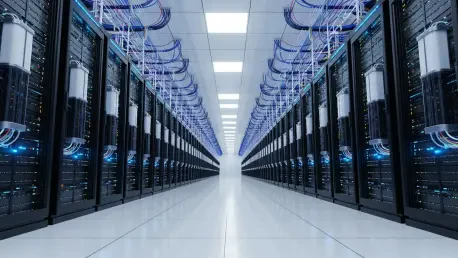
At the heart of this surge is the insatiable demand for artificial intelligence. The global pivot toward AI has created an urgent need for a new class of “AI-ready” facilities, specifically engineered to handle the immense power and cooling requirements of high-density computing workloads. Traditional data centers are ill-equipped for this task, compelling investors and developers to pour capital into specialized infrastructure capable of supporting the massive GPU clusters that power modern AI models. This technological imperative is the primary engine driving new construction across the continent.
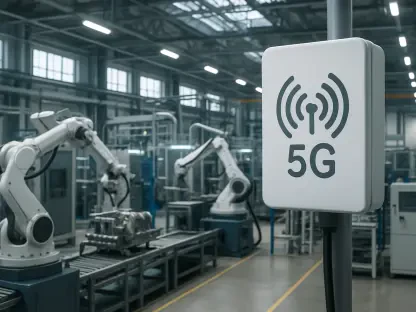
Amplifying this demand is the widespread adoption of 5G networks. As next-generation connectivity becomes the standard, data consumption is escalating, creating a need for more localized data processing. This trend is fueling the growth of edge computing infrastructure, which requires a distributed network of smaller data centers closer to end-users to reduce latency and manage the massive data flows from IoT devices, smart cities, and enhanced mobile broadband. Consequently, the 5G rollout acts as a powerful multiplier, increasing the overall need for data storage and processing capacity throughout the region.
A third, equally potent driver is the rise of data sovereignty regulations. A growing number of Asian governments are enacting laws that mandate the in-country storage of citizen and corporate data. These regulations are compelling global technology giants and cloud service providers, who previously served the region from distant hubs, to establish a significant physical presence within these national borders. This regulatory pressure effectively forces the construction of local data centers, ensuring that investment flows directly into these markets to comply with legal frameworks.
Mapping the Boom From Financial Scale to New Geographic Frontiers
The financial scale of this boom is immense. According to forecasts from credit rating firm Moody’s, the data center capacity in the Asia-Pacific region is on track to reach approximately 30 gigawatts by the end of the decade. The immediate momentum is already palpable. A report from the law firm White & Case highlighted that $15.2 billion had been raised for new data center projects through 21 separate transactions by the middle of 2025 alone. This influx of capital is supported by an increasingly sophisticated financial ecosystem, with investment solutions evolving to accommodate everything from greenfield development to complex portfolio financing for massive hyperscale facilities.
This investment is not uniformly distributed but is flowing into a distinct two-tiered landscape. Established hubs like Japan, South Korea, Singapore, and Hong Kong continue to attract substantial capital, reinforcing their strategic importance as the cornerstones of the region’s digital infrastructure. These mature markets offer stability, robust connectivity, and a skilled workforce, making them reliable anchors for continued investment.
However, the most dynamic and “explosive growth” is occurring in emerging Southeast Asian markets. Nations such as Thailand, Indonesia, Malaysia, the Philippines, and Vietnam have become the new frontier for data center development. Driven by rapidly expanding digital economies, growing populations of internet users, and strategic government support, this region is the epicenter of the current expansion. Investors are flocking to these markets to capitalize on the burgeoning demand and establish a foothold in what are expected to be the key growth engines of the coming decade.
The AIDC Playbook A Case Study in Corporate Strategy
Emblematic of the strategic shifts occurring within the industry is the transformation of South Korea’s SK Telecom. The company is actively moving beyond its legacy as a traditional telecommunications provider to reposition itself as a comprehensive “AI Data Center (AIDC) developer.” Under this new vision, SK Telecom aims to manage the entire lifecycle of data center projects, from initial design and construction to long-term operations and management, directly aligning its business model with the core driver of the current market boom.
This strategy is being put into action with the company’s planned AIDC in Vietnam, a move that signals a significant expansion into the high-growth Southeast Asian market. This project serves as a blueprint for a new generation of data centers designed for both performance and sustainability. Recognizing the critical challenge of securing a reliable power supply, the facility’s innovative design incorporates its own self-contained liquefied natural gas (LNG) power plant. This not only ensures operational stability but also includes a creative cooling solution that utilizes the cold energy generated during the LNG regasification process, enhancing energy efficiency and reducing the facility’s environmental footprint.
Navigating the Gold Rush Balancing Optimism with the Risk of an AI Glut
Despite the profound optimism, a note of caution is echoing through the industry. A significant concern is the potential for an impending “AI data center glut.” The frantic pace of construction, which began accelerating in 2023, has raised fears that the supply of specialized data centers and GPU clusters could soon outstrip the near-term, real-world demand for AI workloads. If the adoption of AI-driven services and applications by enterprises lags behind this speculative build-out, the market could face a period of significant imbalance.
This potential mismatch between supply and demand carries the risk of a market correction. Such a scenario could lead to widespread consolidation as smaller or less efficient operators are acquired, a repricing of data center services as providers compete for tenants, and a significant amount of excess capacity sitting idle. The long-term outlook remains positive, with the belief that today’s oversupply could fuel tomorrow’s innovation. However, the short-term path may be turbulent.
To ensure sustainable growth and navigate this gold rush successfully, stakeholders must meticulously manage several critical challenges. Securing stable and sufficient power remains a primary constraint in many markets. Furthermore, adapting to the inherent variability of AI workload demand requires flexible and scalable infrastructure. Finally, navigating the complex and rapidly evolving financial and regulatory landscapes across diverse Asian markets demands both strategic foresight and innovative risk management to safeguard the colossal investments being made.
The year 2025 was a landmark period in which the Asia-Pacific region decisively cemented its position as the global hub for data center investment. The confluence of AI’s transformative power, 5G’s infrastructural demands, and the legal mandates of data sovereignty created a powerful catalyst for unprecedented growth. The massive influx of capital began laying the physical foundation for the next technological era. Yet, this rapid development also introduced significant short-term risks, from power constraints to the specter of oversupply. The industry’s ability to manage these challenges determined whether this boom would forge a sustainable future or become a cautionary tale of speculative excess.