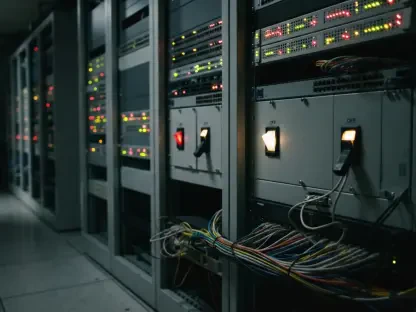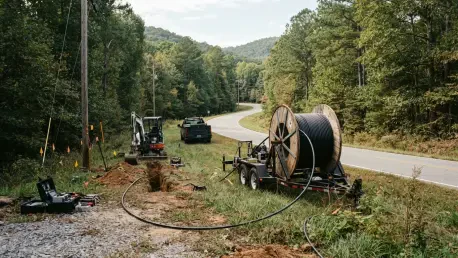

By burying fiber-optic cables underground, AccessOn Internet is building a resilient network designed to withstand the severe weather patterns common in Warren and Halifax Counties. This Tuesday, October 6, marked a significant milestone for regional connectivity as officials hosted a ribbon-cutting ceremony for the Essex Central Fiber Hub, signaling the official start of a transformative $17.5 million infrastructure project. Funded primarily through the United States Department of Agriculture (USDA) Rural Development ReConnect program, this initiative is specifically designed to bring high-speed fiber-optic internet to more than 2,500 residential and business addresses located in the rural stretches of southeastern Warren and southwestern Halifax Counties. This strategic move addresses a long-standing grievance in these communities, where low population density and challenging geography have historically made traditional broadband deployment economically unfeasible for major corporations, finally bridging the digital divide for thousands of North Carolinians.
Strengthening Rural Infrastructure and Technical Resilience
The technical strategy of this expansive project focuses on the implementation of a fully underground fiber-optic network, a method that prioritizes long-term durability over simple ease of installation. By placing the vital infrastructure beneath the earth, AccessOn Internet ensures that the community is shielded from the frequent disruptions caused by ice storms, high winds, and falling trees that often plague aerial lines in North Carolina. This approach targets the “last mile” of connectivity, which represents the final and most expensive leg of an internet service provider’s network that reaches the end-user’s premises. While urban centers have long enjoyed such stability, rural residents have frequently been left with intermittent or non-existent service. The transition to underground fiber represents a shift toward treating internet access as a reliable utility rather than a luxury, ensuring that the geographic isolation of these two counties no longer equates to technological isolation.
Robert Hosford, the director of State Operations for USDA Rural Development, highlighted that reaching these underserved areas is the central mission of the agency during the ground-breaking event. He drew a compelling historical parallel between the current broadband push and the rural electrification efforts that transformed the United States during the early 20th century. Just as the government once stepped in to install power poles and telephone lines for previous generations, the USDA is now prioritizing fiber-optic cables as the essential infrastructure for modern life. This massive investment ensures that the fundamental tools of the 21st century are available to everyone, regardless of their specific zip code or the density of their neighborhood. By providing a stable and reliable connection where it was previously non-existent, the project creates a level of technological consistency that matches what is found in the nation’s largest metropolitan centers while ensuring future growth for the local region.
Collaborative Leadership and Economic Advancement
The ceremony was characterized by a high degree of collaboration among federal, state, tribal, and local leaders, all of whom recognize the project as a vital catalyst for regional economic development. U.S. Congressman Don Davis, representing North Carolina’s 1st Congressional District, underscored the federal government’s commitment to putting the American dream back in reach for rural families. He emphasized that the $17.5 million investment is not merely a financial transaction but a necessary step to support the real-world applications of modern agriculture and small business. As the agricultural industry becomes increasingly data-driven, high-speed access is no longer a luxury for farmers but a necessity for survival in the global market. The ability to monitor crop yields in real-time or access international supply chain data depends entirely on the high-bandwidth capabilities that this fiber network will finally provide to the southeastern corner of the state.
North Carolina Department of Administration Secretary Gabriel Esparza pointed out a common oversight in national technology discussions, noting that while many policy conversations focus on emerging technologies like AI, large portions of the population still lack basic digital access. This project aims to level that playing field, ensuring that the fundamental infrastructure required for participation in the global digital economy is accessible to all North Carolinians. This diverse coalition of leaders gathered for the ribbon-cutting emphasized that this investment is a vital catalyst for regional growth that will span from 2026 to 2030 and beyond. By focusing on essential infrastructure rather than just high-level tech trends, the initiative ensures that rural communities can compete effectively. The collaboration between the state and federal government highlights a shared vision where geography does not dictate a citizen’s ability to participate in modern commerce.
Tribal Partnership and Long-Term Social Impact
A significant aspect of the Essex Fiber Hub project is its deep integration with the Haliwa-Saponi Indian Tribe, reflecting a commitment to tribal inclusion and cultural respect. The ceremony opened with a blessing of the grounds by Dr. Marvin Richardson in the Haliwa-Saponi native language, signaling a respectful partnership between the utility provider and the indigenous community. Tribal leaders have praised the initiative as a premier model of how federal, local, and tribal entities can work together to ensure that no community is left behind in the digital age. This collaboration ensures that the historical residents of the land are central participants in its technological modernization. Beyond commerce, the expansion addresses critical social needs, particularly in education and telehealth services. Inspired by local stories of students struggling to finish schoolwork without home internet, the project team designed the network to support remote learning.
The establishment of the Essex Central Fiber Hub served as a definitive turning point for the technological landscape of North Carolina. By prioritizing underground infrastructure and tribal cooperation, the project creators moved beyond simple connectivity to build a foundation for long-term community resilience. Stakeholders focused on providing actionable solutions for the digital divide, ensuring that residents gained the ability to participate fully in the modern economy. Future considerations centered on maintaining this infrastructure and expanding the model to other underserved regions across the state. The project proved that targeted federal funding, when combined with local advocacy, successfully bypassed the traditional barriers to rural broadband deployment. As construction progressed toward its scheduled finish in 2027, the local office began operations to provide immediate technical support to subscribers. This initiative left the region better equipped for the challenges of the digital age.