
Walking through the sprawling halls of the Mobile World Congress in Barcelona, one might get the impression that the sixth generation of mobile connectivity is already pulsating through our devices, yet the technical reality remains far more nuanced. While the marketing displays project a world of holographic communication and instantaneous data, the engineers behind the scenes are currently navigating the dense complexities of the “Study Phase.” This critical period represents the transition from conceptual dreaming to the rigorous labor of defining what 6G actually needs to be.
Beyond the Hype: The Real Timeline for the Next Connectivity Frontier
The industry is currently operating within the 3GPP Release 20 framework, a stage where 6G is less a set of established rules and more a collection of ambitious requirements. This distinction is vital for understanding why the flashing lights of 2026 do not equate to immediate deployment. Instead, the global telecommunications community is sifting through a mountain of technological choices, debating which innovations are truly transformative and which are merely iterative.
Patience has become a strategic necessity as the official specification window stretches toward 2029 and early 2030. Rushing this process would result in a fragmented global standard, hindering the very interoperability that makes modern mobile networks functional across borders. For global operators, this timeline provides a much-needed breathing room to align their long-term capital investments with the eventual arrival of standardized 6G hardware.
Lessons from 5G and the Risk of Premature Pivot
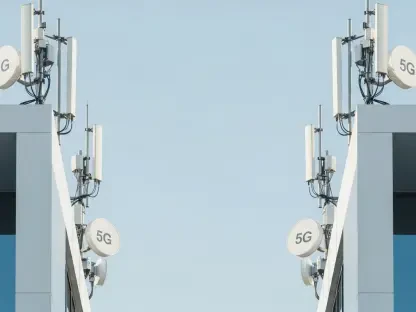
Reflecting on the previous decade, the industry remains wary of the “launch first, engineer later” approach that complicated early 5G rollouts. Many European operators are still in the process of deploying 5G Standalone (SA) infrastructure, which is the necessary foundation for advanced features like network slicing and ultra-low latency. Pivoting too quickly toward 6G before these existing investments are fully monetized could destabilize the financial health of the sector.
The risk of hesitation is equally high, as a sudden pause in 5G investment in anticipation of the next decade’s technology would be catastrophic. If the digital ecosystem stops evolving today, the bridge to 6G will never be built. Experts suggest that the most successful players will be those who treat 5G as a long runway, ensuring that the current infrastructure is pushed to its absolute limit before the next generation takes flight.
Building a Programmable Future: AI and Satellite Synergy
A fundamental shift is occurring in how networks are conceived, moving from “AI-added” features to an “AI-native” architecture. In this new paradigm, the network is designed to think, heal, and adapt in real-time without human intervention. This requires a level of programmability never seen before, where telemetry and standardized interfaces allow the system to host AI tools that haven’t even been invented yet.
Furthermore, 6G is breaking the traditional boundaries of terrestrial connectivity by integrating satellite technology as a foundation rather than a secondary “bolt-on.” This non-terrestrial network (NTN) integration ensures that the space-to-ground architecture is unified from day one. By blending broadband capacity with mission-critical satellite services, 6G aims to eliminate dead zones and provide a consistent experience whether a user is in a dense urban center or the middle of the ocean.
Expert Perspectives on Trust and Global Interoperability
The European Telecommunications Standards Institute (ETSI) is currently playing a vital role in bridging the gap between the rapid, chaotic evolution of AI and the slow, deliberate pace of telecom standards. Because AI models change in months while standards take years, the focus has shifted toward creating a flexible “Trust Framework.” This framework prioritizes cybersecurity and verifiable data integrity, ensuring that as AI takes over network management, it remains secure and predictable.
Simultaneously, a complex game of geopolitical and industrial “jockeying for position” is unfolding. Major industry players are fighting to have their specific technologies included in the early specifications, knowing these decisions will define the digital landscape of the 2040s. Establishing these rules early is not just about technology; it is about ensuring that a device purchased in one corner of the world will work seamlessly in another, maintaining the global scale necessary for economic success.
Navigating the Transition: Strategies for a Long-Term Evolution
The transition to the next generation of connectivity was recognized as a continuous evolution rather than a single “Big Bang” event. Organizations focused on a strategy of incremental upgrades, ensuring that 5G Standalone networks were fully utilized to provide the technical groundwork for what followed. This approach allowed the industry to test advanced capabilities in real-world environments before the formal 6G era began.
Forward-thinking leaders integrated non-terrestrial capabilities early, recognizing that a seamless blend of satellite and ground services was the only way to meet future demands. By adopting a “Continuous Release” mindset, the telecommunications sector successfully avoided the pitfalls of previous cycles. Stakeholders prioritized the development of flexible, programmable interfaces that allowed for the rapid adoption of new AI tools, ensuring that the digital infrastructure remained resilient and relevant well into the mid-century.