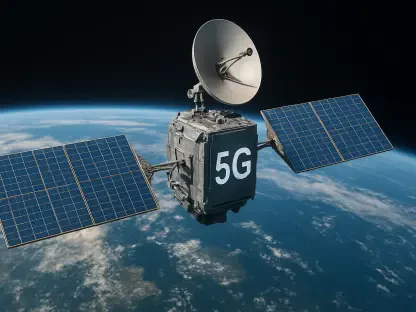

Shifting BeiDou augmentation data from the user plane to the 5G control plane allows for efficient point-to-multipoint broadcasting across massive device networks. This technological pivot addresses a fundamental bottleneck in high-precision positioning, where the sheer volume of users previously

Modern wireless sensor networks function as a digital nervous system, yet their decentralized nature makes them the primary target for sophisticated signal jamming and data theft. These networks, composed of thousands of tiny, battery-powered nodes, now underpin critical infrastructure ranging from

Industrial controllers designed decades ago for mechanical longevity lack modern security features like multi-factor authentication or communication encryption. This reality has prompted the National Security Agency to issue an urgent mandate for the defense industrial base and critical
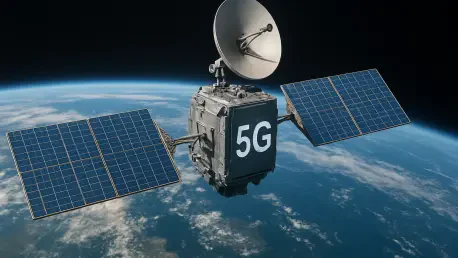
The global telecommunications landscape in 2026 has reached a pivotal juncture where the orbit of satellites is no longer the primary constraint for universal 5G coverage. While the aerospace industry has successfully deployed massive constellations of Low Earth Orbit (LEO) satellites, the burden

The global market for Internet of Things technology in retail is projected to climb from $39.91 billion in 2025 to a staggering $138.39 billion by the end of 2030. This monumental shift reflects a deeper movement where physical brick-and-mortar locations are no longer isolated from the digital

The physical growth of materials during heating often causes signal distortion, necessitating the development of ceramics where thermal expansion is perfectly compensated. As telecommunications infrastructure pivots toward the higher frequencies required for 6G, the demand for precision in
1 2 3 4 5 6 7 8 9 10 11 12 13 14 15 16 17 18 19 20 21 22 23 24 25 26 27 28 29 30 31 32 33 34 35 36 37 38 39 40 41 42 43 44 45 46 47 48 49 50 51 52 53 54 55 56 57 58 59 60 61 62 63 64 65 66 67 68 69 70 71